
loading...
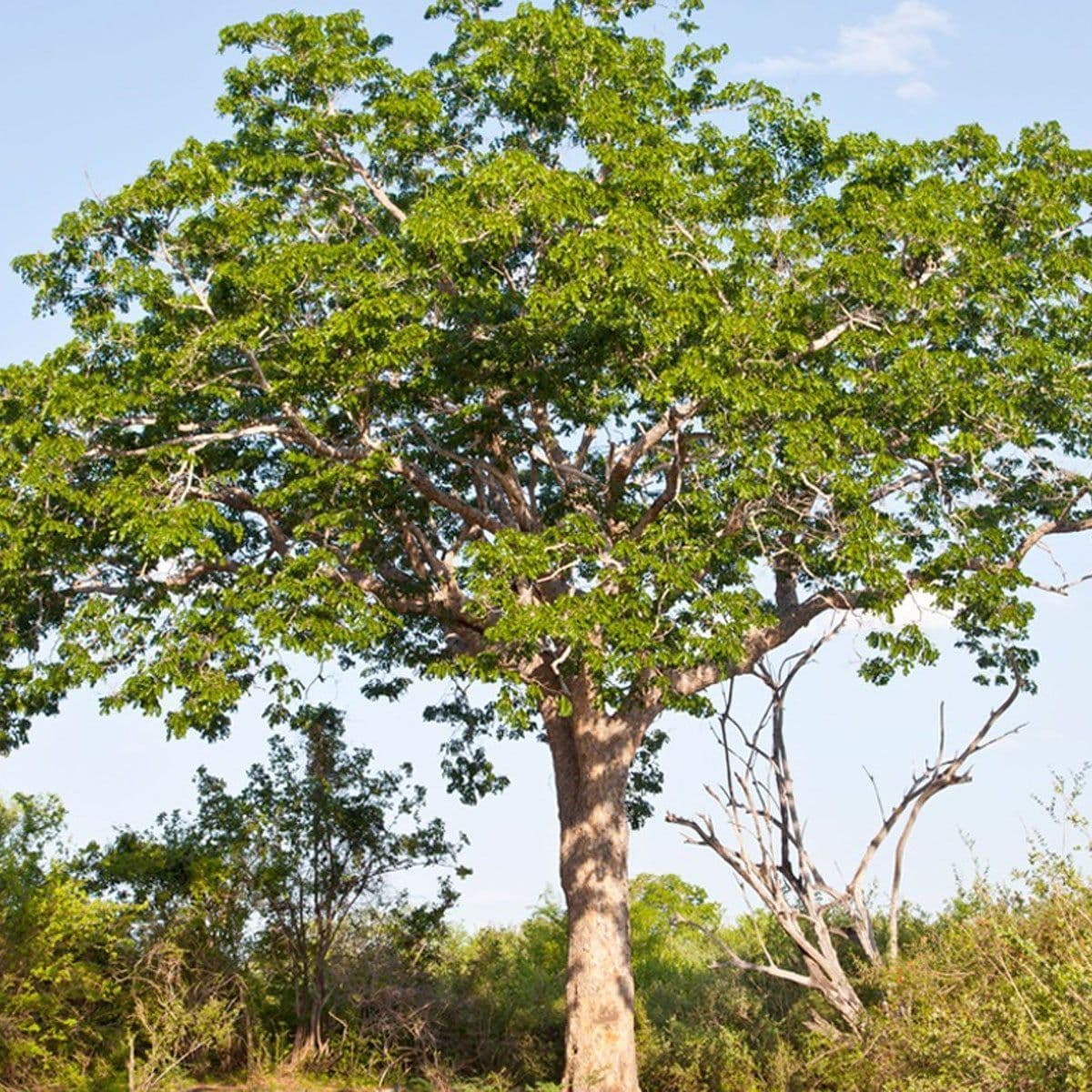


Mahogany is a large hardwood tree that is native to tropical regions. It is known for its straight, fine, and even grain, and is often used for making furniture and musical instruments.
Summary
The Mahogany tree is a large, deciduous tree that is native to tropical regions in the Americas. Its scientific name is Swietenia mahagoni, and it belongs to the Meliaceae family. The Mahogany tree is known for its beautiful, straight-grained, red-brown timber, which is highly sought after for high-quality furniture, cabinetry, boat building, and other woodworking projects.
Mahogany trees can reach a height of about 30 to 45 meters, with a diameter of about 1.2 meters. They have large, hand-shaped leaves that are arranged in an alternate pattern. These leaves can reach a length of about 20 centimeters. The bark of the Mahogany tree is rough and dark brown, while its wood is reddish-brown and becomes darker with age. The tree also bears small, fragrant flowers in loose clusters.
Mahogany trees have a growth rate of medium to fast, depending on the growing conditions. They prefer well-drained soils and a sunny location. They are also tolerant of drought, salt, and wind, making them suitable for coastal areas. However, they are not frost-tolerant and cannot survive in cold climates.
The Mahogany tree has a lifespan of approximately 350 to 400 years. However, due to over-harvesting and habitat loss, many populations of Mahogany trees are threatened. There are laws and regulations in place in many countries to protect these trees and promote sustainable harvesting practices.
The wood of the Mahogany tree is highly valued for its beauty, durability, and resistance to termites and decay. It is easy to work with and finishes well, making it a favorite choice for craftsmen and woodworkers. In addition to its use in furniture and cabinetry, Mahogany wood is also used in musical instruments, such as guitars and pianos, because of its ability to produce a very warm, rich sound.
Beyond its timber, the Mahogany tree also has other uses. The tree's bark has been used in traditional medicine for its astringent and antiseptic properties. The seeds are often used to make necklaces and other jewelry, while the leaves are used in some cultures for wrapping food. The tree is also planted for shade and as an ornamental tree because of its attractive foliage and fragrant flowers.
The Mahogany tree plays an important role in its ecosystem. It provides habitat and food for various species of birds and mammals. It also contributes to soil fertility and helps in erosion control. The tree is known to have a positive impact on the carbon cycle, as it absorbs carbon dioxide and releases oxygen.
There are three species of Mahogany tree: Swietenia mahagoni (West Indian mahogany), Swietenia macrophylla (Honduran mahogany or big-leaf mahogany), and Swietenia humilis (Pacific Coast mahogany). Each species has its own unique characteristics but all are prized for their high-quality wood. The Honduran mahogany is the most widely distributed species and is known for producing the largest and most commercially valuable trees.
Despite the value of the Mahogany tree, it faces several threats. Illegal logging is a major issue, as the demand for Mahogany wood often leads to over-harvesting. Habitat loss is another significant threat, as tropical forests are being cleared for agriculture and other developments.
Efforts are being made to protect and conserve the Mahogany tree. These include the establishment of protected areas, the promotion of sustainable forestry practices, and the implementation of laws and regulations to control the trade of Mahogany wood. In some countries, the planting of Mahogany trees is encouraged as part of reforestation programs.
In conclusion, the Mahogany tree is a remarkable species that provides many benefits. Its beautiful, high-quality wood has made it a favorite choice for furniture and other woodworking projects. Despite the threats it faces, efforts are being made to ensure the survival of this valuable tree for future generations.
Human Use and Interaction
The Mahogany tree, scientifically known as Swietenia macrophylla, is a large, strong tree that is native to the tropical regions of the Americas. It is renowned for its beautiful, straight-grained, reddish-brown timber that is resistant to insects, decay, and water damage. This tree not only plays a significant role in the ecosystem but also has various uses in human life.
Mahogany timber is highly treasured and is often referred to as the diamond of tropical hardwoods. This is largely due to its durability, beauty, and workability. As a result, it has been heavily used in high-end applications such as furniture, flooring, and paneling. Its popularity in furniture making is not new. It dates back to the 18th century during the period of Colonialism when Europeans began importing mahogany for the creation of high-quality furniture. The beauty and durability of mahogany have made it the wood of choice for creating fine furniture and cabinets. Its rich, dark color gives it an elegant look that complements a wide range of interior designs.
In the construction industry, mahogany is often used to make doors, windows, and moldings due to its resistance to rot and termites. It is also used in marine construction. Because mahogany is resistant to water damage, it is an ideal material for making boats, canoes, and other water vessels. The use of mahogany in boat construction dates back to the Mayans, who used it to build their canoes.
Mahogany has also been widely used in the music industry. The wood is particularly popular in the creation of stringed instruments, such as guitars and violins. Its acoustic properties are highly valued, and it is credited for its unique, warm sound. The wood’s resonant qualities enable it to produce a wide range of tones, from deep bass notes to crisp highs. The durability of mahogany also ensures that the instruments can withstand the rigors of regular use and still maintain their sound quality.
Aside from its timber, the mahogany tree also has other uses. The bark of the mahogany tree has been traditionally used for its medicinal properties. It has been used to treat conditions such as fever, diarrhea, and malaria. The bark is usually boiled to make a decoction, which is then consumed. The seeds of the mahogany tree are also edible and are often roasted and eaten in some cultures. The tree’s leaves are used to feed livestock in certain parts of the world.
Despite the numerous benefits of the mahogany tree, its popularity has led to overharvesting, particularly in the 20th century. This has resulted in the depletion of mahogany forests, posing a serious threat to the tree’s survival. As a result, international trade in mahogany is now regulated under the Convention on International Trade in Endangered Species of Wild Fauna and Flora (CITES). Several countries have also put in place measures to ensure the sustainable use of mahogany. These include reforestation programs and the promotion of sustainable logging practices.
In conclusion, the mahogany tree has been a great asset to human life throughout history. Its various uses, from furniture making and construction to medicinal applications and food, have made it a crucial part of human civilization. However, the overexploitation of the tree is a significant concern that needs to be addressed to ensure its survival for future generations. Efforts towards sustainable use and conservation of the mahogany tree are therefore critical.
Cultural and Symbolic Significance
The mahogany tree, scientifically known as Swietenia macrophylla, is a type of tropical hardwood species native to Southern Florida, the Caribbean, Central and South America. Mahogany trees are known for their straight, strong, and heavy timber that has a rich, warm, reddish-brown color. This tree species holds significant cultural and symbolic significance in many societies around the world.
In the Caribbean, the mahogany tree is considered a national symbol in Belize where it is revered for its economic contribution. The tree's timber is Belize's national tree and is featured prominently on their national emblem. The mahogany tree was the main export of Belize during the 18th and 19th centuries, driving its economy. The tree symbolizes the strength and resilience of the Belizean people, reflecting their history of endurance, survival, and growth despite adversities.
In traditional African cultures, the mahogany tree is revered for its spiritual significance. It is believed that the spirits of ancestors reside in these trees, providing protection and guidance for the living. It is customary in some cultures to perform rituals and ceremonies under the tree, asking for blessings and favor from the ancestors. The tree is also used in traditional medicine, where the bark, leaves, and roots are used to treat various ailments.
In Native American symbolism, the mahogany tree is associated with the earth element and is believed to ground energy and foster stability. The tree is often used in rituals to promote clarity, balance, and abundance. The Native Americans also valued the mahogany tree for its healing properties. They used the bark to treat wounds and infections, and the leaves were used to make teas for various health issues.
In modern Western culture, mahogany is symbolic of sophistication, value, and high-quality. This is largely due to its use in high-end furniture, musical instruments, and luxury items. The rich color and unique grain of the wood are associated with elegance and luxury. In the realm of Feng Shui, mahogany is believed to stimulate growth, promote healing, and enhance life energy.
The mahogany tree holds further symbolic importance in literature and art. It is often used as a symbol of strength, growth, and beauty. In many works of literature, the mahogany tree is used as a metaphor for characters that exhibit strength, resilience, and an unwavering spirit. In art, the tree is often depicted as a symbol of nature's bounty and beauty.
Despite its cultural and symbolic significance, the mahogany tree is threatened by over-exploitation and habitat loss due to deforestation. It is now listed as a vulnerable species by the International Union for Conservation of Nature (IUCN). The loss of mahogany trees not only affects the ecosystems in which they thrive but also impacts the cultural traditions and symbolic meanings associated with them.
Efforts are now being made worldwide to conserve the mahogany tree. In several countries, it is illegal to cut down mahogany trees without a special permit. Sustainable forestry practices are being encouraged, and reforestation programs are being implemented to restore the mahogany tree population.
In conclusion, the mahogany tree is more than just a source of valuable timber. It is deeply intertwined with the histories, cultures, and traditions of many societies. Its symbolic meanings span from strength and resilience to luxury and elegance. The mahogany tree stands as a testament to the enduring connection between humans and nature, and the importance of preserving this connection for future generations.
Aesthetic and Experiential
The Mahogany tree, a majestic specimen of nature, stands tall and proud, symbolizing strength, endurance, and longevity. With its lush, dense foliage and towering presence, it is a sight to behold, providing a unique aesthetic appeal that is unparalleled. The tree's rich, reddish-brown wood is a testament to its grandeur, bringing a sense of warmth and sophistication to any space it graces.
From a distance, the Mahogany tree is a striking silhouette against the sky, its massive trunk and broad, spreading branches forming an imposing figure. Up close, the intricate patterns and textures of its bark, leaves, and wood are a marvel of natural design. The tree's deep, vibrant hue is a striking contrast to the soft, subtle tones of its surroundings, making it a focal point in any landscape.
The aesthetic appeal of the Mahogany tree is not limited to its physical appearance. Its rich, earthy scent is a sensory delight, evoking images of untouched wilderness and serene forest landscapes. The rustle of its leaves in the wind is a soothing sound, providing a calming backdrop to the hustle and bustle of everyday life. The tree's towering presence provides a sense of comfort and protection, its sturdy branches offering shelter and its deep roots symbolizing stability and permanence.
The Mahogany tree is not just a feast for the eyes, but also for the touch. Its smooth, polished wood is a tactile pleasure, its warmth and solidity a comforting presence. The rough, rugged texture of its bark is a stark contrast, adding another dimension to the sensory experience. The tree's leaves, with their glossy surface and firm, supple structure, are a delight to hold and explore, their intricate veins and edges a testament to nature's design prowess.
From a practical perspective, the Mahogany tree offers numerous benefits. Its dense, durable wood is highly sought after in furniture making, its rich, distinctive color and fine grain adding a touch of elegance to any piece. The tree's broad, spreading crown provides ample shade, making it an ideal choice for urban landscapes. Its deep, extensive root system helps prevent soil erosion, making it an asset in environmental conservation efforts.
The Mahogany tree's aesthetic appeal extends to its cultural and symbolic significance. It is often associated with power, strength, and endurance, its towering presence a symbol of resilience and perseverance. In many cultures, the tree is revered for its medicinal properties, its bark, leaves, and seeds used in traditional remedies. Its rich, reddish-brown wood is often used in religious and ceremonial objects, its deep hue symbolizing the sacred and divine.
The experiential aspect of the Mahogany tree is just as profound. Being in its presence, one can't help but feel a sense of awe and reverence. Its massive size, its majestic stature, and its deep, resonant color command respect and admiration. The tree's unique combination of strength and beauty, its enduring nature and its soothing presence, create a powerful, transformative experience.
Whether you're simply admiring the tree from a distance, exploring its intricate textures and patterns up close, or experiencing its calming, grounding presence, the Mahogany tree offers a multi-faceted sensory experience that is both enriching and inspiring. Its aesthetic appeal and experiential impact make it a true masterpiece of nature, a testament to the power and beauty of the natural world.
The Mahogany tree, with its aesthetic appeal and experiential richness, serves as a potent reminder of our deep and enduring connection with nature. It symbolizes the strength, resilience, and beauty that are inherent in the natural world, and that are also within us. Its presence is a source of inspiration and comfort, its timeless beauty a testament to the enduring power of nature.
From its majestic stature and rich, vibrant hue to its soothing presence and profound symbolic significance, the Mahogany tree embodies a unique blend of aesthetic and experiential richness. It is a marvel of nature, a beacon of strength and beauty, and a source of inspiration and solace. It is a testament to the power and beauty of the natural world, and a symbol of our deep and enduring connection with it.
References
Share with friends
Mahogany is a large hardwood tree that is native to tropical regions. It is known for its straight, fine, and even grain, and is often used for making furniture and musical instruments.
Common Name
Mahogany
Scientific Name
Swietenia mahagoni
Family
Meliaceae
Native Region / Habitat
South Florida, the Caribbean, and Central America
Tree Type
Hardwood
Lifespan / Age Range
350 to 500 years
Growth Habit
Large, with a rounded canopy and symmetrical branches
Leaves / Foliage Description
Compound, with 4 to 8 leaflets
Trunk
Straight and cylindrical, can grow up to 2 meters in diameter
Fruit / Flowering Characteristics
Capsule type, splits open when mature to release winged seeds
Ecological Role
Provides habitat and food for various wildlife, helps in carbon sequestration
Related Trees of The World


About
Where Wisdom Meets AI Utopia Edutainment
Wisdomia.ai is a 3D AI edutainment platform that seamlessly blends learning with immersive play. As the first AI-powered 3D Web 3.0 marketplace created by creators for creators. Founded by renowned serial entrepreneur and author Dinis Guarda, Wisdomia empowers individuals to flourish in an ecosystem designed for collective wisdom EQ. Join us in shaping humanity's future as we harness the power of AI to visualise and create a better world—where technology serves human potential, and innovation is guided by utopian wisdom.
Contact us
Produced by

