
loading...
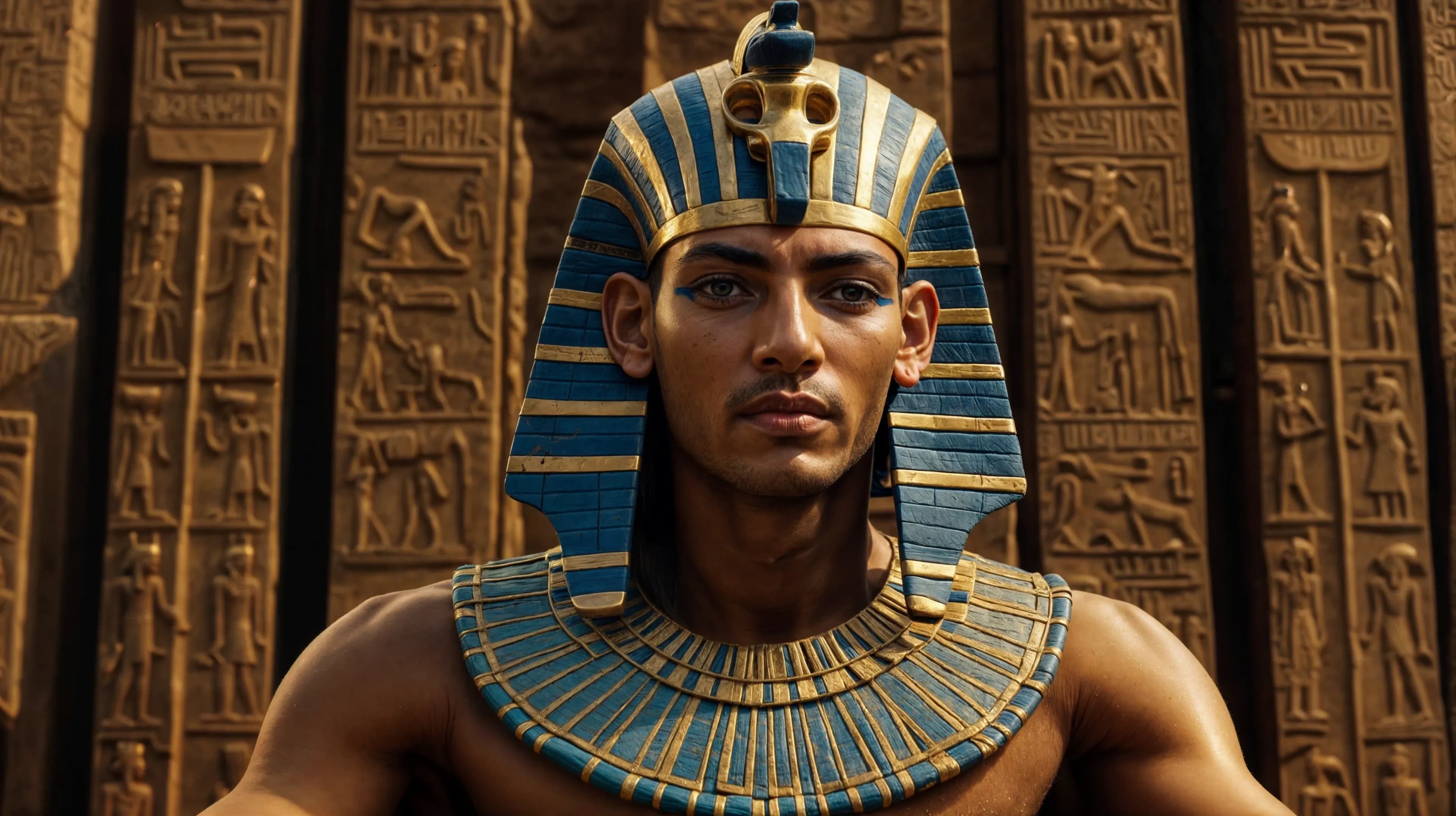


 Ramses II
Ramses II, also known as Ramses the Great, was a powerful pharaoh of ancient Egypt known for his military campaigns, extensive building programs, and long reign.
Vision
Known as Ramses the Great, Ramses II is often regarded as one of the most effective and powerful pharaohs of the Egyptian Empire. His vision was to maintain the prosperity, stability, and strength of Egypt. He sought to reinforce Egypts borders, defend it from external threats, and immortalize his reign through ambitious architectural projects.
Biography
Ramses II, also known as Ramses the Great, was the third pharaoh of the Nineteenth Dynasty of Egypt and is often considered one of Egypts most effective pharaohs. He was born around 1303 BC to Pharaoh Seti I and Queen Tuya. As a prince, Ramses II was appointed regent by his father and took an active part in military campaigns. He ascended to the throne in his early twenties and ruled Egypt for 66 years until his death in 1213 BC, making his reign one of the longest in Egypts history. Ramses II led several military expeditions to the east and north of Egypt, most notably the Battle of Kadesh against the Hittites. Despite initial setbacks, Ramses II managed to achieve a tactical victory and subsequently negotiated a peace treaty with the Hittites, which is considered one of the earliest recorded peace treaties. Ramses II is also known for his extensive building programs. He commissioned the construction of several monumental structures, including the Ramesseum, the city of Pi-Ramesses, and the Abu Simbel temples. His architectural projects were not only aimed at glorifying his reign but also at reinforcing the religious and political structures of his time. Ramses II was married to Queen Nefertari, who was often depicted alongside him in his monuments. He had over 100 children from his numerous wives and concubines. Ramses II lived to be around 90 years old, an extraordinary age for his time, and was buried in the Valley of the Kings. His mummy, discovered in 1881, is one of the best-preserved mummies and provides valuable insights into the life and health of the ancient Egyptians.
Awards and Recognition
As a pharaoh, Ramses II did not receive awards or recognitions in the modern sense. However, his achievements are recognized by historians and Egyptologists. His successful military campaigns, extensive building programs, and long reign have earned him the epithet Ramses the Great. His peace treaty with the Hittites is considered a significant achievement in the history of diplomacy. The monumental structures built during his reign, particularly the Abu Simbel temples, are recognized as UNESCO World Heritage Sites. His mummy and artifacts from his reign are displayed in museums around the world, contributing to the understanding and appreciation of ancient Egyptian civilization.
References
Share with friends
Ramses II, also known as Ramses the Great, was a powerful pharaoh of ancient Egypt known for his military campaigns, extensive building programs, and long reign.
City of Residence
Pi-Ramesses
Known For
Being one of the most powerful pharaohs of the New Kingdom period
Born
1303 BCE
Location
Pharaoh of Egypt
Education
Royal tutoring
Personal Details
Ramses II, also known as Ramses the Great, ruled Egypt for approximately 66 years, from 1279 BC to 1213 BC. He had several wives and is believed to have fathered more than 100 children. He is often regarded as one of Egypt's most effective pharaohs.
Recognition
His reign, which was one of the longest in Egyptian history, saw an unprecedented number of monumental structures being erected, including the Ramesseum and the Abu Simbel temples.
Related TITANS OF THE WORLD


About
Where Wisdom Meets AI Utopia Edutainment
Wisdomia.ai is a 3D AI edutainment platform that seamlessly blends learning with immersive play. As the first AI-powered 3D Web 3.0 marketplace created by creators for creators. Founded by renowned serial entrepreneur and author Dinis Guarda, Wisdomia empowers individuals to flourish in an ecosystem designed for collective wisdom EQ. Join us in shaping humanity's future as we harness the power of AI to visualise and create a better world—where technology serves human potential, and innovation is guided by utopian wisdom.
Contact us
Produced by

