
loading...
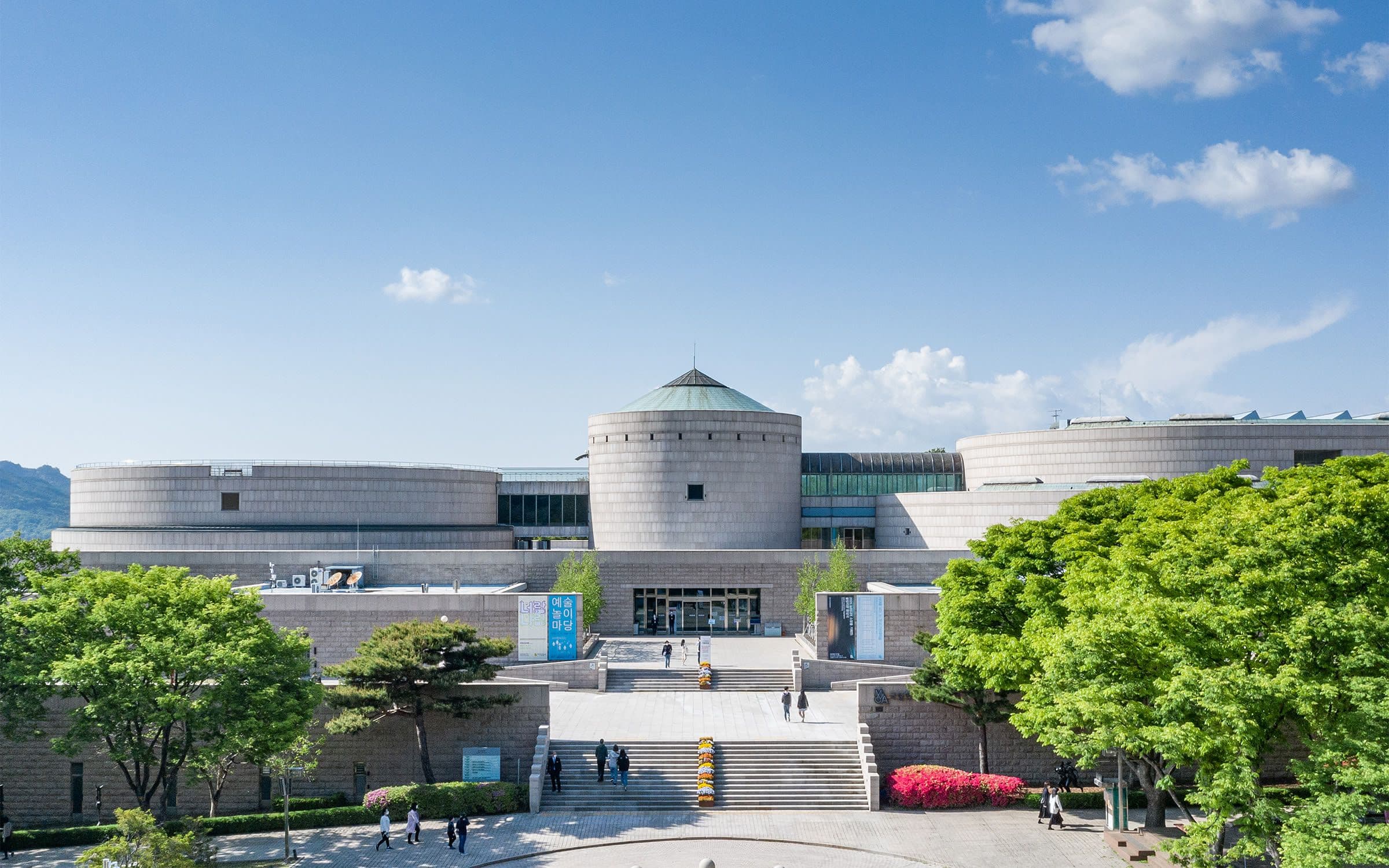


The National Museum of Modern and Contemporary Art, Gwacheon is one of the four branches that showcases Korean and international contemporary art. The museum, which was the first branch of the National Museum of Modern and Contemporary Art, is located in a park in Gwacheon outside of Seoul. It features a sculpture park and an eco-friendly culture space.
Overview
The National Museum of Modern and Contemporary Art, Gwacheon branch, is a renowned art museum located in Gwacheon, South Korea. Established in 1969, it was the first museum in Korea dedicated to modern art. The museum was initially located in Gyeongbokgung Palace but was later moved to Gwacheon in 1986 due to space constraints. Now, it is one of the four branches of the National Museum of Modern and Contemporary Art, Korea (MMCA), with the other branches in Seoul, Deoksugung, and Cheongju.
The Gwacheon branch of the MMCA is situated in a 3,200-acre nature park, offering a harmonious blend of nature and art. The museum building itself is a piece of modern architecture, designed by the Korean architect Kim Tae-soo. It has a total floor area of 54,790 square meters and is built on a plot of land measuring 295,291 square meters. The museum boasts of indoor exhibition halls, an outdoor sculpture park, a media board, a project exhibition gallery, and a multi-project hall.
The museum is dedicated to introducing and promoting modern and contemporary art. It holds a permanent collection of over 7,000 items, including works of Korean and international artists from the early 20th century to the present. The collection is divided into different sections: painting, sculpture, installation, photography, moving image, and new media. Some of the famous artists whose works are displayed in the museum include Kim Whanki, Lee Ufan, Nam June Paik, and Yoko Ono.
Aside from the permanent collection, the museum also hosts special exhibitions, educational programs, and various cultural events. The special exhibitions showcase a wide range of artworks, from traditional Korean art to cutting-edge contemporary works. The educational programs are designed to engage different age groups, from children to adults. They include workshops, lectures, and interactive activities that aim to cultivate an appreciation for art and to inspire creativity.
The museum is also a platform for emerging artists. It runs a residency program that provides artists with studio space, living quarters, and a stipend for a certain period. This program is designed to support the creative activities of the artists and to promote exchanges between them. The artists in residence also have the opportunity to exhibit their works in the museum.
The Gwacheon branch of the MMCA is not only a place for viewing art but also a space for relaxation and recreation. The museum is surrounded by a beautiful park, with walking trails, picnic areas, and a botanical garden. Visitors can enjoy the natural scenery while taking a break from the art exhibitions. The museum also has a café and a museum shop, where visitors can buy art books, postcards, and other souvenirs.
In terms of accessibility, the museum is easily reachable by public transportation. It is located near the Seoul Grand Park Station, which is served by Line 4 of the Seoul Metro. The museum also provides a free shuttle bus service from the station to the museum. For those who prefer to drive, there is a parking lot available on site.
Overall, the National Museum of Modern and Contemporary Art, Gwacheon branch, provides a comprehensive and enriching experience of modern and contemporary art. With its vast collection, diverse programs, and beautiful surroundings, it is a must-visit destination for art lovers and tourists alike.
Key Highlights & Collections
The National Museum of Modern and Contemporary Art (MMCA) in Gwacheon, South Korea is one of the leading art institutions in the country. It is home to an extensive collection of modern and contemporary art from Korea and around the world. Established in 1986 as a branch of the National Museum of Contemporary Art, the Gwacheon branch is located in a striking modernist building designed by Korean architect Kim Tae-soo, surrounded by a sculpture park and the peaceful Gwacheon Citizens Forest.
The museum's collection is divided into several sections, each dedicated to a particular period or style of art. Among these are Modern Art, contemporary art, architecture, design, and craft. The Modern Art section showcases important works from the early 20th century to the 1960s, including pieces by Korean artists such as Lee Jung-seob and Kim Whanki. These works reflect the turbulent history of Korea during this period, from Japanese colonial rule to the Korean War and its aftermath.
The contemporary art section, in contrast, focuses on the diverse range of artistic practices from the 1960s to the present. It includes works by leading Korean artists such as Lee Bul, Nam June Paik, and Choi Jeong Hwa, as well as international artists. This section is particularly noted for its cutting-edge exhibitions and installations, which often incorporate new technologies and media.
The architecture and design section includes a wide range of architectural models, plans, and drawings, as well as industrial and graphic design works. This section not only showcases the work of Korean architects and designers but also reflects the rapid development and urbanization of Korean society in the late 20th and early 21st centuries.
The MMCA Gwacheon branch also houses a craft section, which includes ceramics, textiles, metalwork, and other traditional Korean crafts. While these works are often seen as part of Korea's cultural heritage, the museum also showcases contemporary craft artists who are reinterpreting these traditions in innovative ways.
In addition to its permanent collections, the MMCA Gwacheon branch also hosts temporary exhibitions, artist residencies, and various educational programs. These programs aim to promote the understanding and appreciation of modern and contemporary art among the public. The museum also organizes regular public events, including artist talks, workshops, and performances.
One of the key highlights of the MMCA Gwacheon branch is the outdoor sculpture park, which is one of the largest in Asia. The park features over 100 works by Korean and international artists, set amidst the beautiful natural surroundings of the Gwacheon Citizens Forest. The sculpture park is open year-round and offers a unique opportunity to experience art in the open air.
The museum's architecture is also a key highlight. The building, designed by Kim Tae-soo, is a striking example of modernist architecture, with its clean lines, geometric forms, and use of natural light. The building itself is considered a work of art, and it provides an ideal setting for the museum's collections.
The MMCA Gwacheon branch is not only a museum but also a cultural hub, offering a variety of facilities for visitors. These include an art library, a children's museum, a multi-purpose hall, and a museum shop. The museum also has a café and a restaurant, providing visitors with a place to relax and enjoy the view of the surrounding forest.
In summary, the National Museum of Modern and Contemporary Art in Gwacheon is a must-visit destination for art lovers. With its extensive collections, diverse programs, and beautiful surroundings, it offers a rich and rewarding experience for all visitors.
Visitor Experience
The National Museum of Modern and Contemporary Art (MMCA) in Gwacheon, South Korea, is a remarkable destination, offering an enriching and engaging visitor experience. Located in the outskirts of Seoul, the museum is nestled in a tranquil setting, surrounded by the scenic beauty of the Seoul Grand Park. A visit to the MMCA Gwacheon is not just about viewing art, but also about immersing oneself in the harmony of nature and artistic expression.
As visitors approach the museum, they are welcomed by an array of outdoor sculptures. These art pieces, blending seamlessly into the natural environment, set the tone for the unique experience that lies ahead. The museum building itself is an architectural marvel, featuring modern and innovative designs that reflect its commitment to contemporary art.
Once inside the museum, visitors are treated to a wide range of art collections and exhibitions. The MMCA Gwacheon is home to Korean modern art and invites exploration of various art genres, from paintings and sculptures to installations, photography, and video art. The museum has a collection of over 7,000 artifacts, ensuring that there is something for every art enthusiast.
The permanent exhibitions offer a comprehensive overview of modern and contemporary Korean art. They are thoughtfully curated, with informative descriptions, allowing visitors to appreciate the context and significance of each artwork. The museum continually updates its exhibitions with new acquisitions, ensuring a fresh and dynamic experience for returning visitors.
In addition to its permanent collections, the MMCA Gwacheon hosts various temporary exhibitions. These exhibitions feature works from international artists, providing a global perspective on modern and contemporary art. Visitors can enjoy a diverse array of artistic styles, themes, and techniques, reflecting the multifaceted world of contemporary art.
Furthermore, the museum offers a range of educational programs and workshops. These programs cater to different age groups and skill levels, providing opportunities for visitors to engage with art in a more hands-on manner. For children and families, there are art-making workshops and interactive exhibitions, designed to foster creativity and curiosity. For adults, there are lectures, seminars, and guided tours, offering deeper insights into the world of modern and contemporary art.
The MMCA Gwacheon is also known for its artist-in-residence program. This program invites artists from around the world to live and work at the museum for a period of time. Visitors have the unique opportunity to observe these artists at work, gain insights into their creative process, and engage in meaningful dialogues about art.
Beyond the art exhibits, the MMCA Gwacheon offers a range of amenities for visitors. There are several cafes and restaurants, providing a variety of dining options. There is also a museum shop, offering a selection of art books, gifts, and souvenirs. Visitors can also enjoy the beautiful museum gardens, which offer a peaceful retreat from the bustling city life.
Accessibility is a key priority at the MMCA Gwacheon. The museum is equipped with facilities to accommodate visitors with disabilities, including wheelchair ramps and accessible restrooms. It also offers services such as guided tours for visually impaired visitors, ensuring an inclusive and enjoyable experience for all.
Lastly, the MMCA Gwacheon is committed to sustainability. The museum has implemented various eco-friendly practices, such as the use of solar energy and rainwater harvesting. This commitment is also reflected in the museum's exhibitions and programs, which often explore themes related to the environment and sustainability.
In conclusion, a visit to the National Museum of Modern and Contemporary Art in Gwacheon is a rich and rewarding experience. The museum offers a diverse range of art collections, educational programs, and visitor amenities, all set within a beautiful and tranquil environment. Whether you are an art connoisseur or a casual visitor, the MMCA Gwacheon promises a memorable and inspiring visit.
References
National Museum of Modern and Contemporary Art, Gwacheon (Official Website)
Visit Korea - National Museum of Modern and Contemporary Art, Gwacheon
Tripadvisor - National Museum of Modern and Contemporary Art, Gwacheon
Wikipedia - National Museum of Modern and Contemporary Art, Gwacheon
Korea Herald - National Museum of Modern and Contemporary Art, Gwacheon
Google Arts & Culture - National Museum of Modern and Contemporary Art, Gwacheon
National Geographic - National Museum of Modern and Contemporary Art, Gwacheon
Share with friends
The National Museum of Modern and Contemporary Art, Gwacheon is one of the four branches that showcases Korean and international contemporary art. The museum, which was the first branch of the National Museum of Modern and Contemporary Art, is located in a park in Gwacheon outside of Seoul. It features a sculpture park and an eco-friendly culture space.
Museum Name
National Museum of Modern and Contemporary Art, Gwacheon
Location
Gwacheon, South Korea
Type of Museum
Art Museum
Year Established
1986
Notable Collections/Features
Korean Modern and Contemporary Art, including works of notable Korean artists such as Go Hui-dong, Ku Bon-woong, Park Soo-keun, Kim Whanki
Website


About
Where Wisdom Meets AI Utopia Edutainment
Wisdomia.ai is a 3D AI edutainment platform that seamlessly blends learning with immersive play. As the first AI-powered 3D Web 3.0 marketplace created by creators for creators. Founded by renowned serial entrepreneur and author Dinis Guarda, Wisdomia empowers individuals to flourish in an ecosystem designed for collective wisdom EQ. Join us in shaping humanity's future as we harness the power of AI to visualise and create a better world—where technology serves human potential, and innovation is guided by utopian wisdom.
Contact us
Produced by

