
loading...
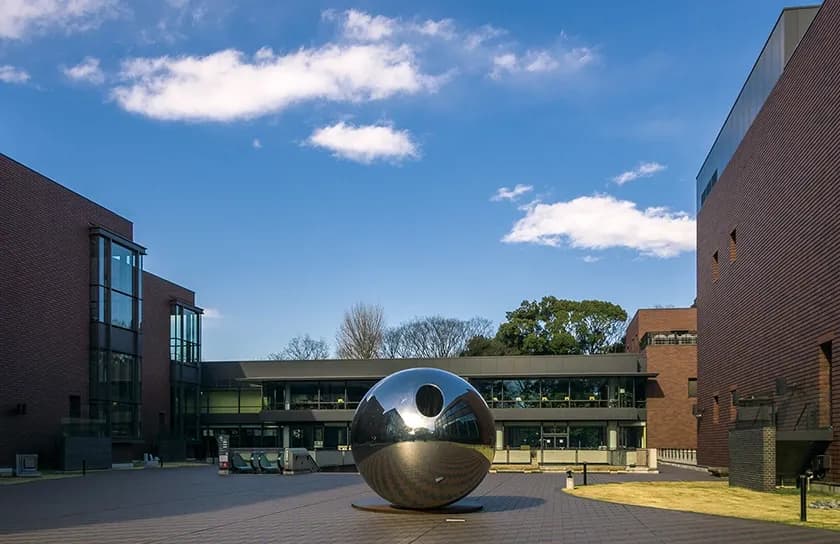


The Tokyo Metropolitan Art Museum is a major public art gallery, administered by the Tokyo Metropolitan Foundation for History and Culture. It offers a wide range of art and cultural activities, such as exhibitions, lectures and workshops.
Overview
The Tokyo Metropolitan Art Museum, located in Ueno Park in Tokyo, Japan, is a major destination for art lovers and culture enthusiasts. Founded in 1926, this public museum is the first of its kind in Japan and has been showcasing diverse exhibitions from classical to contemporary art, both from Japan and around the world.
The museum is known for its monumental building that was designed by Kunio Maekawa, a student of the renowned architect Le Corbusier. The building itself is a masterwork of modernist architecture, featuring a grid of concrete and glass, and has been recognized as a cultural property by the Japanese government.
The Tokyo Metropolitan Art Museum consists of six galleries, each dedicated to a specific genre of art. These include the Japanese Gallery, the Asian Gallery, the Prints Gallery, the Crafts Gallery, the Sculpture Gallery, and the Painting Gallery. Each gallery is designed to provide visitors with a comprehensive understanding and appreciation of the particular art form.
The Japanese Gallery is home to a rich collection of traditional Japanese art, from ancient pottery and Buddhist sculptures to ukiyo-e prints and Nihonga paintings. The Asian Gallery, on the other hand, showcases a variety of art from across Asia, including China, Korea, Southeast Asia, and the Middle East. The Prints Gallery houses a wide range of prints, from woodblock prints to modern graphic art, while the Crafts Gallery exhibits a collection of traditional Japanese crafts, from ceramics and lacquerware to textiles and metalwork.
The Sculpture Gallery and the Painting Gallery, meanwhile, are dedicated to Western-style art. The Sculpture Gallery features works from the Renaissance period to the modern era, while the Painting Gallery showcases a wide array of paintings, from the Old Masters to contemporary works. The museum also has a dedicated space for temporary exhibitions, where it hosts a variety of exhibitions throughout the year.
One of the unique features of the Tokyo Metropolitan Art Museum is its emphasis on engagement and accessibility. The museum offers a variety of educational programs and workshops for visitors of all ages, from children to adults. These programs are designed to foster an appreciation for art and culture, and to encourage creative expression. The museum also provides audio guides and sign language interpretation services to make its collections accessible to a wider audience.
In addition to its galleries and educational programs, the Tokyo Metropolitan Art Museum also features a number of facilities for visitors' convenience. These include a museum shop, where visitors can purchase art books, postcards, and souvenirs, and a café, where visitors can enjoy a meal or a cup of coffee while taking in the museum's tranquil surroundings. The museum also has a library, where visitors can access a wide range of books and reference materials on art and culture.
The Tokyo Metropolitan Art Museum is not just a place to see art, but also a place to experience it. The museum regularly hosts art-related events, such as lectures, workshops, and performances, providing visitors with the opportunity to engage with art in a variety of ways. The museum also collaborates with local and international artists and art institutions to bring diverse and innovative exhibitions to its visitors.
The Tokyo Metropolitan Art Museum is a testament to Tokyo's vibrant art scene and its commitment to promoting art and culture. With its diverse collections, innovative exhibitions, and inclusive programs, the museum continues to be a leading destination for art enthusiasts from around the world.
Visiting the Tokyo Metropolitan Art Museum is not just about viewing art, but also about experiencing the rich and diverse culture of Japan and the world. Whether you are an art enthusiast or a casual visitor, the Tokyo Metropolitan Art Museum offers a unique and enriching experience that is sure to leave a lasting impression.
Key Highlights & Collections
The Tokyo Metropolitan Art Museum, located in Ueno Park in Tokyo, Japan, is a hub of attraction for art lovers all around the world. Opened in 1926, it is Japan's first public art museum and houses a vast collection of art from Japan and around the world. The museum offers a variety of exhibitions from masterpieces of world art to works by contemporary artists.
The museum is divided into several galleries, each dedicated to a different theme or era. The museum's vast collection includes both Japanese and Western art, including painting, sculpture, prints, and calligraphy. There are six galleries in total, each offering a unique perspective on the world of art.
In the Japanese Art Gallery, you can find a comprehensive collection of traditional Japanese art, including ukiyo-e woodblock prints, ink paintings, ceramics, and sculptures. These exhibits give a glimpse into the rich cultural heritage of Japan and its unique artistic traditions. The gallery also features rotating exhibits of contemporary Japanese artists, providing a showcase for the country's modern art scene.
Western Art Gallery, on the other hand, houses a collection of Western art spanning from the Renaissance to the 20th century. This includes works by renowned artists such as Vincent Van Gogh, Pierre-Auguste Renoir, and Pablo Picasso. The gallery also features a comprehensive collection of Impressionist paintings, including works by Monet, Degas, and Renoir.
Another key highlight of the museum is its Prints and Drawings Gallery. This gallery showcases a vast collection of prints, drawings, and watercolors, with a particular focus on works from the Edo period. It also hosts special exhibitions that highlight specific artists or themes in printmaking.
The Calligraphy Gallery is another unique aspect of the Tokyo Metropolitan Art Museum. Here, visitors can admire a variety of calligraphic styles, from traditional Chinese and Japanese scripts to modern, abstract calligraphy. This gallery offers a unique insight into the art of writing and its evolution over the centuries.
The Tokyo Metropolitan Art Museum is also known for its Sculpture Gallery, which showcases a diverse collection of sculptures from various periods and cultures. This includes Japanese Buddhist statues, Western marble sculptures, and contemporary installations.
One of the unique features of the museum is its emphasis on audience participation. The museum hosts numerous workshops, lectures, and art classes for adults and children alike to promote a deeper understanding and appreciation of art. It also organizes regular art competitions, giving local artists a chance to display their work and receive recognition.
The Tokyo Metropolitan Art Museum also houses a specialized library that contains over 100,000 books and periodicals about art. This is a valuable resource for researchers, students, and art enthusiasts. In addition to the library, the museum also features a museum shop where visitors can buy art books, prints, and other art-related merchandise.
Another key highlight of the Tokyo Metropolitan Art Museum is its architecture. The museum's building, designed by renowned Japanese architect Kunio Maekawa, is a masterful blend of modern and traditional Japanese architectural styles. The museum's tranquil garden, complete with a tea house, provides a peaceful escape from the bustling city.
The museum also hosts special exhibitions throughout the year, displaying works from other museums, private collections, and international exhibitions. These temporary exhibitions offer a chance to see rare and valuable works that are not normally on display. Past exhibitions have featured masterpieces by artists such as Rembrandt, Van Gogh, and Picasso.
In conclusion, the Tokyo Metropolitan Art Museum is a treasure trove of art, culture, and history. With its vast collection, diverse exhibits, and numerous educational programs, it offers an enriching experience for art lovers of all ages. Whether you are a seasoned art connoisseur or a casual visitor, the Tokyo Metropolitan Art Museum is sure to captivate and inspire you.
Visitor Experience
Visiting the Tokyo Metropolitan Art Museum is an immersive journey into the world of Japanese and international art. Located in Ueno Park, the museum is easily accessible and offers a diverse experience to its visitors, from the enchanting architecture of the building itself to the grand array of exhibits it houses.
The Museum was opened in 1926 and is recognized as Japans first public art museum. It has since undergone several renovations, the latest of which was completed in 2012, providing the museum with a modern and sophisticated look that matches the quality of the artwork it exhibits.
Upon entering the museum, visitors are greeted with a spacious and bright entrance hall with a high ceiling. This is an ideal place to pause, take in the scale of the museum, and plan the route for the visit. A detailed map of the museum is available in multiple languages, ensuring that non-Japanese speaking visitors can navigate easily.
The Tokyo Metropolitan Art Museum consists of six galleries. Each gallery is independently curated, meaning that the museum can host multiple exhibitions simultaneously. The galleries range in theme and style, showcasing a wide variety of art forms, including paintings, sculptures, prints, and photography. This diversity ensures that the museum appeals to a broad audience with different tastes and interests in art.
One of the most popular galleries is the Japanese Gallery. This gallery showcases the rich history and evolution of Japanese art. The exhibits range from ancient to modern times, offering a comprehensive understanding of Japans unique art styles and techniques. Visitors can expect to see traditional Japanese paintings, calligraphy, ceramics, textiles, and more.
Another must-visit gallery is the International Gallery. Here, visitors can explore art from around the world. The gallery hosts exhibitions from renowned international artists and collections from other museums. The exhibits are regularly rotated, meaning that there is always something new to see.
In addition to the regular exhibitions, the museum also hosts temporary special exhibitions. These exhibitions often focus on specific artists, art movements, or themes, providing an in-depth exploration of the topic. These special exhibitions are a major draw for art enthusiasts and are often accompanied by lectures, workshops, and other educational programs.
The museum also offers a range of services to enhance the visitor experience. There is an audio guide service available in several languages, which provides detailed explanations of the exhibits. For visitors with visual impairments, the museum provides tactile maps and audio guides with descriptive commentary. There are also wheelchair rentals and barrier-free restrooms to cater to visitors with mobility issues.
For families visiting with children, the museum provides a range of educational programs and workshops designed to engage children in art. There is also a dedicated Childrens Gallery, where children can enjoy hands-on experience with art.
After exploring the galleries, visitors can relax at the museums café, which offers a variety of food and beverages. There is also a museum shop where visitors can purchase souvenirs, art books, and reproductions of the artwork on display.
In conclusion, a visit to the Tokyo Metropolitan Art Museum provides a rich and diverse experience. With its wide range of exhibits and services, it caters to all types of visitors, from art enthusiasts to families, ensuring that everyone leaves with a deeper appreciation of art.
References
Share with friends
The Tokyo Metropolitan Art Museum is a major public art gallery, administered by the Tokyo Metropolitan Foundation for History and Culture. It offers a wide range of art and cultural activities, such as exhibitions, lectures and workshops.
Museum Name
Tokyo Metropolitan Art Museum
Location
Ueno Park, Tait?, Tokyo, Japan
Type of Museum
Art museum
Year Established
1926
Notable Collections/Features
Features art pieces from Japan as well as art from across the world, including various temporary exhibitions
Website


About
Where Wisdom Meets AI Utopia Edutainment
Wisdomia.ai is a 3D AI edutainment platform that seamlessly blends learning with immersive play. As the first AI-powered 3D Web 3.0 marketplace created by creators for creators. Founded by renowned serial entrepreneur and author Dinis Guarda, Wisdomia empowers individuals to flourish in an ecosystem designed for collective wisdom EQ. Join us in shaping humanity's future as we harness the power of AI to visualise and create a better world—where technology serves human potential, and innovation is guided by utopian wisdom.
Contact us
Produced by

