
loading...
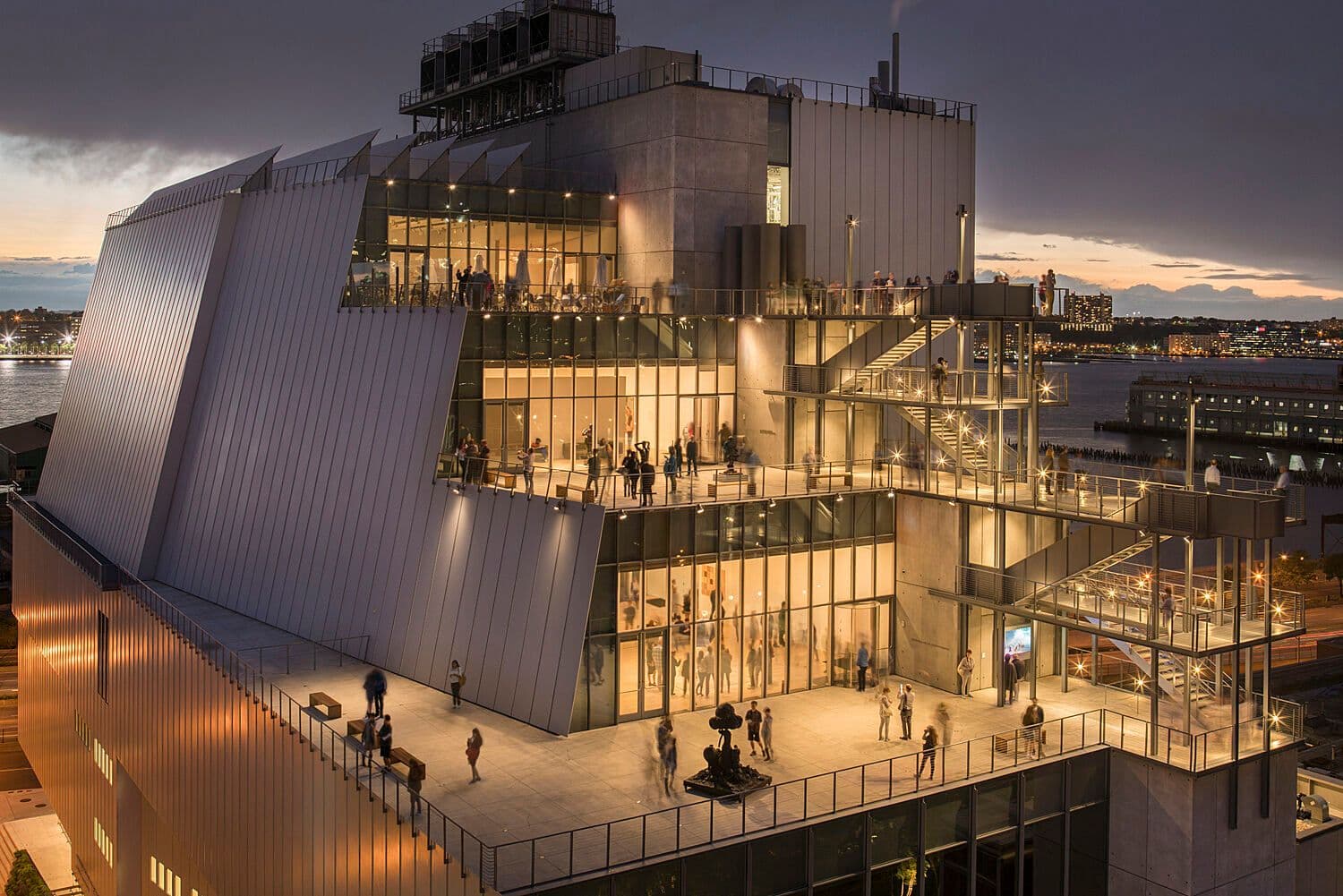


The Whitney Museum of American Art – known informally as the Whitney – is an art museum in New York City. It was founded in 1931 by Gertrude Vanderbilt Whitney, a wealthy and prominent American socialite and art patron after whom it is named.
Overview
The Whitney Museum of American Art, popularly known as the Whitney Museum, is renowned for its focus on 20th and 21st-century American art. Established in 1930 by Gertrude Vanderbilt Whitney, a well-known art patron and artist in her own right, the museum was originally located on West Eighth Street in Greenwich Village. The Whitney Museum has since moved to a larger, more modern space in the Meatpacking District on Gansevoort Street.
The museum's collection, which comprises of over 25,000 pieces, is noted for its emphasis on contemporary and living artists, a feature that sets it apart from other major American art institutions. The Whitney Museum's extensive collection includes paintings, sculptures, prints, drawings, photographs, films, videos, and artifacts of new media by more than 3,500 artists. The diversity and breadth of this collection reflects the museum's ongoing commitment to presenting an encompassing view of modern and contemporary American art.
The Whitney Museum's permanent collection features works by numerous notable artists including Edward Hopper, Jasper Johns, Willem de Kooning, Alexander Calder, Georgia O'Keeffe, and many others. The museum's dedication to contemporary art is reflected in its biennial, an event that showcases recent works by living artists. This biennial has launched the careers of several prominent artists and continues to be a significant event in the American art world.
In addition to its permanent collection and biennial, the Whitney Museum hosts a variety of temporary exhibitions, many of which focus on the work of emerging or under-recognized artists. These exhibitions are often accompanied by educational programs and performances designed to engage and educate the public about contemporary art and artists. The museum also offers a range of educational programs for students, teachers, families, and adults, including lectures, workshops, and guided tours.
The Whitney Museum's current building, which opened in 2015, was designed by renowned architect Renzo Piano. This spacious, light-filled structure includes over 50,000 square feet of indoor galleries and 13,000 square feet of outdoor exhibition space, making it one of the largest art museums in New York City. The building's design, which includes large windows and terraces, allows for stunning views of the city and the Hudson River.
The Whitney Museum has a long history of supporting artists and their work. In addition to acquiring and exhibiting their art, the museum provides financial assistance to artists through its grant program. The Whitney also supports artists by publishing catalogues and other materials related to their work, providing a valuable resource for scholars, critics, and other artists.
In conclusion, the Whitney Museum is a pillar of the American art scene, dedicated to the promotion and understanding of contemporary and modern art. With its extensive collection, diverse exhibitions, and commitment to education, the Whitney Museum offers visitors an expansive view of American art from the 20th and 21st centuries.
From its inception, the Whitney has been a home for the artists of America. The museum's founder, Gertrude Vanderbilt Whitney, was an artist herself and understood the importance of a platform for artists to showcase their work. She established the museum with the aim of supporting and promoting the work of American artists, a mission that still drives the Whitney Museum today.
With its impressive collection and innovative exhibitions, the Whitney Museum continues to showcase the diverse and evolving landscape of American art. By centering its focus on living artists and contemporary work, the Whitney Museum has cemented its place as a vital institution in the American art world. Its commitment to nurturing and showcasing the future of American art is reflective of its ongoing dedication to the artists and the art of America.
Key Highlights & Collections
The Whitney Museum, officially known as the Whitney Museum of American Art, is located in New York City. It is one of the preeminent institutions for the research and exhibition of American art from the 20th and 21st centuries. Founded by Gertrude Vanderbilt Whitney, a wealthy and prominent American art patron in 1930, the Whitney Museum focuses on presenting the full spectrum of American arts and culture.
The museum is known for its iconic building located in the Meatpacking District, designed by renowned Italian architect Renzo Piano. The building is a sight to behold, with its industrial-chic design and stunning views of the Hudson River and the cityscape. The museum's design includes ample outdoor and indoor spaces, allowing for a seamless integration of the museum with the cityscape.
The museum's collection is one of its key highlights, featuring over 25,000 works by more than 3,500 American artists. This includes paintings, sculptures, prints, photographs, films, videos, and new media by established and emerging artists. It represents a comprehensive overview of American art through the ages, with a particular emphasis on contemporary and living artists.
The Whitney Museum is renowned for its commitment to presenting the work of living artists. It regularly hosts retrospectives and solo exhibitions of contemporary artists, making it a vital platform for artists to showcase their work and for audiences to discover new talents. The museum's biennial, an exhibition held every two years, is one of the most anticipated events in the American art world. It features the work of emerging and under-recognized artists, providing a snapshot of the current trends and developments in American art.
The museum's permanent collection includes notable works from artists such as Edward Hopper, Georgia O'Keeffe, Jackson Pollock, and Andy Warhol. Hopper's 'Early Sunday Morning' and 'A Woman in the Sun' are two of the most celebrated pieces in the museum's collection. The collection also includes significant works from the Abstract Expressionist, Pop Art, and Contemporary Art movements.
The Whitney Museum also has a rich collection of works from the Harlem Renaissance, an intellectual and cultural revival of African American music, dance, art, fashion, literature, theater and politics centered in Harlem, New York in the 1920s and 1930s. Works from significant artists like Archibald Motley, Augusta Savage, and Palmer Hayden form part of this collection.
Aside from its art collection, the Whitney Museum also offers extensive educational programs. These programs aim to engage diverse audiences in exploring American art and its relevance to contemporary society. These include guided tours, workshops, lectures, and even opportunities for visitors to engage with artists directly.
The museum also has a research library which contains a vast array of materials on American art, artists, and art history. It is a valuable resource for researchers, scholars, and students. The library's collection includes books, periodicals, auction catalogs, and artist files, as well as archival materials such as correspondence, photographs, and oral histories.
In addition, the Whitney Museum has a film and video collection that features over 1,000 works. These include groundbreaking films and videos from the 1960s and 1970s, as well as recent works by contemporary artists. This collection reflects the museum's long-standing commitment to film and video as art forms.
Over the years, the Whitney Museum has played a significant role in shaping the understanding and appreciation of American art. Its comprehensive collection, innovative exhibitions, and extensive educational programs continue to inspire and engage audiences, making it a must-visit destination for art enthusiasts.
Visitor Experience
The Whitney Museum of American Art, commonly known as the Whitney, offers a unique visitor experience. The museum focuses on 20th and 21st-century American art with the goal of providing a comprehensive overview of modern American art history. From the moment you step into this iconic building in New York's Meatpacking District, you'll be immersed in a world of creativity and innovation.
The museum's impressive architecture is a work of art in itself. Designed by Renzo Piano, the building features large, open spaces filled with natural light, providing the perfect environment to showcase the museum's extensive collection. The building also offers stunning views of the Hudson River and the surrounding cityscape, enhancing the visitor experience.
Visitors to the Whitney are welcomed by friendly and knowledgeable staff who are always ready to guide and assist. There are also a variety of resources available, including audio guides, exhibition catalogues, and educational materials, to help visitors explore and understand the art on display. The museum offers guided tours, workshops, lectures, and other educational programs that cater to all ages and interests.
For those looking to explore at their own pace, the museum's intuitive layout makes it easy to navigate through the various galleries. The collection is organized chronically, allowing visitors to journey through time and witness the evolution of American art. From early 20th-century realism and abstract expressionism, to pop art and contemporary works, the Whitney's collection covers a broad spectrum of styles and mediums.
The museum's collection includes over 25,000 works by more than 3,500 artists, making it one of the most significant collections of American art. Visitors can see works by famous artists such as Edward Hopper, Georgia O'Keeffe, and Andy Warhol, alongside pieces by lesser-known artists and emerging talents. The museum also regularly features special exhibitions and installations, offering visitors the chance to discover new artists and artworks.
Beyond the art, the Whitney offers a variety of amenities to enhance the visitor experience. The museum's restaurant, Untitled, serves contemporary American cuisine in a modern and stylish setting. There's also a café for those needing a quick bite or a coffee break. The museum shop offers a wide range of products, including art books, prints, and unique gift items inspired by the museum's collection. Free Wi-Fi is available throughout the museum, making it easy for visitors to access additional information about the artworks and artists.
The Whitney also offers a range of accessibility services to ensure that all visitors can enjoy their visit. These include wheelchair access, assistive listening devices, and sign language interpretation. The museum also offers sensory-friendly hours for visitors with autism and sensory processing disorders, and touch tours for visitors with visual impairments.
In addition to the permanent collection and special exhibitions, the Whitney also hosts a variety of events and programs. These include artist talks, film screenings, performances, and family-friendly activities. These programs offer visitors the chance to engage with the art in new and exciting ways, and to learn more about the artists and their creative processes.
The Whitney is more than just a museum; it's a vibrant cultural hub where visitors can experience the richness and diversity of American art. Whether you're an art enthusiast or a casual visitor, the Whitney offers an engaging and enlightening experience that is sure to enrich your understanding and appreciation of American art.
Overall, visiting the Whitney is a memorable experience. The museum's striking architecture, extensive collection, and innovative programming offer a unique and enriching exploration of American art. Whether you're admiring the iconic works on display, attending a thought-provoking lecture, or simply enjoying the stunning views, you're sure to leave the Whitney with a deeper appreciation for the transformative power of art.
References
Whitney Museum Official Website
Whitney Museum on The New York Times
Architectural Digest's History of the Whitney Museum
Whitney Museum on Time Out New York
Whitney Museum on Lonely Planet
Artnews's History of the Whitney Museum
Whitney Museum on The Met Museum
Conde Nast Traveler's Guide to the Whitney Museum
Whitney Museum on Architect Magazine
*Artspace's Close Look at the Whitney Museum
*Whitney Museum on Smithsonian Magazine
*Whitney Museum on The Art Institute of Chicago
*The New Whitney Museum Opens in Downtown Manhattan on Observer
*Curbed's Review of the Whitney Museum
*The Independent's Article on the Whitney Museum
Share with friends
The Whitney Museum of American Art – known informally as the Whitney – is an art museum in New York City. It was founded in 1931 by Gertrude Vanderbilt Whitney, a wealthy and prominent American socialite and art patron after whom it is named.
Museum Name
Whitney Museum of American Art
Location
99 Gansevoort St, New York, NY 10014, United States
Type of Museum
Art museum
Year Established
1931
Notable Collections/Features
20th- and 21st-century American art, with a special focus on works by living artists.
Website


About
Where Wisdom Meets AI Utopia Edutainment
Wisdomia.ai is a 3D AI edutainment platform that seamlessly blends learning with immersive play. As the first AI-powered 3D Web 3.0 marketplace created by creators for creators. Founded by renowned serial entrepreneur and author Dinis Guarda, Wisdomia empowers individuals to flourish in an ecosystem designed for collective wisdom EQ. Join us in shaping humanity's future as we harness the power of AI to visualise and create a better world—where technology serves human potential, and innovation is guided by utopian wisdom.
Contact us
Produced by

