
loading...

 Animoca Brands: The Architects of Digital Freedom in Gaming's Next Revolution
Animoca Brands: The Architects of Digital Freedom in Gaming's Next Revolution
Mon Jan 12 2026

How Animoca Brands went from gaming company to Web3 pioneer, letting players truly own their digital assets. Discover their vision for the future of gaming.
In the bustling corridors of Hong Kong's tech scene, a quiet revolution began in 2014. Animoca Brands wasn't content with simply making games, they envisioned a world where players wouldn't just play, but truly own their digital destinies. Today, this vision has crystallized into one of the most ambitious experiments in redefining the relationship between creators, players, and the virtual worlds they inhabit.
Beyond Gaming: A Philosophy of Ownership
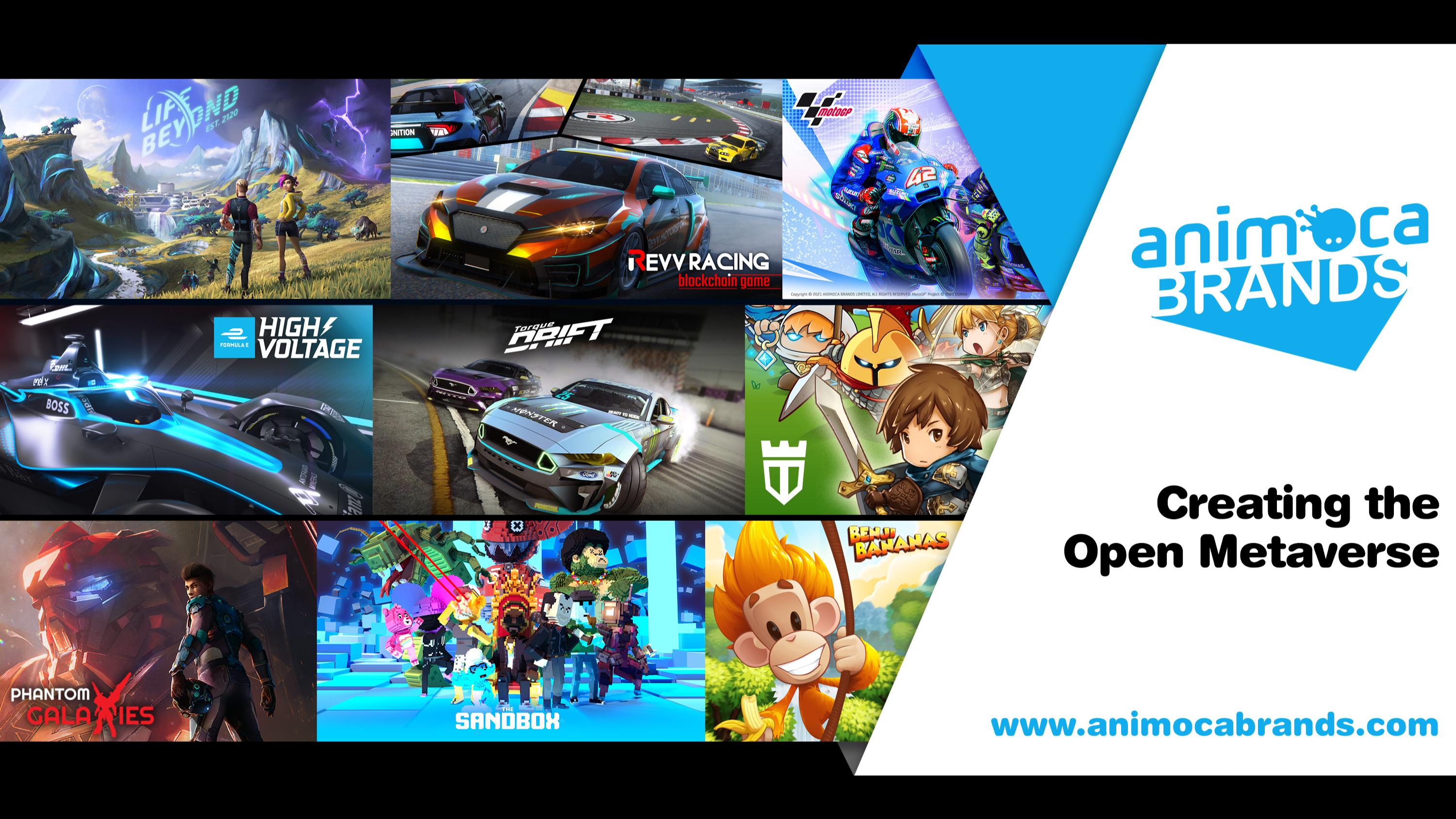
Imagine spending years building a character in your favorite game, collecting rare items, creating content that others love, only to have it all vanish when the servers shut down or the company decides to ban your account. This is the Web2 reality that Animoca Brands' co-founder Yat Siu found unacceptable.
Animoca Brands emerged not just as a gaming company, but as a philosophical statement about digital rights. At its heart lies a simple but revolutionary idea: if you create it, earn it, or buy it in the digital world, you should own it, truly, permanently, transferably. This isn't just about pixels and tokens; it's about dignity in the digital age.
The Sandbox: Where Imagination Becomes Property
Picture a digital universe where creativity isn't just encouraged, it's monetized. The Sandbox represents Animoca's flagship answer to the question:
"What if Minecraft met the blockchain?"
In this sprawling virtual world, players become architects of their own economic destiny. A digital plot of land isn't just a playground, it's real estate. A created game experience isn't just entertainment, it's intellectual property. When Snoop Dogg builds a mansion in The Sandbox, or when someone pays real money to be his virtual neighbor, we're witnessing the birth of a new economy where digital and physical value blur into something entirely novel.
The Sandbox has attracted an eclectic mix of partners: fashion houses like Adidas designing virtual clothing, musicians like Deadmau5 hosting virtual concerts, and brands from The Walking Dead creating zombie-infested experiences. Each partnership isn't just a marketing stunt, it's a experiment in what happens when established brands embrace radical digital ownership.
Racing Toward the Future: REVV and Beyond
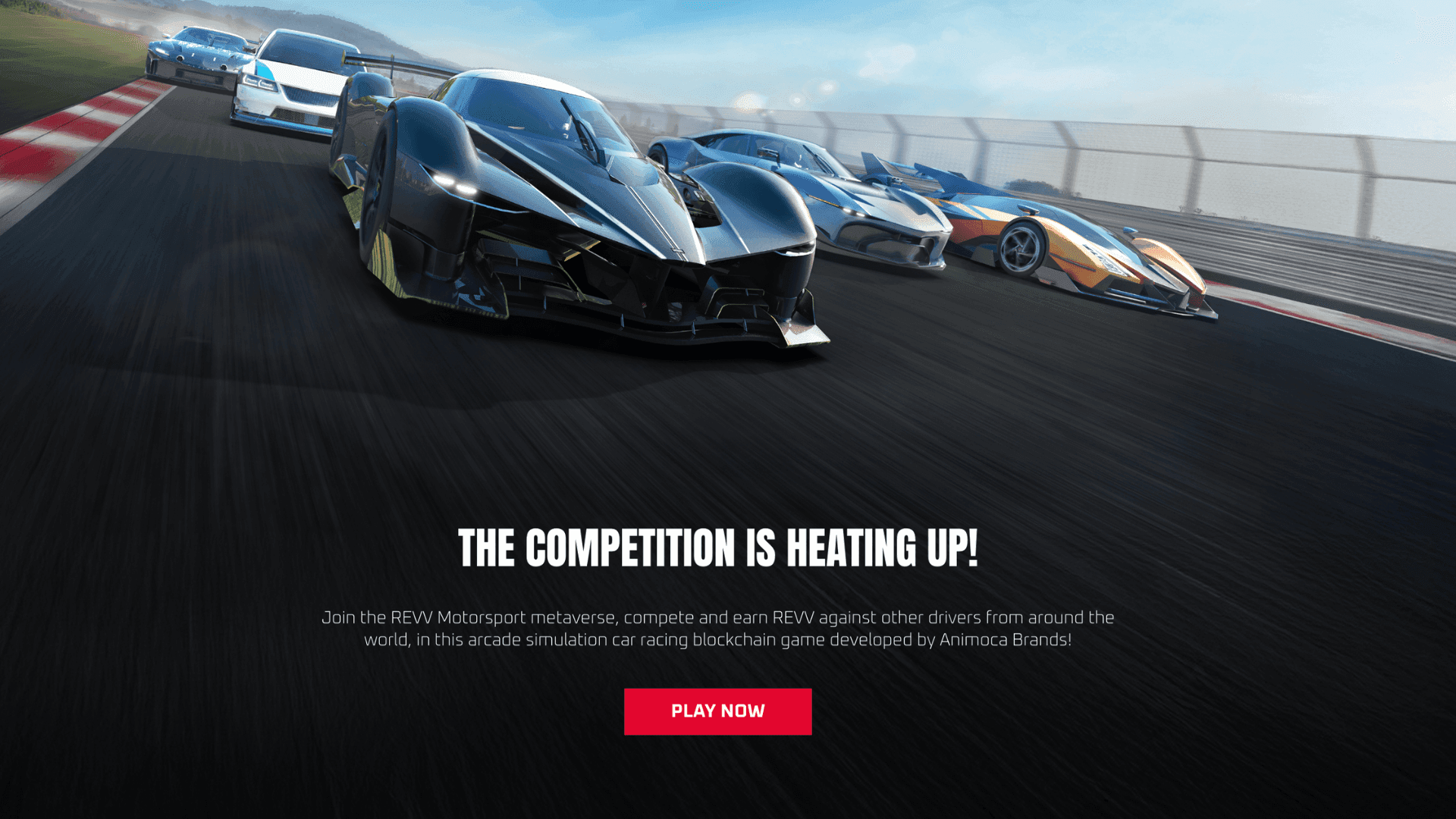
For motorsport enthusiasts, REVV Racing offers something unprecedented: the ability to own a piece of racing history. Officially licensed Formula 1, MotoGP, and Formula E cars become tradeable NFTs, where rarity and performance create real economic value. Winning races isn't just about glory, it's about earning cryptocurrency while doing what you love.
Phantom Galaxies takes this concept to the stars, blending intense space combat with the economics of ownership. Your spaceship isn't borrowed from the game studio, it's yours to customize, trade, or sell as you see fit.
But Animoca's gaming ambitions extend far beyond its own titles. Through strategic acquisitions of studios like Blowfish Studios, nWay, and Eden Games, they're building a constellation of experiences united by a single thread: players own what they create and earn.
The Investment Empire: Betting on a Decentralized Future

With investments in over 400 Web3 companies, Animoca Brands has become something like a venture capital fund with a mission. But this isn't just about financial returns, it's about weaving a interconnected web of platforms, games, and technologies that can talk to each other.
Their portfolio reads like a who's who of the crypto revolution: Yuga Labs (the minds behind Bored Ape Yacht Club), OpenSea (where NFTs change hands), Axie Infinity (the game that let Filipino players earn more than their day jobs during the pandemic), and the infrastructure companies making it all possible like Polygon and Consensys.
This isn't passive investing. Animoca actively connects the dots, introducing portfolio companies to each other, facilitating partnerships, and building the ecosystem infrastructure for the open metaverse they envision.
The Open Metaverse Manifesto
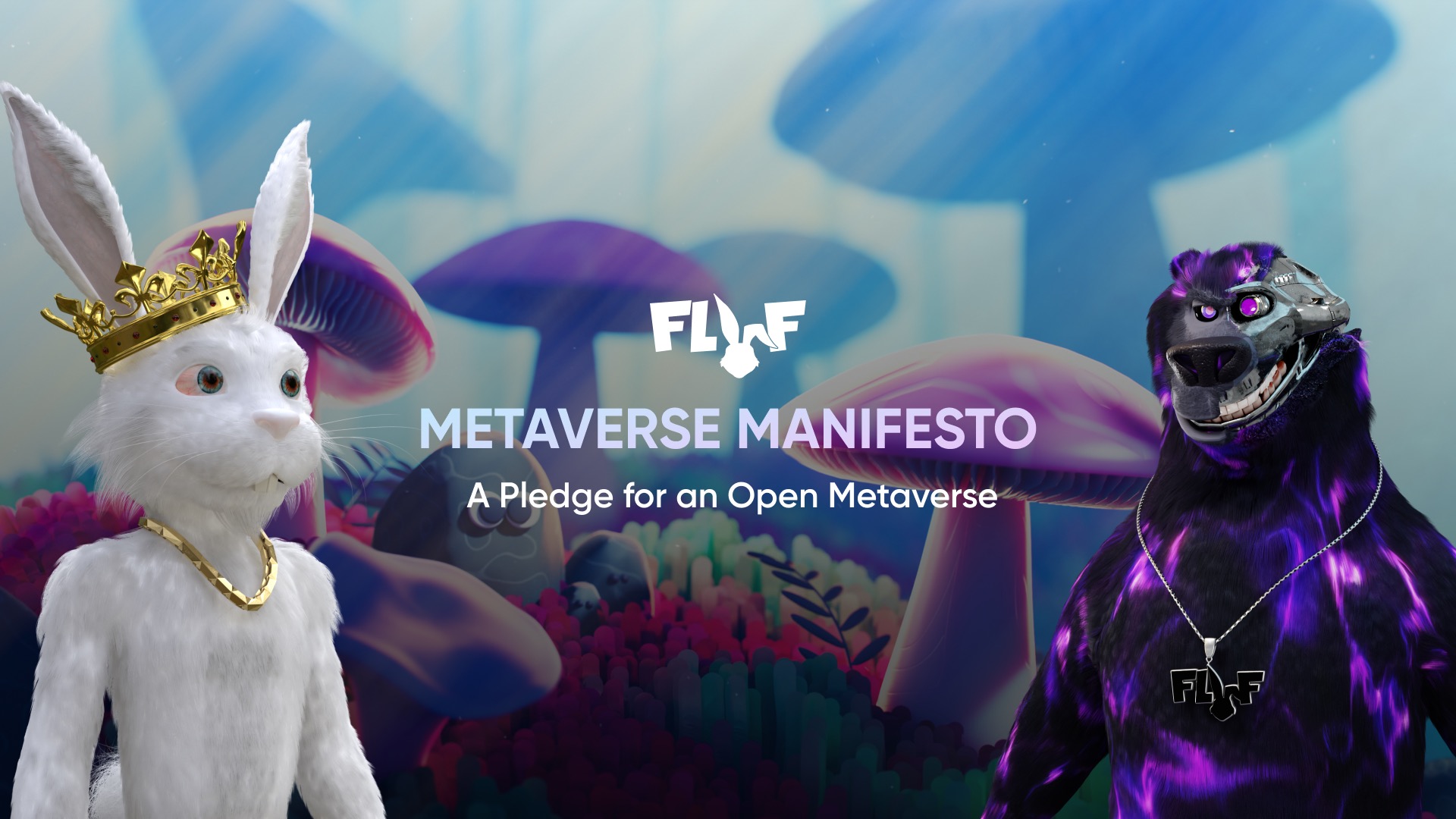
Yat Siu speaks about Web3 with the fervor of a digital rights activist. In his view, Web2 created a feudal system where platforms became landlords and users became serfs, generating all the value through their content, attention, and data, but owning none of it.
Facebook doesn't pay you for the photos that keep users scrolling. YouTube takes a massive cut of advertising revenue from content you created. Game companies can delete your hard-earned items with a single update.
The "open metaverse" that Animoca champions flips this model. Imagine your rare sword from one game working in another. Picture selling your virtual real estate and actually pocketing the proceeds. Envision your digital identity, complete with reputation, achievements, and assets, moving seamlessly across platforms.
This isn't just philosophical, it's practical. NFTs on blockchain provide verifiable ownership that exists independently of any company. If one game shuts down, your assets don't vanish into the digital void. They remain yours, potentially valuable in other ecosystems.
The Brand Whisperers: From Sports to Fashion
There's something almost surreal about watching traditional brands embrace blockchain gaming. When Manchester City launches a virtual stadium in the metaverse, or when Adidas starts selling NFT sneakers, we're witnessing a cultural shift.
Animoca has become the bridge between Web2's established empires and Web3's frontier. They speak both languages fluently, helping brands like the NFL, Disney, Warner Music Group, and Liverpool FC navigate the strange new world of digital ownership without losing their identity.
These aren't just licensing deals, they're educational programs where century-old brands learn to think like Web3 natives, and where blockchain gaming gains the legitimacy that comes from mainstream acceptance.
Navigating the Storm: Challenges in Paradise
The path hasn't been smooth. The crypto winter of 2022-2023 saw valuations plummet and NFT trading volumes crater. Animoca's portfolio, so valuable during the bull market, faced harsh realities when Bitcoin and Ethereum dropped.
The play-to-earn model, while revolutionary, revealed economic fragilities. Games like Axie Infinity created unsustainable economies where the system only worked when new players constantly joined, a structure uncomfortably similar to pyramid schemes. When growth slowed, entire in-game economies collapsed, leaving players who'd invested their savings devastated.
Regulators worldwide are still figuring out how to classify NFTs, cryptocurrencies, and digital assets. Are they securities? Commodities? Property? The answer varies by country, creating a compliance nightmare for a global company.
Environmental critics point to the energy consumption of blockchain networks, though the transition to proof-of-stake systems like Ethereum 2.0 has dramatically reduced this concern.
Perhaps most fundamentally, Animoca must prove that digital ownership isn't just a novelty for crypto enthusiasts, but something that genuinely improves gaming and digital life for mainstream users.
The Horizon: Where Dreams Meet Technology

The story of Animoca Brands is far from written. They're experimenting with AI-generated content that players can truly own, building cross-game avatar systems where your digital identity travels with you, and pushing toward a future where the line between gaming, social networking, and economic activity dissolves entirely.
Traditional gaming giants like Square Enix and Ubisoft are watching closely, making their own blockchain bets. This validates Animoca's vision while simultaneously creating new competition.
The company's leadership speaks about a 10-20 year timeline for the open metaverse to mature. They're not promising overnight transformation, but gradual cultural shift as digital natives who grew up with Fortnite skins and Roblox become the dominant consumer demographic.
Final Reflections: Ownership as Destiny
Animoca Brands poses an uncomfortable question to the digital world: Why should the things we create, earn, and buy in virtual spaces be worth less than their physical counterparts? Why should companies have the power to erase our digital lives on a whim?
Whether their specific vision succeeds or fails, they've already shifted the conversation. The idea that players deserve to own their in-game assets, that creators deserve to control and monetize their digital work, and that users deserve sovereignty over their digital identities, these concepts are now part of gaming's future, however that future unfolds.
In the grand experiment of Web3, Animoca Brands is placing an ambitious bet: that ownership isn't just a feature of a better internet, it's the foundation of digital freedom itself. The next decade will reveal whether they're visionaries or dreamers, revolutionaries or cautionary tales.
But in a world where we spend increasing amounts of our lives in digital spaces, the question they're asking feels increasingly urgent: In the virtual worlds we inhabit, who decides what we truly own?
previous
The Hubble Space Telescope: Humanity's Window to the Universe
next
AI Literacy: Why Every Child Needs to Learn About Artificial Intelligence in School
Share this

Sara Srifi
Sara is a Software Engineering and Business student with a passion for astronomy, cultural studies, and human-centered storytelling. She explores the quiet intersections between science, identity, and imagination, reflecting on how space, art, and society shape the way we understand ourselves and the world around us. Her writing draws on curiosity and lived experience to bridge disciplines and spark dialogue across cultures.
More Articles

Coalition for Content Provenance and Authenticity (C2PA): Building the Trust Infrastructure Behind Digital Content
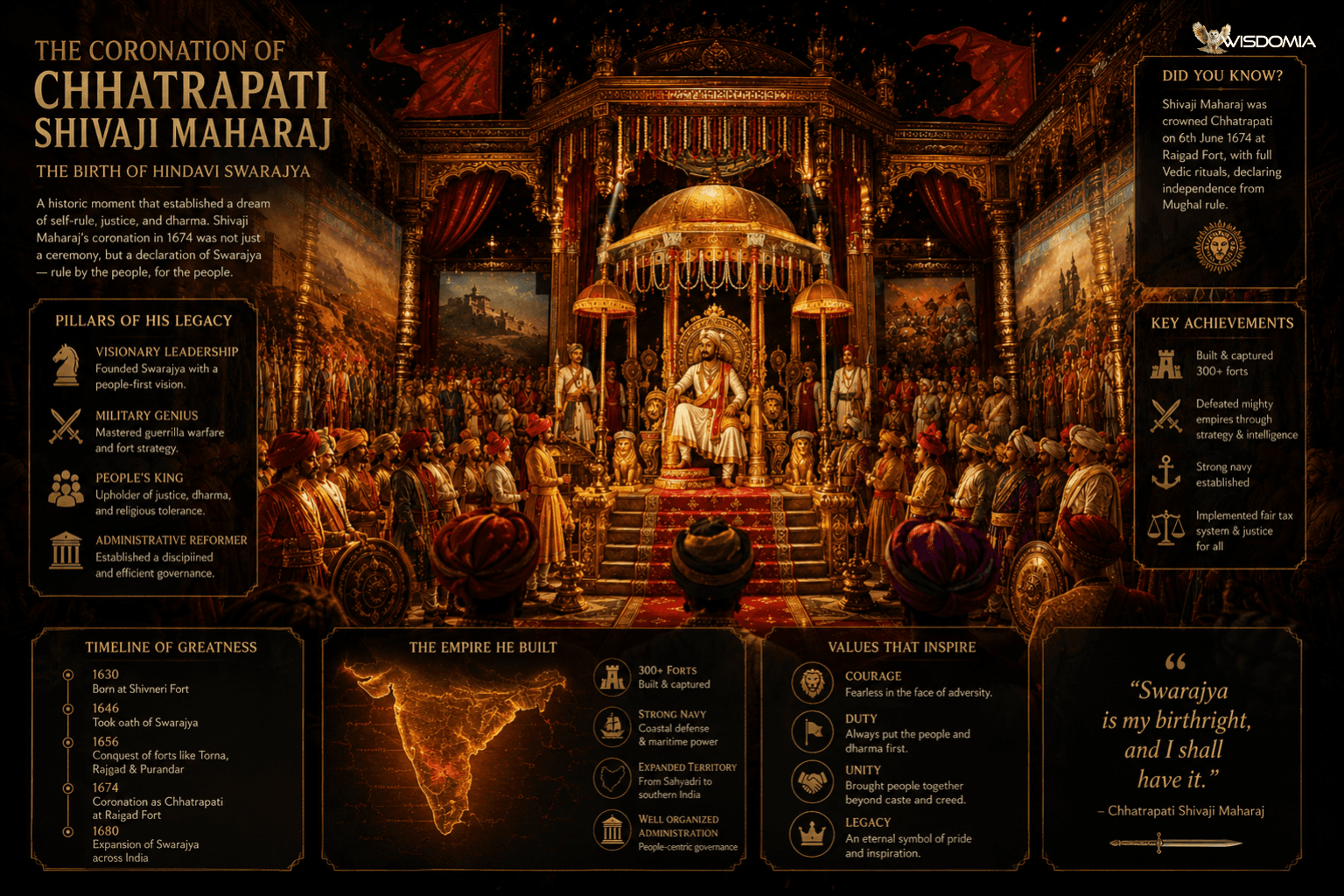
The Coronation of the Legendary King of Maharashtra, India - How Wisdomia AI.DNA / Ztudium Recreated It In 3D AI Spatial Computing?
Face Protocol: The Trust Infrastructure for Digital Identities
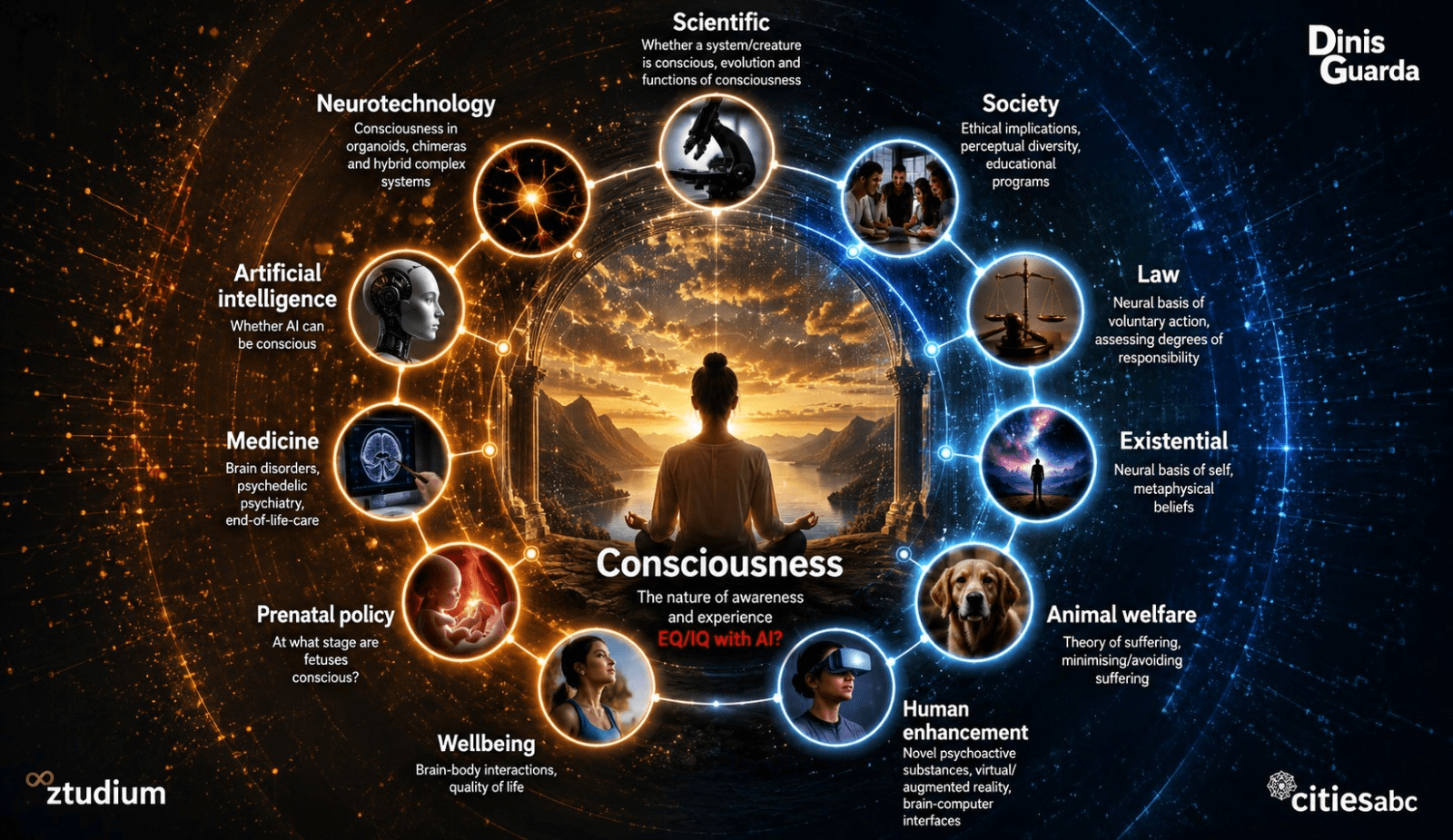
AI & Consciousness: EQ/IQ with AI?
Author Leslie Lee Sanders Turns a Lifetime of Quiet Signs Into a Memoir on Spiritual Awakening
About
Where Wisdom Meets AI Utopia Edutainment
Wisdomia.ai is a 3D AI edutainment platform that seamlessly blends learning with immersive play. As the first AI-powered 3D Web 3.0 marketplace created by creators for creators. Founded by renowned serial entrepreneur and author Dinis Guarda, Wisdomia empowers individuals to flourish in an ecosystem designed for collective wisdom EQ. Join us in shaping humanity's future as we harness the power of AI to visualise and create a better world—where technology serves human potential, and innovation is guided by utopian wisdom.
Contact us
Produced by

