
loading...

 IQ, EQ and SQ: Why Education Ignores the Third Axis
IQ, EQ and SQ: Why Education Ignores the Third Axis
Mon Dec 22 2025
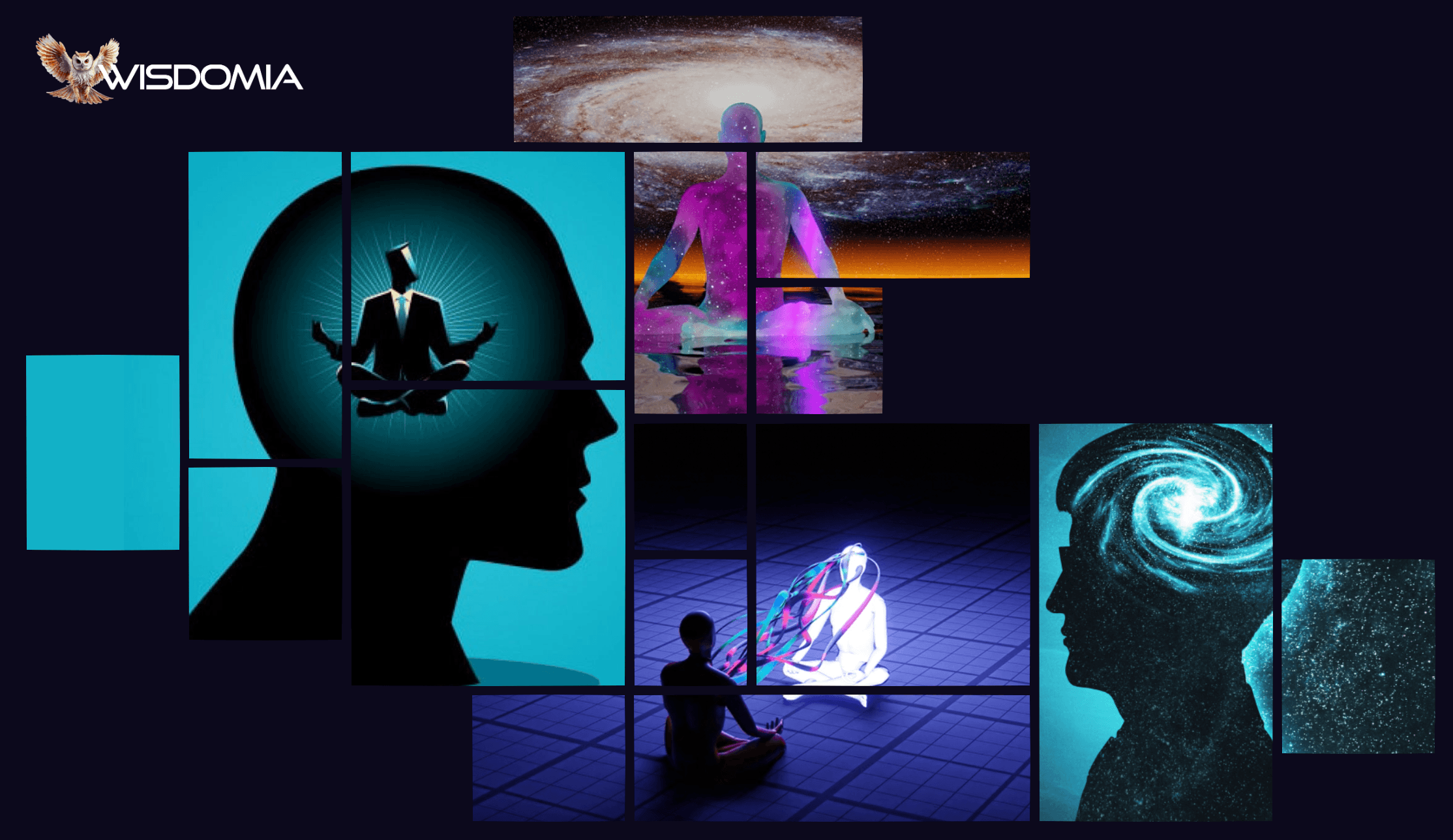
Beyond IQ and emotional intelligence lies SQ, Spiritual Intelligence. Discover why modern education ignores meaning-making and what we can do about it.
We've spent decades championing IQ as the gold standard of success. Then came the emotional intelligence revolution, with EQ promising to unlock the secrets of leadership and relationships. But there's a third dimension of human intelligence that remains conspicuously absent from our classrooms: Spiritual Intelligence, or SQ.
While schools test math skills and slowly warm to teaching empathy, they systematically ignore the very quality that helps us ask why we're learning in the first place.
The Three Pillars of Human Intelligence
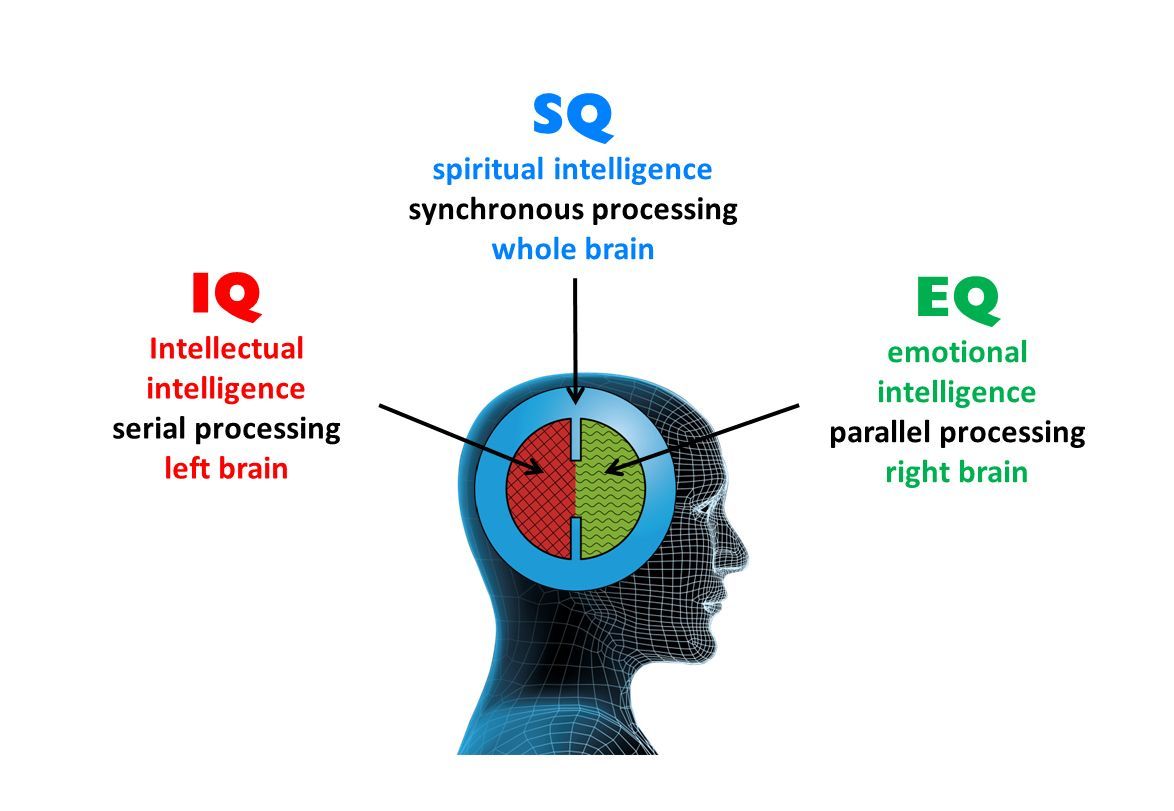
IQ (Intelligence Quotient) measures our cognitive abilities, reasoning, problem-solving, and analytical thinking. It's the intelligence of the mind, the one that helps us navigate complex equations and logical puzzles. Our entire educational infrastructure is essentially an elaborate IQ development program.
EQ (Emotional Quotient) captures our ability to recognize, understand, and manage emotions in ourselves and others. Popularized by Daniel Goleman in the 1990s, emotional intelligence transformed how we think about success, revealing that the smartest person in the room isn't always the most effective.
SQ (Spiritual Quotient) represents our capacity to find meaning, purpose, and connection to something larger than ourselves. It's not about religion, though it can include it. SQ is the intelligence that asks the big questions: What matters? Why am I here? What kind of person do I want to become?
Why SQ Matters More Than Ever

In an age of anxiety, disconnection, and existential confusion, spiritual intelligence might be the most crucial skill we're failing to teach. Studies show that young people are experiencing unprecedented rates of depression and meaninglessness, even as their access to information and opportunity has never been greater.
High IQ can help you solve calculus problems. High EQ can help you navigate office politics. But only SQ can help you decide what's worth solving for and why your work matters at all.
Spiritual intelligence includes the capacity for deep reflection, the ability to transcend ego, compassion that extends beyond immediate social circles, and resilience drawn from a sense of purpose. These aren't soft skills, they're foundational human capacities that shape everything else we do.
The Educational Blind Spot
Modern education treats meaning-making as a private matter, something best left to families, religious institutions, or personal discovery. Schools teach students what to think about geometry and grammar, how to manage their emotions in conflict, but rarely engage with questions of purpose, values, or existential meaning.
This wasn't always the case. Ancient educational systems, from Greek philosophy schools to Buddhist monasteries to Indigenous wisdom traditions, placed spiritual development at the center of learning. Education was fundamentally about becoming a whole person, not just an employable one.
The shift happened gradually as secularization and industrialization transformed schools into workforce preparation centers. We traded depth for breadth, meaning for metrics. Testing what matters became more important than teaching what means something.
What SQ Actually Looks Like in Practice
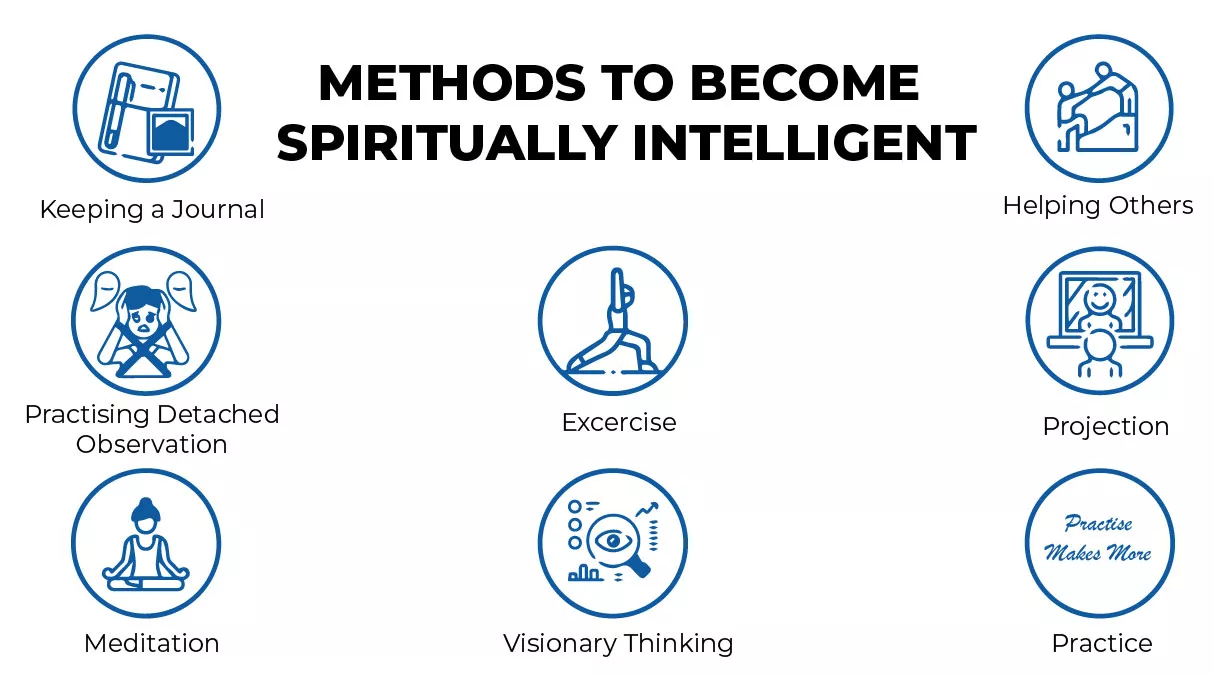
A student with developed spiritual intelligence doesn't necessarily meditate or pray, though they might. Instead, they demonstrate certain unmistakable qualities. They wrestle with ethical dilemmas thoughtfully rather than defaulting to rules or popularity. They find motivation in contribution rather than just achievement. They handle failure with perspective, seeing setbacks as part of a larger journey rather than identity-defining catastrophes.
These students ask uncomfortable questions: Why does this matter? What kind of world are we creating? How should we balance competing values? They're not trying to be difficult, they're exercising an intelligence that our curricula has atrophied.
The Cost of Ignoring SQ
When education ignores spiritual intelligence, we graduate students who are brilliant but directionless, emotionally savvy but existentially lost. They can optimize anything but struggle to know what's worth optimizing. They can achieve any goal but can't figure out which goals matter.
This void doesn't stay empty. It fills with consumerism, social media validation, political tribalism, and desperate searches for belonging. We see young people achieving every external marker of success while reporting devastating internal emptiness.
The mental health crisis in schools isn't just about stress management or emotional regulation. It's about meaning starvation.
How We Could Teach SQ
![How to Experience Spiritual Intelligence [Video]](https://sqi.co/wp-content/uploads/2021/07/3Q-Skills.jpeg)
Integrating spiritual intelligence into education doesn't require prayer or religious instruction. It requires creating space for the questions that matter most.
Philosophy classes should be standard, not elective, starting in elementary school. Young children can absolutely discuss fairness, courage, and what makes a good life, they do it naturally until we redirect them to "practical" subjects.
Literature and history should explicitly explore questions of meaning, not just plot and dates. When we read about historical figures or fictional characters, we should ask: What did they value? What gave their life meaning? What can we learn about purpose from their choices?
Service learning and community connection should be central, not supplementary. Spiritual intelligence grows through actual engagement with others and the world, not just abstract reflection.
Contemplative practices like mindfulness, journaling, or nature connection could help students develop the inner awareness that SQ requires. These aren't religious activities, they're human technologies for self-understanding.
The Secular Spirituality Question
The biggest barrier to teaching SQ is confusion about secularism. We've conflated removing religion from public schools with removing all discussion of meaning, purpose, and values. But spiritual intelligence is no more religious than emotional intelligence is romantic.
A secular approach to SQ would be philosophically pluralistic, exposing students to wisdom from multiple traditions without endorsing any particular belief system. It would focus on universal human questions rather than specific theological answers. It would treat meaning-making as a skill to develop, not a doctrine to accept.
Moving Forward
The resistance to teaching spiritual intelligence comes from reasonable places: concerns about indoctrination, religious freedom, and the measurability of outcomes. But we can't let these concerns condemn generations to inner poverty.
We've already proven we can integrate "soft" dimensions of intelligence into education. The EQ movement showed us that emotions belong in schools. The SQ evolution would take the logical next step: recognizing that whole human beings need more than cognitive and emotional development.
The students graduating today will face challenges we can barely imagine, climate change, artificial intelligence, social fragmentation, and existential questions about what it means to be human. They'll need every dimension of intelligence we can help them develop.
IQ will help them understand the problems. EQ will help them work together. But only SQ will help them know what's worth fighting for and why getting up tomorrow matters.
It's time we stopped ignoring the third axis.
What are your thoughts on spiritual intelligence in education? Have you experienced this dimension of learning in your own education, or noticed its absence? The conversation about SQ is just beginning—and it's one our future depends on.
previous
The Digital Convergence: When Images Became Everything, Everywhere, All at Once
next
Vince Zampella's Legacy: Remembering a Gaming Industry Visionary Who Shaped Modern Gaming
Share this

Sara Srifi
Sara is a Software Engineering and Business student with a passion for astronomy, cultural studies, and human-centered storytelling. She explores the quiet intersections between science, identity, and imagination, reflecting on how space, art, and society shape the way we understand ourselves and the world around us. Her writing draws on curiosity and lived experience to bridge disciplines and spark dialogue across cultures.
More Articles
Blenheim Palace Brings Megalosaurus to Life Through Art, Science and Engineering

Architecture of Movement: What Deserts, Nomads and World Heritage Teach Us About Belonging
The Spiritual Meaning of the AI Singularity: What Remains Human in the Age of Artificial Intelligence?

Geometry or Pixels: Where Generative Video Belongs in a 3D Pipeline
AI Love? 50+ Million People Are Dating AI Agents
About
Where Wisdom Meets AI Utopia Edutainment
Wisdomia.ai is a 3D AI edutainment platform that seamlessly blends learning with immersive play. As the first AI-powered 3D Web 3.0 marketplace created by creators for creators. Founded by renowned serial entrepreneur and author Dinis Guarda, Wisdomia empowers individuals to flourish in an ecosystem designed for collective wisdom EQ. Join us in shaping humanity's future as we harness the power of AI to visualise and create a better world—where technology serves human potential, and innovation is guided by utopian wisdom.
Contact us
Produced by

