
loading...

 Vince Zampella's Legacy: Remembering a Gaming Industry Visionary Who Shaped Modern Gaming
Vince Zampella's Legacy: Remembering a Gaming Industry Visionary Who Shaped Modern Gaming
Tue Dec 23 2025
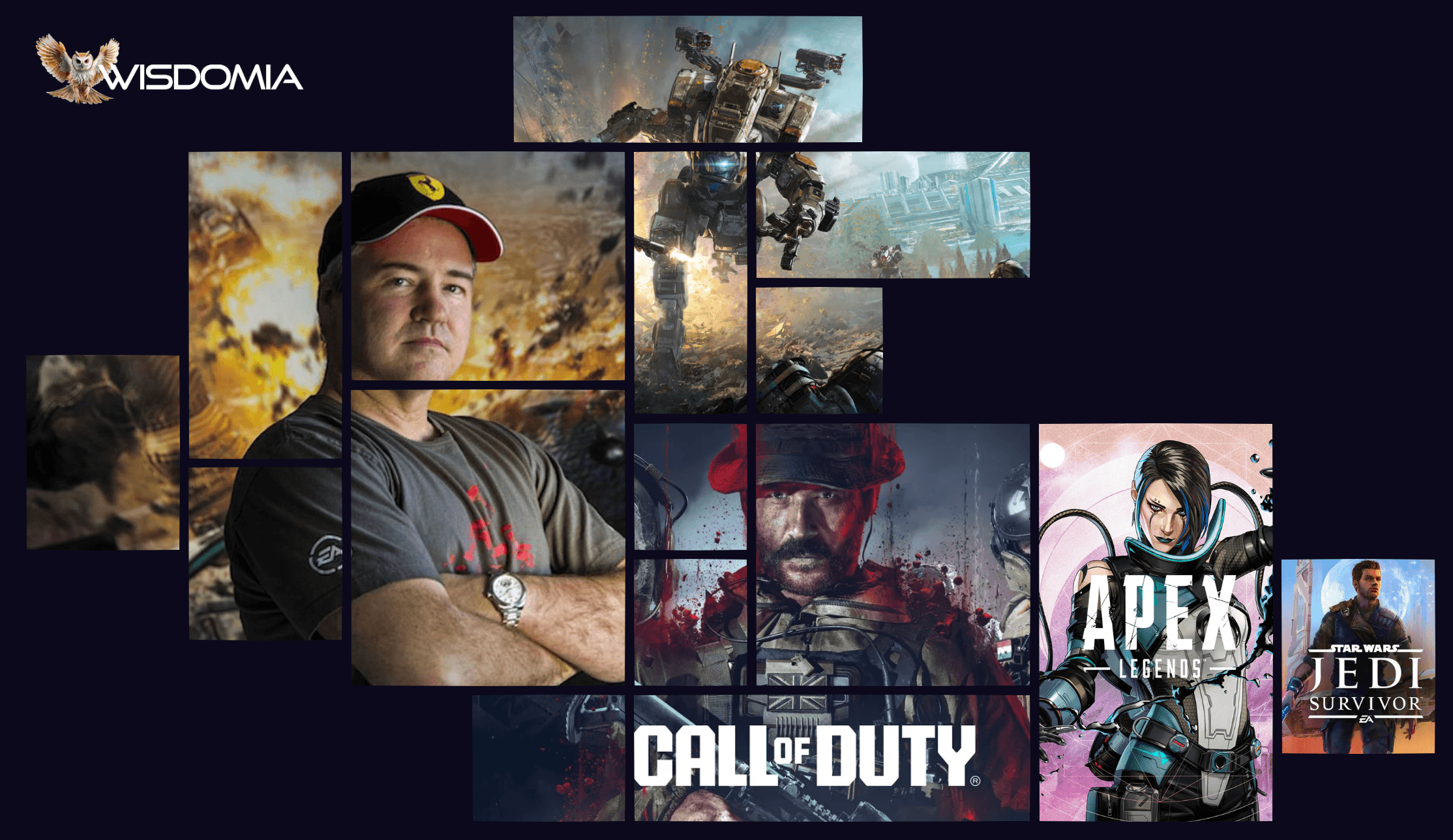
Gaming icon Vince Zampella shaped the industry through Call of Duty, Respawn Entertainment, and groundbreaking titles like Apex Legends and Titanfall.
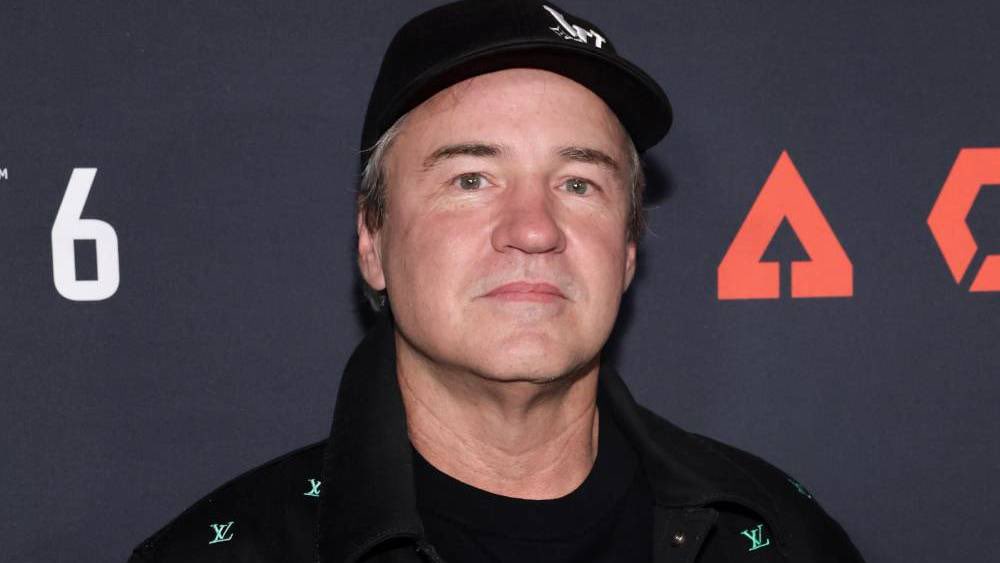
The gaming world mourns the loss of Vince Zampella, who passed at age 55 on December 21, 2025, in a tragic car accident on California's Angeles Crest Highway. As co-creator of Call of Duty and founder of multiple groundbreaking studios, Zampella's influence on interactive entertainment remains immeasurable.
The Early Years: Building the Foundation

Vincent Walter Zampella II began his journey in the gaming industry at GameTek before moving to SegaSoft, where he met Jason West, a partnership that would change gaming history. Their collaboration on Medal of Honor: Allied Assault in 2002, working with Steven Spielberg as co-writer, established their reputation for creating cinematic military shooters. This WWII-themed first-person shooter demonstrated Zampella's talent for merging blockbuster storytelling with engaging gameplay.
Creating an Icon: The Birth of Call of Duty
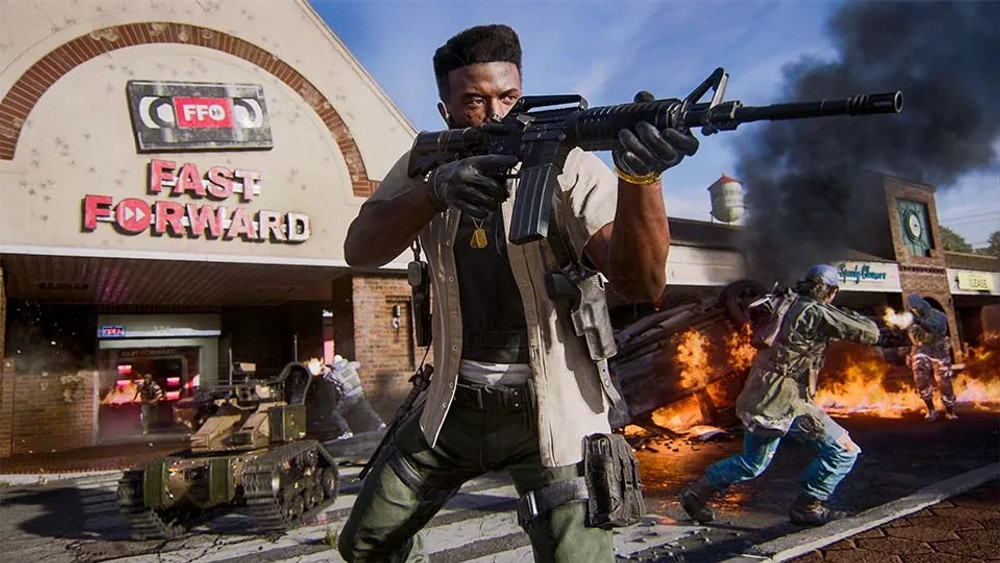
In 2002, Zampella co-founded Infinity Ward alongside Jason West and Grant Collier. Shortly after founding the studio, they struck a deal with Activision to create what was internally dubbed the "MOH Killer", a game that would compete directly with Medal of Honor. That project became Call of Duty, launched in 2003, which revolutionized the first-person shooter genre.
Under Zampella's leadership, Infinity Ward released several landmark titles including Call of Duty 2, Call of Duty 4: Modern Warfare, and Call of Duty: Modern Warfare 2. Modern Warfare in particular transformed the franchise from a WWII shooter into a modern military experience that resonated with millions of players worldwide.
Call of Duty's Monumental Success

The Call of Duty franchise has become the third best-selling video game series globally after Mario and Tetris, with over 500 million copies sold, 100 million monthly active players, and more than $30 billion in total revenue. This extraordinary success cemented Zampella's position as one of the most influential figures in gaming history.
The Activision Controversy and New Beginnings
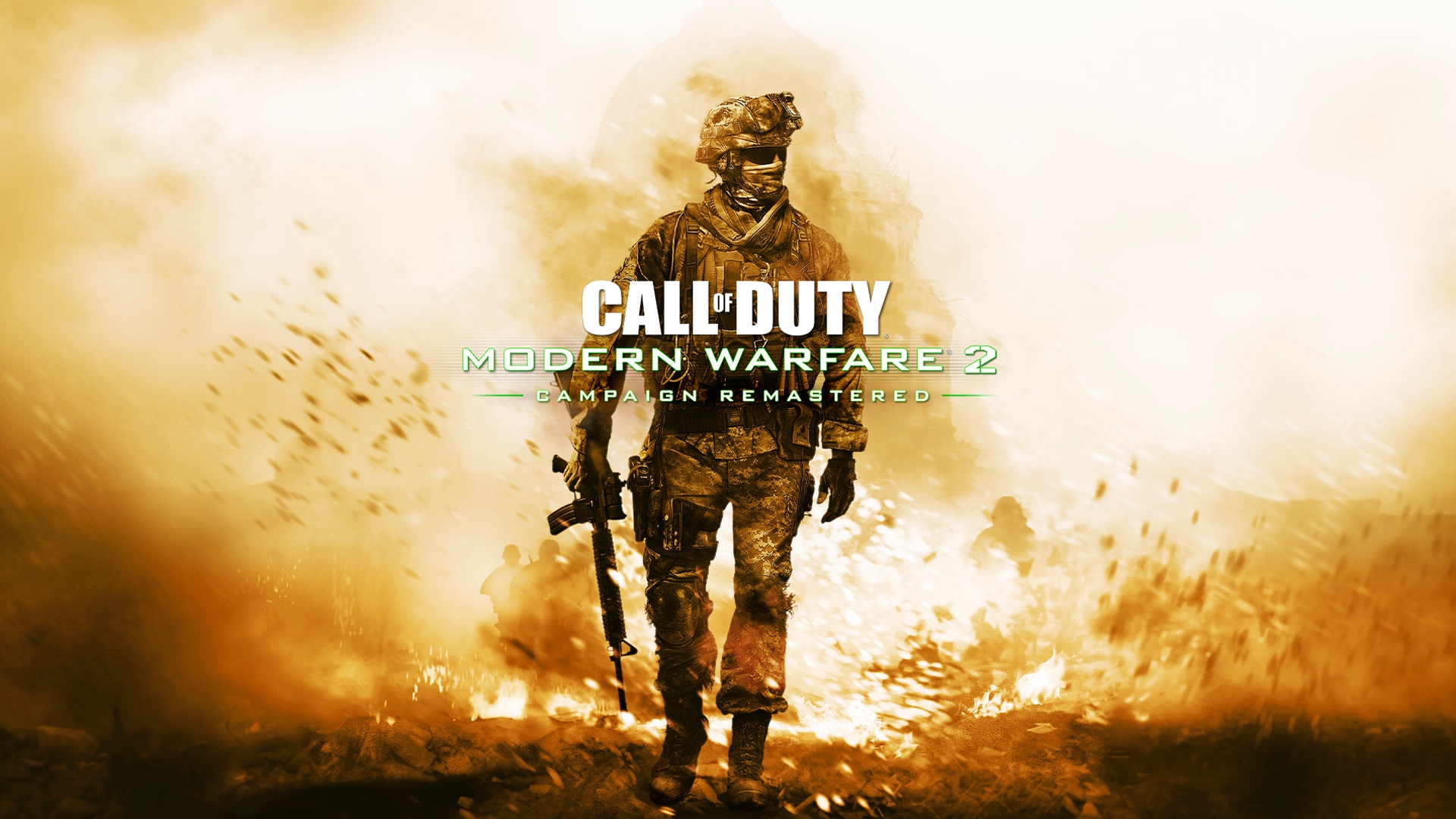
Months after the successful launch of Modern Warfare 2, Zampella and West were fired by Activision and denied $36 million in expected bonuses and royalties. The pair sued for wrongful termination and ultimately received a substantial settlement. This difficult chapter led to an even more significant contribution to the industry.
Respawn Entertainment: Innovation Continues
In April 2010, just one month after their legal battle with Activision began, Zampella and West founded Respawn Entertainment with backing from Electronic Arts. Though West departed in 2013, Zampella continued leading the studio to create multiple critically acclaimed franchises.
Titanfall Series
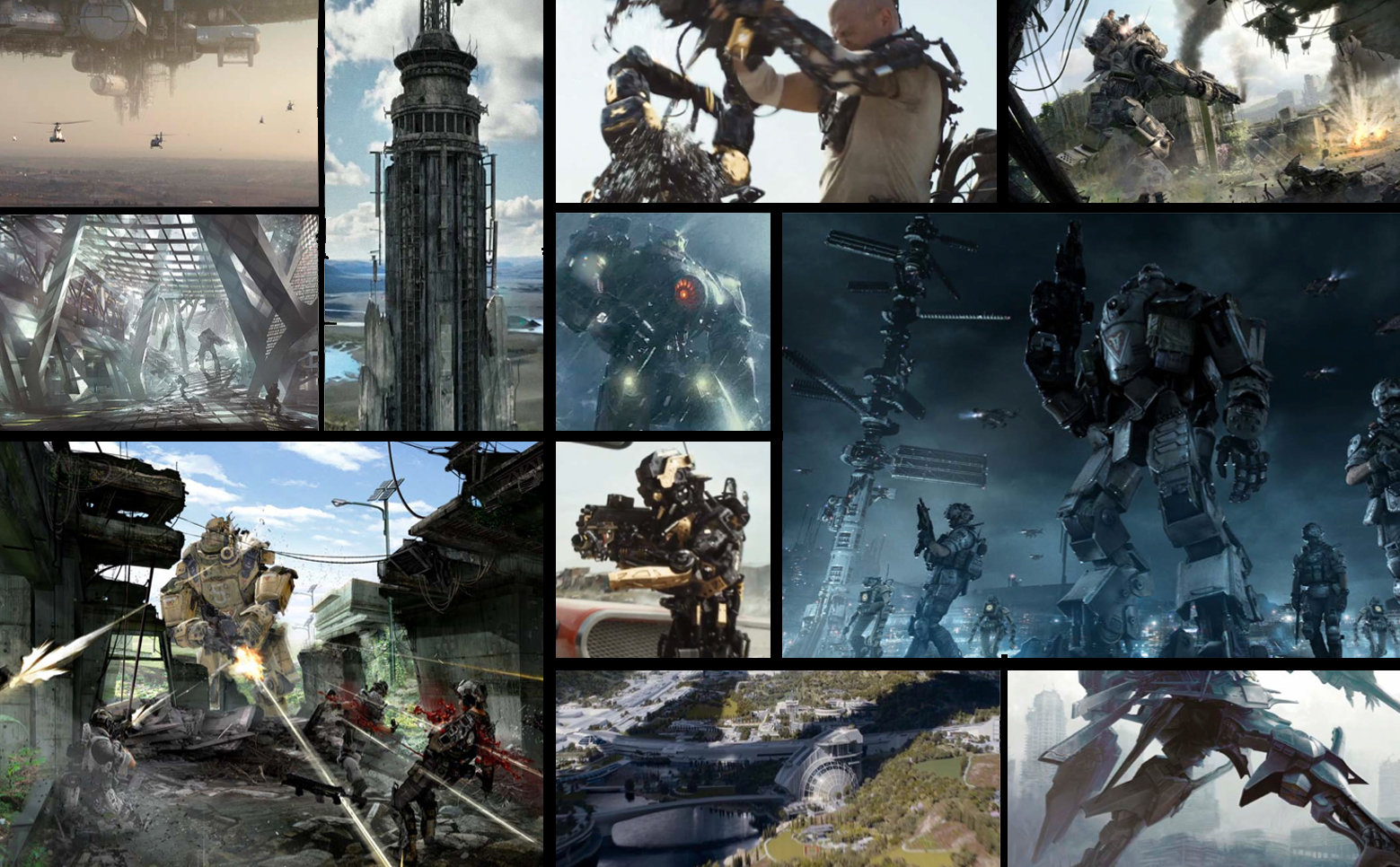
Respawn's first major release, Titanfall, introduced innovative parkour-style movement mechanics and massive mechs that redefined multiplayer shooter gameplay. The sequel, Titanfall 2, earned widespread critical praise for both its multiplayer innovations and exceptional single-player campaign.
Apex Legends
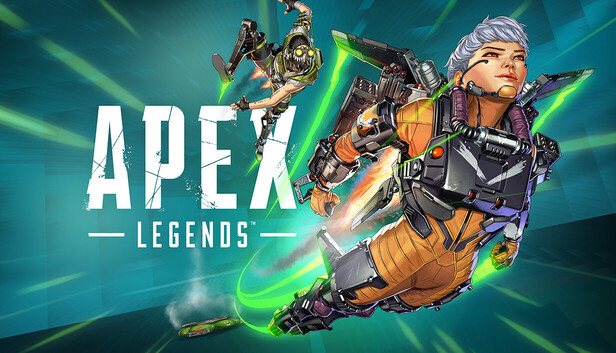
Launched as a surprise release in 2019, Apex Legends became a battle royale phenomenon. The free-to-play title has maintained a massive player base and established itself as one of the premier competitive shooters in the esports scene.
Star Wars Jedi Series

Respawn ventured into single-player action-adventure territory with Star Wars Jedi: Fallen Order (2019) and Star Wars Jedi: Survivor (2023). These critically acclaimed titles demonstrated Zampella's studio could excel beyond the shooter genre, creating rich narrative experiences within the beloved Star Wars universe.
Leadership at EA and the Battlefield Franchise

EA acquired Respawn Entertainment in November 2017, and in January 2020, announced that Zampella would lead the Los Angeles branch of DICE. Following the challenging launch of Battlefield 2042 in 2021, EA placed Zampella in charge of the entire Battlefield franchise, trusting his expertise to revitalize the series.
DICE LA was subsequently renamed Ripple Effect Studios in July 2021, marking a new chapter under Zampella's guidance. His leadership helped restore confidence in the Battlefield series, culminating in the successful release of Battlefield 6 in 2025.
Leadership Philosophy and Industry Impact
Colleagues remembered Zampella for how he showed up every day, trusting his teams, encouraging bold ideas and believing in both Respawn and Battlefield. His management style empowered creative teams to take risks and push boundaries.
Geoff Keighley, co-creator of The Game Awards, described Zampella as
An extraordinary person, a gamer at heart, but also a visionary executive with a rare ability to recognize talent and give people the freedom and confidence to create something truly great.
Zampella's Lasting Legacy
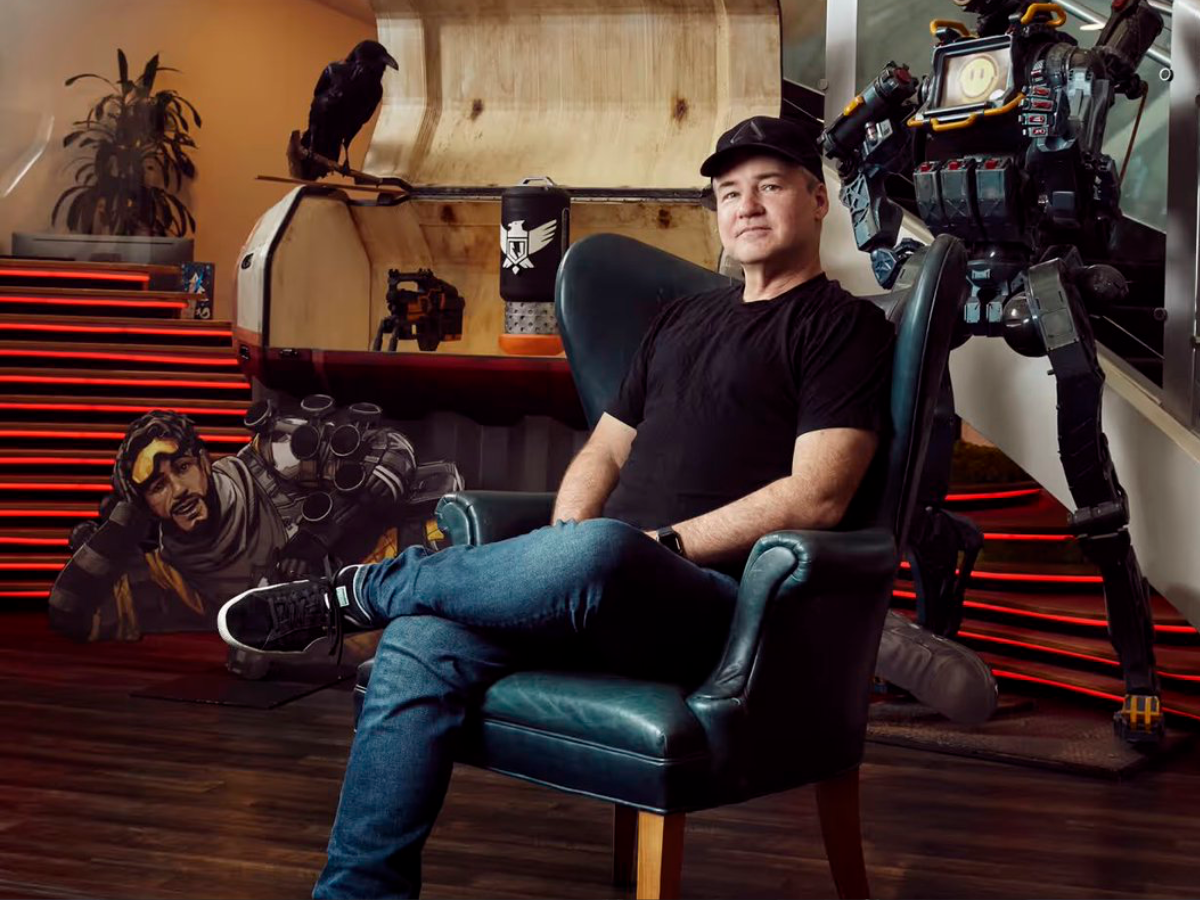
Vince Zampella's career spanned over two decades and touched virtually every corner of the gaming industry. His contributions include:
- Pioneering Modern Military Shooters: From Medal of Honor to Call of Duty, Zampella helped define the military shooter genre
- Creating Industry-Leading Studios: Both Infinity Ward and Respawn Entertainment became gold standards for development excellence
- Mentoring Talent: Countless developers credit Zampella with giving them opportunities to grow and innovate
- Cross-Genre Success: From competitive multiplayer to narrative single-player experiences, his studios excelled across genres
- Live Service Innovation: Apex Legends demonstrated how free-to-play games could maintain quality and player respect
Electronic Arts released a statement calling Zampella "a friend, colleague, leader and visionary creator" whose influence on the video game industry "was profound and far-reaching".
The Industry Responds
Following news of his passing, tributes poured in from across the gaming community. The Game Awards, Respawn Entertainment, Infinity Ward, Activision, and countless individual developers and players shared memories and expressed their grief. His impact extended far beyond the games he created to touch the lives of millions of players and the careers of thousands of developers.
A Visionary Remembered
Vince Zampella's legacy in gaming is secured not just through the franchises he created, but through the way he approached game development with passion, creativity, and respect for both his teams and players. From revolutionizing first-person shooters with Call of Duty to creating new experiences with Titanfall, Apex Legends, and Star Wars Jedi, his work shaped how modern games are made and how players connect.
The gaming industry has lost one of its greatest visionaries, but Zampella's influence will continue shaping interactive entertainment for generations to come. Every player who picks up a controller, every developer who pursues their creative vision, and every blockbuster shooter released in the future will carry a piece of Vince Zampella's remarkable legacy.
Rest in peace, Vince Zampella (October 1, 1970 – December 21, 2025). Your games, your visionand your impact on millions of lives will never be forgotten.
previous
IQ, EQ and SQ: Why Education Ignores the Third Axis
next
Elder Voices of the Millennium: William Kentridge
Share this

Sara Srifi
Sara is a Software Engineering and Business student with a passion for astronomy, cultural studies, and human-centered storytelling. She explores the quiet intersections between science, identity, and imagination, reflecting on how space, art, and society shape the way we understand ourselves and the world around us. Her writing draws on curiosity and lived experience to bridge disciplines and spark dialogue across cultures.
More Articles

Blenheim Palace Brings Megalosaurus to Life Through Art, Science and Engineering

Architecture of Movement: What Deserts, Nomads and World Heritage Teach Us About Belonging

The Spiritual Meaning of the AI Singularity: What Remains Human in the Age of Artificial Intelligence?

Geometry or Pixels: Where Generative Video Belongs in a 3D Pipeline

AI Love? 50+ Million People Are Dating AI Agents
About
Where Wisdom Meets AI Utopia Edutainment
Wisdomia.ai is a 3D AI edutainment platform that seamlessly blends learning with immersive play. As the first AI-powered 3D Web 3.0 marketplace created by creators for creators. Founded by renowned serial entrepreneur and author Dinis Guarda, Wisdomia empowers individuals to flourish in an ecosystem designed for collective wisdom EQ. Join us in shaping humanity's future as we harness the power of AI to visualise and create a better world—where technology serves human potential, and innovation is guided by utopian wisdom.
Contact us
Produced by

