
loading...
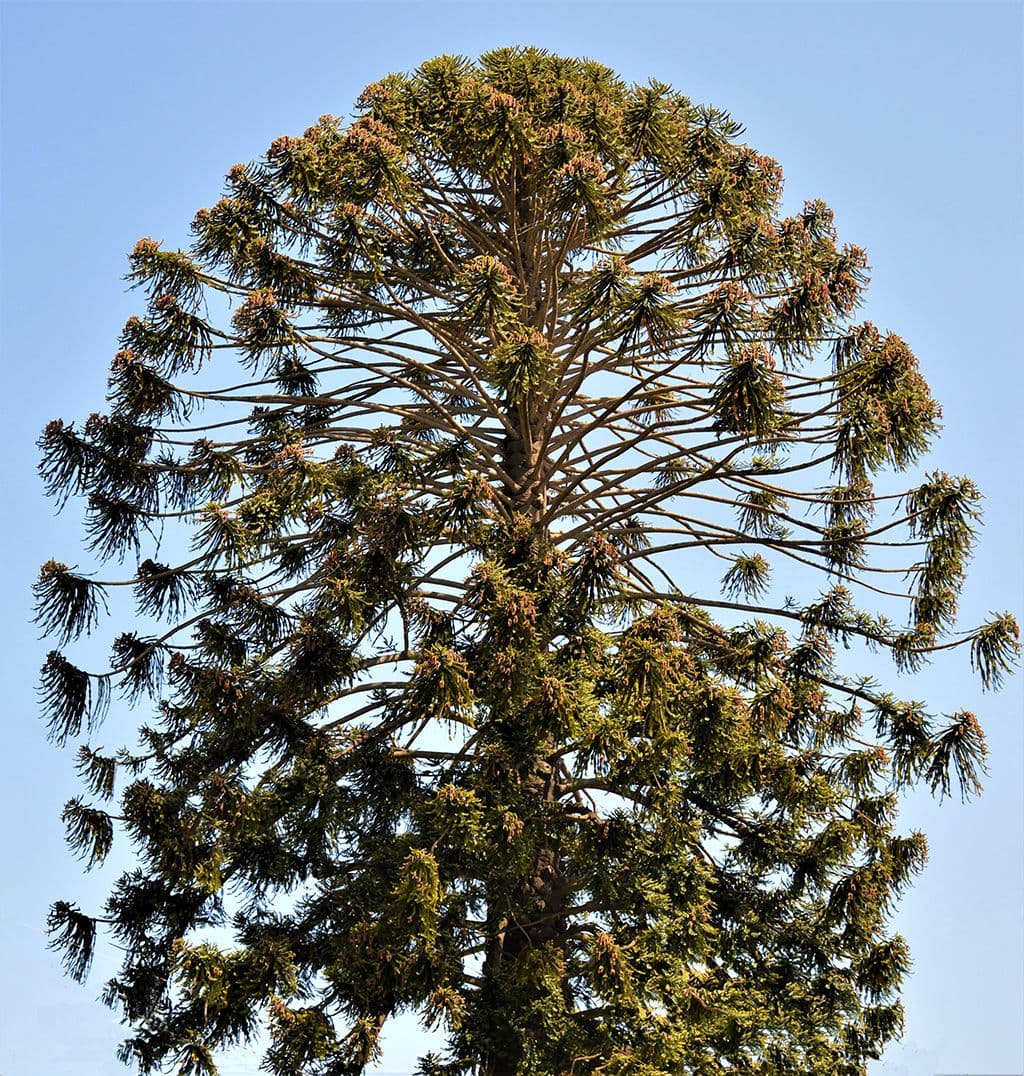


The Bunya Pine is a large evergreen coniferous tree, native to southeastern Queensland, Australia. It is a unique plant with a dome-shaped crown and can reach up to 45 meters in height. It produces large cones with edible seeds and has a lifespan of about 600 years.
Summary
The Bunya Pine, scientifically known as Araucaria bidwillii, is a unique evergreen tree that is native to the eastern parts of Australia. It is known for its distinctive symmetrical growth, massive size, and the large, edible seeds it produces. This tree is part of the Araucariaceae family, which is a group of coniferous trees that have been around for millions of years, dating back to the Jurassic period. These trees are considered living fossils because they have remained virtually unchanged over the course of their existence.
The Bunya Pine can grow up to 30 to 45 meters in height, with some specimens reaching up to 60 meters. The tree has a straight, columnar trunk and a dense, dome-shaped crown. The bark of the Bunya Pine is rough and cork-like, providing protection from fires. The branches of the tree are arranged in whorls around the trunk, giving it a symmetrical appearance. The leaves are dark green, stiff, and sharp-pointed. The younger leaves are softer and more flexible than the older ones.
Bunya Pines produce large, football-sized cones that contain edible seeds. These cones can weigh up to 10 kilograms and contain between 50 to 100 seeds. The seeds are surrounded by a hard, woody shell that splits open when the seeds are mature. The seeds themselves are large, about the size of a small potato, and have a nutty, sweet flavor. In the past, Indigenous Australians relied on these seeds as a major food source. They would hold large gatherings, known as Bunya Feasts, when the trees were fruiting.
Today, Bunya Pines are grown for ornamental purposes in parks and gardens due to their striking appearance and historical significance. They are also planted for their timber, which is used in construction, furniture making, and for crafting musical instruments. The trees are resistant to pests and diseases, making them a robust and low-maintenance choice for landscaping. Despite their broad range of uses, Bunya Pines are slow-growing trees and can take many years to reach maturity.
Despite being native to Australia, Bunya Pines have been introduced to other parts of the world, including Europe, North America, and New Zealand. They are able to adapt to a variety of climates and can tolerate temperatures down to -8 degrees Celsius. However, they prefer a subtropical climate with well-drained soil and plenty of sunlight. In terms of reproduction, Bunya Pines are monoecious, meaning that they have both male and female cones on the same tree. The male cones are small and elongated, while the female cones are large and globular.
The Bunya Pine is a significant tree in Aboriginal culture. The tree and its seeds were a source of food, materials, and spiritual significance. During the Bunya Feast, tribes would gather in areas where the trees were plentiful. They would harvest the cones, roast the seeds, and feast upon them. It was a time of peace, where disputes were set aside and tribes would engage in trade, marriages, and ceremonies. The gatherings were so important that they were one of the few instances where the normally strict territorial boundaries were relaxed.
From an ecological perspective, the Bunya Pine plays a crucial role in its ecosystem. It provides habitat for a variety of birds and animals, including possums and cockatoos, who feed on the seeds. The tree's large size and dense foliage also provide shelter for many species. Additionally, the Bunya Pine contributes to the biodiversity of the region and aids in soil conservation. It's no wonder that this tree is often referred to as the king of the forest.
In conclusion, the Bunya Pine is a remarkable tree that has stood the test of time. It serves as a symbol of endurance and adaptability, having survived millions of years through changing climates and human activities. Its distinct shape, large size, and edible seeds make it a tree like no other. While it may take a long time for a Bunya Pine to grow and mature, the benefits it provides, both culturally and ecologically, are well worth the wait.
Human Use and Interaction
The Bunya Pine, a majestic Australian tree, has had a profound impact on human interaction and use. Its scientific name, Araucaria bidwillii, is a testament to its unique, cone-like structure and its ability to withstand harsh climates. The Bunya Pine not only has ecological significance, but also holds cultural, historical, and economic importance for indigenous communities and modern societies.
Historically, Indigenous Australians have held the Bunya Pine in high regard. Its nuts, which are encased in a large, spiky cone, have been a vital food source for indigenous communities for thousands of years. These nuts can be eaten raw or cooked, and have a taste similar to a chestnut. The arrival of the bunya nut season was a cause for celebration and feasting among indigenous tribes. These gatherings, known as Bunya Feasts, brought together different tribes in a spirit of cooperation and unity. They would exchange goods, settle disputes, and engage in ceremonies and games. The significance of these events is so profound that the Queensland government has recognized them as an integral part of indigenous cultural heritage.
In addition to being a food source, the Bunya Pine has also been instrumental in indigenous craftsmanship. The indigenous tribes used the timber from the Bunya Pine to construct various tools and weapons. The bark of the tree was used to make canoes and shields, while the wood was carved into boomerangs and spears. The tree sap was used as a glue or sealant, and the leaves were used for weaving baskets and mats. These practices highlight the resourcefulness of indigenous communities and their deep respect for nature.
In modern times, the Bunya Pine continues to be of great value. Its ornamental appeal makes it a popular choice for parks, gardens, and streetscapes. It is also commercially cultivated for its timber, which is known for its durability and resistance to termites. The timber is used in construction, furniture making, and boat building. Moreover, the Bunya Pine’s ability to absorb large amounts of carbon dioxide makes it an important player in combating climate change.
Interestingly, the Bunya Pine is also making its mark in the culinary world. The bunya nut, once a staple food for indigenous communities, is now being rediscovered by chefs and food enthusiasts. It is being used in a variety of dishes, from salads and soups to desserts and beverages. The nut's high nutritional content, which includes protein, potassium, magnesium, and zinc, adds to its appeal.
Despite its many uses, the Bunya Pine is not without challenges. Its conservation status is considered vulnerable due to habitat loss and climate change. Efforts are being made to protect and conserve the Bunya Pine, with a focus on sustainable use. For example, the collection of bunya nuts in public places is regulated to ensure the tree's survival and the continuation of its cultural significance.
In conclusion, the Bunya Pine is a testament to the intricate relationship between humans and nature. Its historical, cultural, and economic importance underscores the need for its preservation. As we continue to discover new uses for the Bunya Pine, it is crucial that we also maintain a balance with nature and respect its sustainability. The Bunya Pine is not just a tree, but a symbol of heritage, resilience, and the enduring bond between humans and the natural world.
Cultural and Symbolic Significance
The Bunya Pine tree, scientifically known as Araucaria Bidwillii, holds a significant place in the culture and symbolism of various communities, particularly indigenous Australian communities. It is native to southeastern Queensland, Australia and is known for its impressive height, which can exceed 45 meters, and its distinctive symmetrical dome-shaped crown. The tree is named after John Bunya Bidwill, a notable botanical collector. However, its cultural significance predates its western naming.
The Bunya Pine was, and remains, a vital resource for many Aboriginal communities. The tree serves a range of purposes, from providing food to being a central part of community gatherings. The large seeds of the Bunya Pine, known as Bunya nuts, are a rich source of carbohydrates and proteins. These were traditionally collected by Aboriginal people during the Bunya season, which typically occurs from January to March. The nuts were eaten both raw and cooked, often being ground into a flour to make bread.
However, the Bunya Pine tree's significance extends beyond its nutritional value. It also played an essential role in the social and ceremonial life of Aboriginal communities. During the Bunya season, various tribes would travel great distances to gather in the areas where these trees were abundant. These gatherings were known as Bunya feasts or Bunya festivals, during which, tribal laws were temporarily suspended to allow peaceful interaction between different tribes. Therefore, the Bunya Pine tree symbolizes peace, unity, and cooperation.
These festivals were not only occasions for feasting but also for arranging marriages, resolving disputes, and conducting trade. They were significant cultural events that fostered social cohesion and the exchange of ideas and goods. The Bunya Pine tree, therefore, is a symbol of community, connection, and cultural continuity. It stands as a testament to the complex social structures and sophisticated cultural practices of the Aboriginal people.
Moreover, the Bunya Pine tree is also associated with spiritual beliefs. Some Aboriginal communities believe that the spirits of their ancestors reside in these trees. Thus, they are considered sacred and are often protected. The trees are also thought to have healing properties and are used in traditional medicine. In this context, the Bunya Pine tree symbolizes the ancestral connection, spirituality, and the holistic approach to health and well-being in Aboriginal culture.
Today, the Bunya Pine tree continues to hold cultural significance. It is often planted in parks and gardens for its aesthetic appeal and as a symbol of the rich Aboriginal heritage. The tree is also legally protected in many areas due to its cultural and ecological importance. Furthermore, contemporary Bunya festivals are held to celebrate the cultural history associated with the tree and to foster a sense of community and mutual respect among diverse groups of people.
In addition to its cultural significance, the Bunya Pine tree also has symbolic significance in the broader context. Its towering height and longevity often symbolize strength, resilience, and endurance. The tree’s distinctive dome-shaped crown can be seen as a symbol of unity and wholeness. Moreover, as a native Australian species, the Bunya Pine tree stands as a symbol of the unique biodiversity and rich ecological heritage of the continent.
In conclusion, the Bunya Pine tree is not just a plant species; it is a powerful symbol that embodies various aspects of cultural identity, community ties, ancestral connection, and spiritual beliefs. Its significance is deeply rooted in the history and culture of the indigenous Australian communities, and it continues to be revered and protected to this day. The Bunya Pine tree serves as a reminder of the rich cultural heritage and the timeless values of unity, peace, and respect for nature that are as relevant today as they were in the past.
Aesthetic and Experiential
The Bunya Pine is a majestic tree that commands attention and admiration. Its aesthetic is defined by its towering height, distinctively shaped canopy, and the unique, large cones it produces. More than just a visual spectacle, the Bunya Pine provides an immersive and engaging experiential journey for those who interact with it.
The Bunya Pine, or Araucaria bidwillii, is native to Australia, specifically the Bunya Mountains in Queensland. It can grow up to 45 metres tall, making it a striking feature in any landscape. Its bark is rough and grey-brown, contrasting with the vibrant green of its foliage. The branches grow in whorls, creating a symmetrical, tiered silhouette that is both elegant and imposing.
The tree's aesthetic appeal is further enhanced by its cones, which are large and impressive. Each cone can weigh up to 10 kg and contains up to 100 edible seeds. These cones, along with the tree's distinctive silhouette, make the Bunya Pine a standout feature in any garden or park, drawing the eye and sparking curiosity.
But the Bunya Pine is more than just a visual feast. It offers a multisensory experience that engages the sight, touch, smell, and even taste. The rough texture of the bark, the cool shade under the tree, the rustling sound of the wind through the branches, the distinctive scent of pine - all these contribute to an immersive experience that is uniquely Bunya Pine.
Moreover, the Bunya Pine plays a significant role in the indigenous culture of Australia, adding another layer to its experiential aspect. For the Aboriginal people, the Bunya Pine is a source of food, timber, and spiritual significance. The ripening of the cones signals the time for the Bunya Feast, a major social event where people gather to exchange goods, settle disputes, and engage in ceremonies. Interacting with the Bunya Pine, therefore, is not just about appreciating its physical beauty, but also about connecting with a rich cultural history.
On a broader scale, the Bunya Pine contributes to biodiversity and environmental sustainability. It provides habitat for various bird species, and its seeds are a food source for wildlife. The tree's large size and long life-span make it an effective carbon sink, helping to mitigate climate change. These ecological roles add to the experiential value of the Bunya Pine, as they allow us to appreciate the interconnectedness of nature and our role in preserving it.
In landscaping and garden design, the Bunya Pine is often used as a focal point due to its size and distinctive shape. It lends an air of grandeur and timelessness, and its evergreen nature ensures year-round beauty. However, due to its large size and the potential hazard posed by its heavy cones, it is best suited for spacious areas and should be planted away from buildings and high-traffic areas.
For those who have the opportunity to interact with a Bunya Pine, the experience is often awe-inspiring. It is not just about seeing a tree, but about engaging with a living organism that has stood the test of time, that has served as a cornerstone of a culture, and that continues to play a crucial role in our ecosystem. The aesthetic beauty of the Bunya Pine is undeniable, but its true charm lies in the rich, multisensory experiences it offers and the profound connections it allows us to make.
In conclusion, the Bunya Pine is a magnificent embodiment of the interplay between aesthetic and experiential. Its commanding presence, unique features, and cultural and ecological significance all contribute to an experience that is both visually stunning and deeply engaging. Whether you are a nature enthusiast, a gardener, or someone who appreciates beauty and history, the Bunya Pine offers a myriad of ways to delight your senses and enrich your understanding of the world.
References
Share with friends
The Bunya Pine is a large evergreen coniferous tree, native to southeastern Queensland, Australia. It is a unique plant with a dome-shaped crown and can reach up to 45 meters in height. It produces large cones with edible seeds and has a lifespan of about 600 years.
Common Name
Bunya Pine
Scientific Name
Araucaria bidwillii
Family
Araucariaceae
Native Region / Habitat
Australia
Tree Type
Evergreen
Lifespan / Age Range
Up to 600 years
Growth Habit
Large, dome-shaped crown
Leaves / Foliage Description
Needle-like, dark green, stiff and sharply pointed
Trunk
Straight and cylindrical, covered with rough, scaly bark
Fruit / Flowering Characteristics
Large cones, up to 30 cm in diameter, containing edible seeds
Ecological Role
Provides habitat and food for wildlife, contributes to soil stability and water quality
Related Trees of The World


About
Where Wisdom Meets AI Utopia Edutainment
Wisdomia.ai is a 3D AI edutainment platform that seamlessly blends learning with immersive play. As the first AI-powered 3D Web 3.0 marketplace created by creators for creators. Founded by renowned serial entrepreneur and author Dinis Guarda, Wisdomia empowers individuals to flourish in an ecosystem designed for collective wisdom EQ. Join us in shaping humanity's future as we harness the power of AI to visualise and create a better world—where technology serves human potential, and innovation is guided by utopian wisdom.
Contact us
Produced by

