
loading...
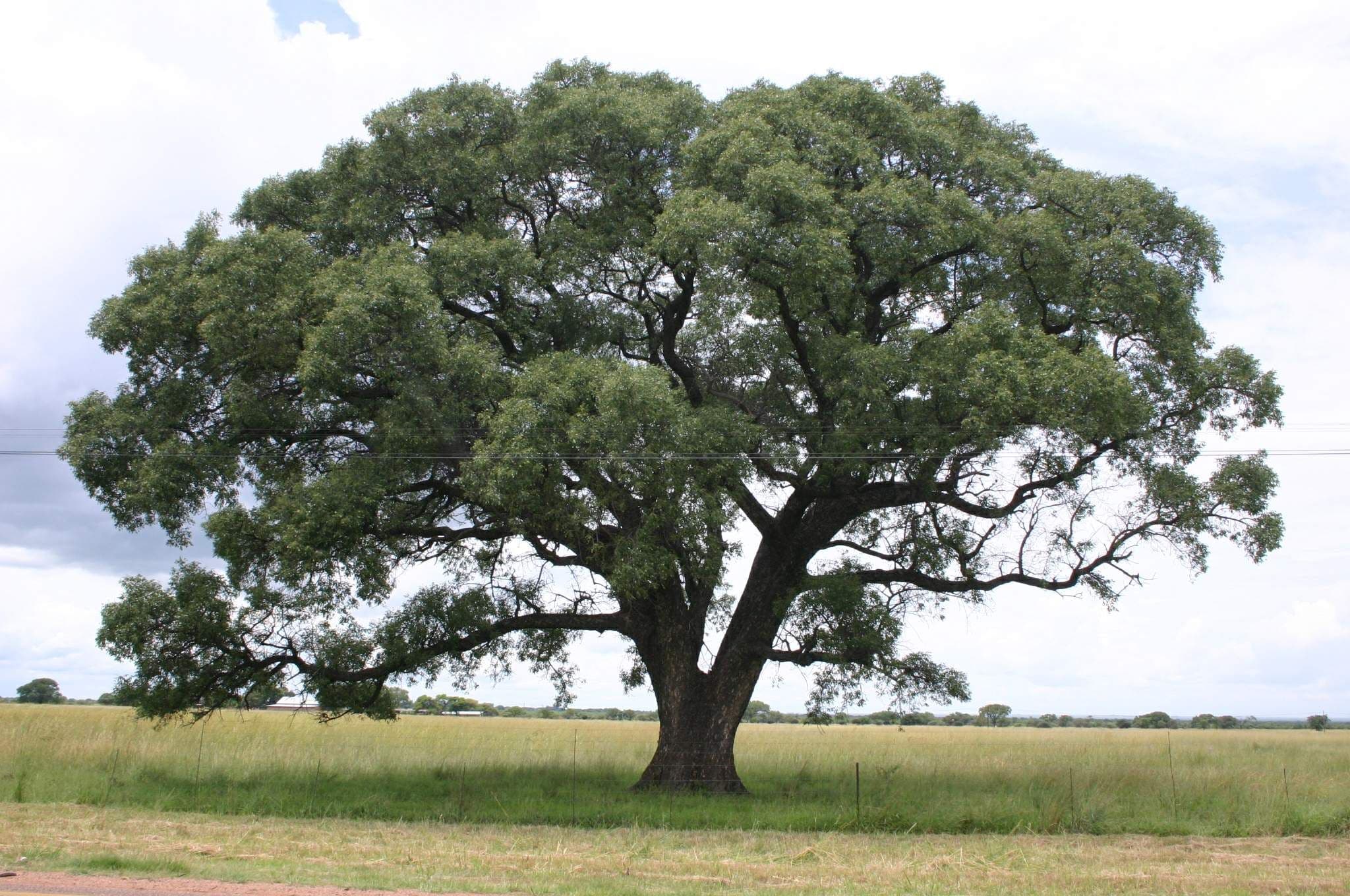


The Marula Tree is a medium-sized deciduous tree that reaches heights between 15-20 meters. The tree is known for its yellow fruits which are used in making the popular drink, Amarula cream liqueur.
Summary
The Marula tree, scientifically known as Sclerocarya birrea, is a wild African fruit tree found predominantly in the miombo woodlands of Southern Africa, Madagascar, and the Sahel region of West Africa. It is a deciduous tree that goes by various names such as the Elephant tree, Jelly Plum, or Cat Thorn, among others. The tree is esteemed for its economic, medicinal, and cultural significance, playing a vital role in the lives of many people across the African continent.
The Marula tree is a medium-sized tree, typically growing to a height of 15 to 20 meters, with a spreading crown. It has a characteristic grey, mottled bark, peeling in disc-shaped flakes. The tree blooms with small, fragrant flowers, which are followed by large, round fruits. These fruits have a tough outer skin, a juicy, edible flesh, and a hard inner stone which houses the seeds.
The Marula fruit is highly nutritious, rich in vitamin C, potassium, calcium, and magnesium. The fruit is consumed both fresh and in a variety of processed forms. It can be made into juice, jam, jelly, and alcoholic beverages such as the famous Amarula cream liqueur. The fruit is also used in the production of oils, used in cosmetics and food products. The seeds, on the other hand, are a good source of protein and are often eaten raw or roasted.
The Marula tree has a long lifespan, often surviving for over a century. It is a hardy drought-resistant tree, capable of withstanding harsh climatic conditions. The tree plays a key role in the ecosystem, providing habitat and food for a variety of wildlife. Elephants, in particular, have a fondness for the Marula fruit and often travel long distances to feed on them.
In addition to its nutritional and ecological significance, the Marula tree has a deep cultural and spiritual significance. It is often considered a sacred tree in many African cultures, associated with fertility and used in various rituals and ceremonies. The tree is also believed to possess medicinal properties, with different parts of the tree used in traditional medicine to treat a range of ailments including malaria, dysentery, and insect bites.
Despite its numerous benefits, the Marula tree is threatened by deforestation and overexploitation. Efforts are being made to promote sustainable use and conservation of the Marula tree. These efforts include community-based management programs, which aim to involve local communities in the conservation and sustainable use of the tree, ensuring both the survival of the tree and the livelihood of the people who depend on it.
Research on the Marula tree is ongoing, with scientists exploring its potential uses in various fields. These include its potential as a source of biofuel, its use in reforestation efforts, and its potential medicinal properties. The tree's ability to withstand drought conditions also makes it a valuable resource in the face of climate change.
In conclusion, the Marula tree is an iconic African tree, revered for its many uses and its role in the ecosystem. Its fruit, wood, and other parts are utilized for a variety of purposes, from food and drink to medicine and cosmetics. However, the tree's future is uncertain due to threats such as deforestation and overexploitation. Concerted efforts are needed to ensure the survival of this remarkable tree, for the benefit of both the people and wildlife that depend on it.
Human Use and Interaction
The Marula Tree, scientifically known as Sclerocarya birrea, is a deciduous tree that is native to the southern regions of Africa. This tree has been a source of sustenance and economic support for the African people for centuries. The Marula tree is a vital resource to the human communities that coexist with it, providing food, medicine, and materials for various uses.
The tree is known for its fruits, which are eaten either fresh or fermented into a popular alcoholic beverage known as Marula beer or wine. The fruits are rich in Vitamin C, providing up to four times the amount found in oranges. They are also a good source of other nutrients, including potassium, calcium, and magnesium. The Marula fruits are a major food source for many rural communities, especially during the dry seasons when other food sources are scarce. They are also sold in local markets, contributing to the local economy.
Another product derived from the Marula tree is the Marula oil, which is extracted from the kernel within the fruit. The oil is highly valued for its rich nutritional content, including high levels of antioxidants and oleic acid. This oil is used in the cosmetic industry for the production of skin and hair care products. It is also used in traditional medicine for its healing properties, and in the food industry, it is used as a cooking oil.
The bark of the Marula tree is also used by local communities for various purposes. It is used in traditional medicine to treat various ailments, such as dysentery, diarrhea, and rheumatism. The bark is also used in the tanning of hides, and its fibers are used to make ropes, mats, and baskets. The wood of the Marula tree is also used for making furniture and utensils.
Aside from its direct uses, the Marula tree also plays a significant role in the ecosystem. It serves as a source of food and shelter for a variety of wildlife, including elephants, giraffes, and monkeys. The tree also plays a vital role in soil conservation, helping to prevent soil erosion and maintain soil fertility, which is crucial for agriculture.
The Marula tree also holds cultural significance among the African communities. The tree is often considered sacred and is used in various rituals and ceremonies. For instance, in some communities, the tree is associated with fertility and is used in rituals to ensure a good harvest, or in rites of passage ceremonies.
However, the Marula tree is facing threats from deforestation and over-exploitation. The high demand for Marula products, especially the oil, has led to the over-harvesting of the trees, threatening their sustainability. Furthermore, the expansion of agriculture and urban development has led to the loss of Marula tree habitats, further endangering the species.
Several conservation efforts are being undertaken to protect the Marula tree. These include the promotion of sustainable harvesting practices, the establishment of Marula tree plantations, and the enactment of laws and regulations to protect the tree. There are also initiatives to educate local communities about the importance of the Marula tree and the need for its conservation.
In conclusion, the Marula tree is a vital resource for the African communities, providing food, medicine, and materials for various uses. It plays a significant role in the ecosystem, serving as a source of food and shelter for wildlife, and plays a crucial role in soil conservation. However, the tree is facing threats from deforestation and over-exploitation, and conservation efforts are needed to ensure its survival.
Cultural and Symbolic Significance
The Marula tree, scientifically known as Sclerocarya birrea, holds a place of great cultural and symbolic significance in many societies across Africa. It is a highly revered tree, often regarded as sacred, and its fruits, leaves, bark, and even the tree itself, are deeply woven into the social, economic, and spiritual fabric of numerous African cultures.
In many African societies, the Marula tree is often associated with fertility and happy marriages. It is a common belief among the Venda people of South Africa that the Marula tree is a marriage counselor. They believe that disputes between couples can be peacefully resolved under the shade of this tree. The tree is also symbolically significant in traditional wedding ceremonies. For instance, among the Tsonga people of Mozambique and South Africa, it is customary for the bride to carry Marula fruit to her new home as a symbol of fertility.
The Marula tree also holds a significant place in the spiritual practices of many African cultures. The tree is often regarded as a kind of spiritual intermediary, connecting the people with their ancestors. This is particularly evident among the Bantu-speaking people of Southern Africa, who regard the Marula tree as a sacred symbol of the continuity of life. They believe that the spirits of their ancestors reside in the Marula tree, and it is to this tree they turn when they seek guidance, protection, or blessings from their ancestors. The tree is also used in traditional healing practices. For instance, among the Zulu people of South Africa, the bark of the Marula tree is used in the treatment of various ailments, including malaria and dysentery. The tree is believed to possess powerful medicinal properties, and its use is often accompanied by rituals intended to invoke the spiritual power of the tree.
In addition to its spiritual and symbolic significance, the Marula tree also has immense economic value. The fruits of the Marula tree are rich in vitamin C and are often used to make jams, juices, and even alcoholic beverages. The most famous of these is Amarula, a cream liqueur made from the fruits of the Marula tree, which is popular across the world. The oil extracted from the kernel of the Marula fruit is also highly valued for its cosmetic properties. It is rich in antioxidants and essential fatty acids, which makes it an excellent skin moisturizer. It is widely used in the cosmetic industry and is often touted as a miracle oil for the skin. The wood of the Marula tree is also used for making furniture, tool handles, and other household items.
Despite its immense cultural, symbolic, and economic significance, the Marula tree is also a symbol of resilience. It is a drought-resistant tree that can thrive in harsh, arid conditions. This has made it a symbol of strength and endurance in many African cultures. For instance, among the Shona people of Zimbabwe, the Marula tree is often used as a symbol of the resilience of the human spirit in the face of adversity.
In conclusion, the Marula tree holds a place of great significance in many African cultures. Its symbolism stretches from fertility and marriage to spiritual intermediary and symbol of resilience. Its economic value adds to its importance, providing food, medicine, and materials for various uses. The Marula tree is indeed a tree of life, deeply rooted in the cultural, spiritual, and economic life of many African societies. Its significance is a testament to the intricate relationships between people and their natural environment, and the deep respect and reverence they hold for the trees that sustain them.
Aesthetic and Experiential
The Marula tree, scientifically known as Sclerocarya birrea, is an indigenous African tree with a strong aesthetic and experiential presence. It is a deciduous tree that grows up to 18 meters tall and is characterized by its grey mottled bark, which peels off in disc-shaped flakes, revealing a yellow underbark. The tree has a rounded crown, and branches that spread out widely, providing a generous shade. The leaves are imparipinnate, and the leaflets are light green and have a shiny surface, which adds to the overall aesthetic appeal of the tree.
The Marula tree is known for its fruits, which are yellow when ripe and have a unique sweet-sour taste that is loved by both humans and animals. The fruits are used to make the famous Amarula cream liqueur. The tree is also known for its beautiful flowers, which are small, greenish-white, and smell sweet. The flowers attract a variety of insects and birds, adding to the lively experience around the tree.
Marula trees are native to the woodlands of Southern Africa, and they have adapted well to the harsh conditions. They can survive in both well-drained and clayey soils, and can tolerate drought to a significant extent. This makes them a common sight in the dry savannah regions. The sight of a solitary Marula tree standing tall and strong in the vast African savannah is a sight to behold. It is a symbol of resilience and strength, and it adds a touch of wild beauty to the landscape.
The Marula tree has cultural significance in the African communities. It is considered a sacred tree in some cultures, and it is often associated with fertility and happy marriages. The fruits are used in various traditional ceremonies and rituals. The tree is also used for its medicinal properties. The bark, leaves, and roots are used to treat various ailments, and the oil extracted from the fruit kernels is used for its skin healing and moisturizing properties.
The Marula tree provides a unique sensory experience. The sight of the tree, with its wide-spreading branches and grey mottled bark, is pleasing to the eyes. The sweet smell of the flowers and the unique taste of the fruits engage the sense of smell and taste. The sound of birds and insects that are attracted to the tree, and the rustling of leaves in the wind, engage the sense of hearing. Touching the rough bark, the smooth leaves, and the soft fruits engage the sense of touch.
The Marula tree is also a source of livelihood for many rural communities. The fruits, oil, and wood are commercially valuable. The fruits are used to make jams, juices, and alcoholic beverages. The oil is used in the cosmetic industry for its skin beneficial properties. The wood is used for making furniture and other items. The tree also provides fodder for livestock and wildlife.
In conclusion, the Marula tree is not just a tree. It is an aesthetic masterpiece, a sensory delight, a cultural symbol, a medicinal resource, and a source of livelihood. It is a tree that tells a story. A story of resilience, of survival, of life. It is a testimony to the beauty and wonder of nature. The Marula tree truly is a tree of life.
References
Share with friends
The Marula Tree is a medium-sized deciduous tree that reaches heights between 15-20 meters. The tree is known for its yellow fruits which are used in making the popular drink, Amarula cream liqueur.
Common Name
Marula Tree
Scientific Name
Sclerocarya birrea
Family
Anacardiaceae
Native Region / Habitat
Southern Africa
Tree Type
Deciduous
Lifespan / Age Range
Over 100 years
Growth Habit
Domed crown with spreading branches
Leaves / Foliage Description
Compound, grey-green, and are arranged in opposite pairs
Trunk
Rough, grey-brown, and can reach a diameter of 1.2 meters
Fruit / Flowering Characteristics
Yellow, oval, contains a hard nut with edible kernels
Ecological Role
Provides food and shelter for a wide range of mammals and birds. The fruit is also important in the production of alcohol and cosmetics
Related Trees of The World


About
Where Wisdom Meets AI Utopia Edutainment
Wisdomia.ai is a 3D AI edutainment platform that seamlessly blends learning with immersive play. As the first AI-powered 3D Web 3.0 marketplace created by creators for creators. Founded by renowned serial entrepreneur and author Dinis Guarda, Wisdomia empowers individuals to flourish in an ecosystem designed for collective wisdom EQ. Join us in shaping humanity's future as we harness the power of AI to visualise and create a better world—where technology serves human potential, and innovation is guided by utopian wisdom.
Contact us
Produced by

