
loading...
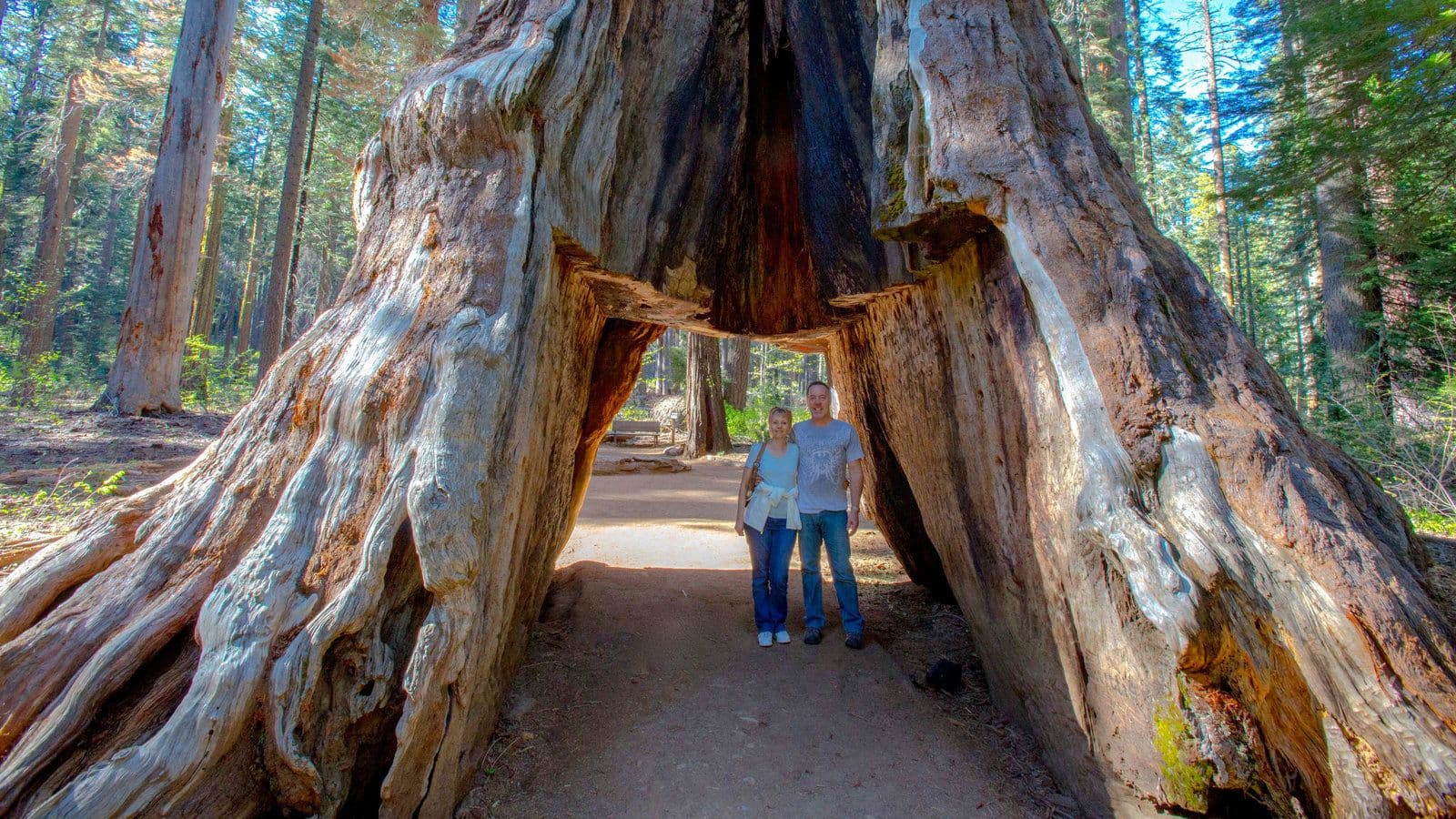


The Giant Sequoia is the world's largest tree by volume and is one of the oldest living organisms on Earth, with certain individuals over 3,000 years old. These massive trees are well known for their impressive height and girth.
Summary
The Giant Sequoia, also known as Sequoiadendron giganteum, is one of the most impressive and majestic trees on Earth. Native to western North America, particularly in the Sierra Nevada of California, these trees are known for their incredible size. In fact, they are the worlds largest trees by volume, with the largest known Giant Sequoia, the General Sherman tree, standing 275 feet tall and having a diameter of 36 feet at its base.
The Giant Sequoia is a species of evergreen tree in the cypress family Cupressaceae. They are closely related to the coastal redwoods (Sequoia sempervirens), which are the tallest trees in the world. However, while coastal redwoods tend to be taller and more slender, Giant Sequoias are typically wider and bulkier.
Giant Sequoias have a distinctive, reddish-brown bark that is unusually fire resistant. This is an important adaptation, as fire plays a crucial role in the life cycle of these trees. Natural forest fires help to clear away competing vegetation and allow the Giant Sequoia's seeds to germinate. The trees are also known for their longevity, with many individuals living for more than 3,000 years.
The seeds of the Giant Sequoia are extremely small, about the size of a grain of oatmeal. Despite their small size, these seeds are capable of producing the massive trees that make up some of the oldest living organisms on the planet. The cones of the Giant Sequoia, which house the seeds, typically mature in 20 to 24 months, with most seeds being dispersed by the wind.
Historically, logging of Giant Sequoias took place in the late 19th and early 20th centuries. However, due to the trees' size, the wood was often shattered upon falling, making it less valuable. Today, most of the remaining Giant Sequoias are protected within national parks and forests.
Despite their size and strength, Giant Sequoias are susceptible to certain threats. Climate change, in particular, poses a significant risk. Changes in temperature and precipitation patterns could affect the trees' health and survival. Pests and disease also pose risks. Despite these threats, conservation efforts are ongoing to protect and preserve these iconic trees.
The Giant Sequoia is a symbol of the enduring power of nature. It represents resilience, strength, and longevity. Despite the challenges they face, these trees continue to grow, reaching skyward in a testament to life's ability to endure. They remind us of our responsibility to protect and preserve the natural world for future generations.
Visiting a grove of Giant Sequoias is an awe-inspiring experience. Their sheer size and grandeur are humbling, reminding us of our place in the natural world. Whether standing at the base of one of these giants or walking among a grove, the experience is one that leaves a lasting impression.
In conclusion, the Giant Sequoia is one of the most remarkable species on our planet. They are living monuments to the immense power and resilience of the natural world. From their fire-resistant bark to their incredible longevity, every aspect of these trees is a testament to survival in a sometimes harsh and unforgiving environment. As we look towards the future, it is our responsibility to ensure that these majestic trees continue to thrive for thousands of years to come.
Human Use and Interaction
The Giant Sequoia, or Sequoiadendron giganteum, is a species of coniferous tree found predominantly in the Sierra Nevada mountain range of California. Known for their immense size and longevity, these majestic trees are among the oldest and largest living organisms on Earth. Human interaction with the Giant Sequoia has been extensive, ranging from their use in the timber industry to their significance in environmental conservation and tourism.
Human use of the Giant Sequoia primarily started with the timber industry in the mid-19th century. The discovery of these colossal trees coincided with the California Gold Rush, which brought a wave of settlers to the region. These trees were initially seen as a vast resource of timber. However, the wood of the Giant Sequoia, while extensive in volume, turned out to be brittle, making it less suitable for construction than initially thought. Much of the wood ended up being used for purposes such as fencing and shingles, which did not fully utilize its potential.
Despite this, the logging of Giant Sequoias continued until the late 19th and early 20th centuries. The impact of this logging was immense, with vast tracts of ancient forest being felled. Estimates suggest that around 34% of the original Giant Sequoia population was lost due to logging. This had a significant impact on the local ecosystem and biodiversity, as these trees play a crucial role in their habitats.
Fortunately, recognition of the ecological value of the Giant Sequoia, along with its cultural and aesthetic appeal, led to efforts to conserve these magnificent trees. The establishment of Sequoia National Park in 1890 marked a turning point in the human interaction with these trees. This was the first park created to protect a living organism, highlighting the significance of the Giant Sequoia.
Today, the conservation of the Giant Sequoia is a key focus of environmental organizations and governmental bodies. These trees are protected within national parks and reserves, where they continue to awe visitors with their immense size and age. The Giant Sequoia is also increasingly being recognized for its potential role in combating climate change, due to its ability to sequester large amounts of carbon.
Aside from their ecological importance, Giant Sequoias have also become an iconic symbol of the natural beauty of California. They attract millions of tourists from around the world, who come to marvel at their size and ancientness. This has led to a thriving ecotourism industry, which brings significant economic benefits to the region.
The interaction between humans and the Giant Sequoia has not been entirely positive, however. The popularity of these trees has also brought challenges, such as the impact of increased visitor numbers on the health of the trees and their habitats. Issues such as soil compaction, pollution from car emissions, and the risk of fire are ongoing concerns that need to be managed carefully to ensure the long-term survival of these trees.
In conclusion, the Giant Sequoia has had a complex relationship with humanity. From being exploited for their timber, these trees are now valued for their ecological, cultural, and tourism value. The challenge for the future will be to balance the demands of human use with the need to preserve and protect these remarkable trees for generations to come.
It's worth noting that the Giant Sequoia is also a popular choice for urban and suburban landscaping, despite its potential size. Its resistance to disease and ability to withstand various climatic conditions make it a desirable choice for city parks and large gardens. However, due to its potential size, it's not recommended for small residential landscapes.
Scientific research and study are another aspect of human interaction with these majestic trees. Scientists from various disciplines, such as botany, ecology, and climatology, have studied Giant Sequoias to understand their growth patterns, ecological role, and response to environmental changes. These studies are crucial in shaping conservation strategies and understanding how these trees might respond to the challenges of climate change.
In the face of climate change and other environmental challenges, the role of the Giant Sequoia in carbon sequestration is increasingly being recognized. These trees, given their size and longevity, are capable of absorbing and storing significant amounts of carbon dioxide, a key greenhouse gas contributing to global warming. This aspect enhances the ecological value of the Giant Sequoia and emphasizes the importance of its conservation.
Despite their size and seeming invulnerability, Giant Sequoias are vulnerable to threats such as forest fires and climate change. Human-induced climate change poses a significant threat, as it can alter the conditions that these trees have adapted to over millennia. Forest fires, while a natural part of the ecosystem and important for the regeneration of these trees, can become destructive if they are too frequent or intense, as has been increasingly the case in recent years.
Cultural and Symbolic Significance
The giant sequoia, scientifically known as Sequoiadendron giganteum, holds immense cultural and symbolic significance across various societies worldwide. Known for their majestic size and longevity, these magnificent trees have inspired awe and reverence for centuries, symbolizing strength, resilience, and endurance.
In Native American cultures, particularly among the tribes inhabiting the Sierra Nevada region of California, the giant sequoia was a symbol of the divine. They believed that the trees housed spiritual entities and often held sacred ceremonies under them. The bark of the sequoia, which is fire-resistant, was used in traditional medicine and building materials. Moreover, the tree's towering height and size were seen as a reflection of spiritual power and wisdom.
With the arrival of European settlers, the giant sequoia's cultural significance expanded. They were seen as symbols of the vast, unspoiled American wilderness, prompting efforts to preserve and protect them. Sequoias became a symbol of national pride, with several trees given patriotic names such as 'General Sherman' and 'General Grant.' These trees were often featured in literature and art, further cementing their cultural importance.
In the modern world, the giant sequoia has become a symbol of environmental conservation. Their ability to survive for thousands of years, even amidst wildfires, serves as a reminder of nature's resilience. However, they are also vulnerable to climate change and deforestation, highlighting the urgent need for conservation efforts. The presence of these ancient trees in national parks and reserves around the world underscores this message.
Over the years, the giant sequoia has permeated popular culture in various forms. In literature, they are often portrayed as ancient guardians of the forest, symbolizing wisdom and timelessness. They have appeared in countless films, documentaries, and television shows, serving as awe-inspiring backdrops or significant plot elements. In music, the sequoia is a common metaphor for strength and longevity. In art, they have inspired countless paintings, photographs, and sculptures, reflecting their enduring aesthetic appeal.
On a more personal level, the giant sequoia holds symbolic significance for many individuals. For some, they represent personal growth and transformation, much like a tiny sequoia seed growing into a towering tree. For others, they symbolize stability and endurance, reflecting their ability to withstand adversities and thrive for centuries. Some people see them as symbols of hope and resilience, inspiring them to persevere in the face of challenges.
In the realm of spirituality and religion, the giant sequoia is often associated with eternal life due to its incredible lifespan. Some people believe that these trees carry ancient wisdom and spiritual energy, making them popular destinations for spiritual retreats and meditation. In certain New Age and pagan beliefs, the sequoia is considered a sacred tree, associated with healing, protection, and enlightenment.
Scientifically, the giant sequoia is a symbol of biodiversity and ecological balance. They play a crucial role in their ecosystems, providing habitat for various species and helping to regulate the climate. Their impressive ability to sequester carbon makes them important allies in the fight against climate change. Researchers and scientists often use sequoias as a reference point for studying environmental changes over time, further highlighting their symbolic importance in the scientific community.
In conclusion, the cultural and symbolic significance of the giant sequoia is multifaceted and expansive, transcending geographical boundaries and societal contexts. From spiritual symbols to national icons, from emblems of environmental conservation to metaphors for personal growth, the giant sequoia carries numerous meanings and associations. As we continue to grapple with environmental challenges and seek inspiration in nature, the symbolic power of the giant sequoia remains more relevant than ever.
Aesthetic and Experiential
The Giant Sequoia, known scientifically as Sequoiadendron giganteum, is an aesthetic marvel and offers unique experiential elements. The aesthetic appeal of these majestic trees is undeniable. They reach skyward, their reddish-brown bark contrasted against the blue of the sky and the green of the surrounding foliage. The bark, thick and deeply furrowed, adds texture and a sense of ruggedness to the landscape. Their massive trunks, which can measure up to 26 feet in diameter, and their high-reaching crowns, which can reach an astonishing 275 feet in height, create an awe-inspiring sight that is simply unparalleled in nature. The sheer size of these trees adds an element of scale that is almost impossible to comprehend without standing in their shadow.
The Giant Sequoias are not only aesthetically pleasing, but they also offer a unique and unforgettable sensory experience. The scent of the forest, the sounds of the wildlife that call these trees home, and the feeling of the bark under your hands all contribute to the overall experience. The forest where these trees reside is often quiet, offering a peaceful respite from the noise of modern life. The air is fresh and cool, scented with the aroma of the trees and the undergrowth. The sounds of the forest, from the rustling of the leaves in the wind to the calls of the birds, add an auditory element to the experience. Touching the bark of these trees, feeling the rough texture and the coolness of the shadowed side, is a tactile experience that connects you directly with nature.
Walking among these giants is like stepping back in time. The oldest known Giant Sequoia is estimated to be over 3,200 years old, making these trees living relics of the past. The experience of standing next to a tree that has stood for millennia is humbling and gives a deep sense of connection to the natural world. These trees have witnessed the rise and fall of civilizations, the birth and extinction of species, and countless natural events. Each tree is a living testament to the history of the planet.
The Giant Sequoias are not only beautiful to look at, but they also play a significant role in the ecosystem. They provide habitats for a variety of wildlife, from birds to insects to mammals. The ecosystems surrounding these trees are rich and diverse, contributing to the overall aesthetic appeal. The undergrowth is lush and varied, with ferns, mosses, and flowering plants providing a vibrant green carpet under the towering trees. The wildlife that resides in and around these trees adds movement and life to the landscape, further enhancing the aesthetic and experiential qualities of these forests.
The Giant Sequoias are also a source of inspiration. They inspire awe and wonder in their size and longevity. They inspire a sense of respect for the natural world and a desire to protect and preserve it. The sight of these trees, standing tall and steadfast, can evoke a range of emotions, from peace and tranquility to awe and wonder. They remind us of the majesty of nature and our small place within it.
Visiting a forest of Giant Sequoias is an experience that is not easily forgotten. The aesthetic appeal of these trees, their size and rugged beauty, is matched only by the unique sensory experiences they offer. From the scent of the forest to the sounds of the wildlife, the feel of the bark under your hands to the sight of their towering trunks and crowns, the Giant Sequoias offer an experience that engages all the senses. They are a testament to the power and beauty of nature, a living link to our planet's past, and a source of inspiration for the future.
References
Share with friends
The Giant Sequoia is the world's largest tree by volume and is one of the oldest living organisms on Earth, with certain individuals over 3,000 years old. These massive trees are well known for their impressive height and girth.
Common Name
Giant Sequoia
Scientific Name
Sequoiadendron giganteum
Family
Cupressaceae
Native Region / Habitat
Sierra Nevada mountain range in California, United States
Tree Type
Evergreen
Lifespan / Age Range
Over 3,000 years
Growth Habit
Rapid growth, with young trees adding 1 inch to their diameter each year
Leaves / Foliage Description
Awl-shaped, 0.15 to 0.31 inch long, and persist for more than 14 years
Trunk
Thick bark up to 3 feet deep, with a reddish-brown color
Fruit / Flowering Characteristics
Oval cones, 1.5 to 2.8 inches long
Ecological Role
Provides habitat for numerous birds and mammals, and plays a significant role in the forest's fire ecology
Related Trees of The World


About
Where Wisdom Meets AI Utopia Edutainment
Wisdomia.ai is a 3D AI edutainment platform that seamlessly blends learning with immersive play. As the first AI-powered 3D Web 3.0 marketplace created by creators for creators. Founded by renowned serial entrepreneur and author Dinis Guarda, Wisdomia empowers individuals to flourish in an ecosystem designed for collective wisdom EQ. Join us in shaping humanity's future as we harness the power of AI to visualise and create a better world—where technology serves human potential, and innovation is guided by utopian wisdom.
Contact us
Produced by

