
loading...
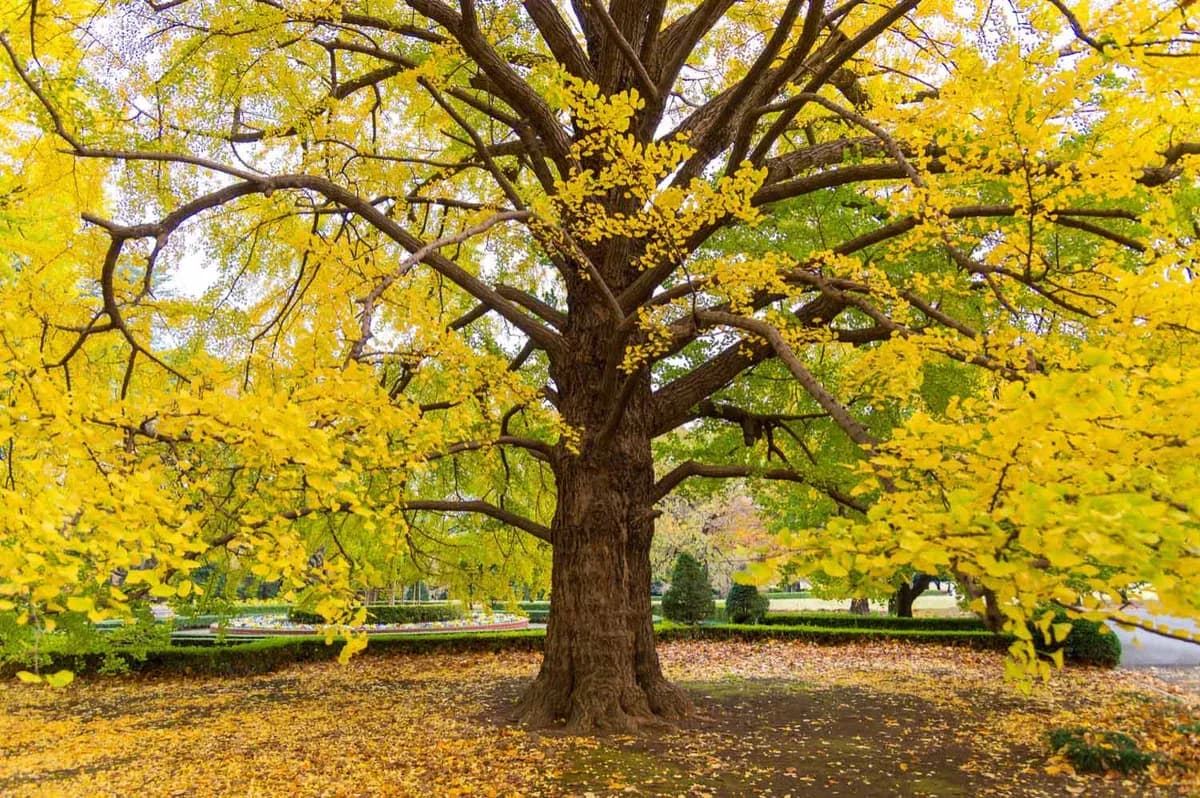


Ginkgo is a large tree species that can live for thousands of years. It is known for its distinctive fan-shaped leaves and its resistance to diseases and pests. It is a widely cultivated tree, often used in traditional medicine and as a source of food.
Summary
Ginkgo, known as Ginkgo biloba, is a distinctive species of tree with unique fan-shaped leaves. It is the only living species in the division Ginkgophyta, all others being extinct. It is found in fossils dating back 270 million years. Native to China, it is widely cultivated and was introduced early to human history. It has various uses in traditional medicine and as a source of food.
The ginkgo tree is a living fossil, with the earliest leaf fossils dating from 270 million years ago. It was rediscovered in 1691 in Chinese monasteries by the German botanist Engelbert Kaempfer. The seeds are particularly resistant to damage by fire, birds, and insects, and are capable of germinating after being buried for a long period of time.
Ginkgo trees can grow to a height of 20–35 m, with some specimens in China being over 50 m. They have a large, irregularly branched crown and distinctive, fan-shaped leaves that turn bright yellow in autumn. The bark is typically a light grey color and is deeply furrowed, particularly with age.
The ginkgo tree is dioecious, with separate sexes, some trees being female and others being male. Male trees produce small pollen cones with sporophylls, each bearing two microsporangia spirally arranged around a central axis. Female trees do not produce cones. Two ovules are formed at the end of a stalk, and after pollination, one or both develop into seeds.
The fruit-like gametophytes inside the seeds are particularly esteemed in Asia, and are a traditional Chinese food. Ginkgo nuts are used in congee, and are often served at special occasions such as weddings and the Chinese New Year. They are believed to have health benefits and to be good for the lungs.
Ginkgo extracts are also used in traditional medicine and are studied for their possible health benefits. Ginkgo biloba extract is used in Europe for treating dementia and Alzheimer's disease, though the efficacy of such treatment is inconclusive. Ginkgo is also used in treatment of intermittent claudication, vascular dementia, peripheral neuropathy, cognitive impairment, macular degeneration, tinnitus, and asthma.
However, despite its reputation, the effectiveness of ginkgo in treating these conditions remains uncertain, and its use is not without risk. Adverse effects include nausea, diarrhea, dizziness, headaches, stomach pain, and in rare cases, risk of bleeding. It is also known to interact with certain medications, so its use should always be supervised by a healthcare professional.
Ginkgo trees are also highly resistant to disease and pollution, making them a popular choice for urban landscaping. They are often planted in parks, along streets, and in other urban environments. The tree's resistance to pests and diseases, tolerance of urban conditions, and attractive form make it a popular ornamental tree.
In conclusion, ginkgo is an ancient and unique tree species with a rich history and a wide range of uses. From its use in traditional medicine and cuisine to its role in urban landscaping, the ginkgo tree continues to be a valuable and versatile species. Despite its potential health benefits, it is important to use ginkgo products with caution due to possible side effects and interactions with other medications.
Human Use and Interaction
Ginkgo biloba, commonly known as the ginkgo or maidenhair tree, is one of the oldest species of trees on earth. It has been around for more than 270 million years and is often referred to as a living fossil. This unique tree has no close living relatives and is classified in its own division, the Ginkgophyta. It is a highly resilient species that can survive in various climates and environments, including urban areas with pollution. The ginkgo tree is native to China but has been cultivated and naturalized in many parts of the world.
The ginkgo tree has a rich history of human use and interaction. For centuries, it has been planted in temples and palace gardens in China, Korea, and Japan for its aesthetic appeal. The tree has a distinct fan-shaped leaf that turns a bright yellow in the fall, making it a popular ornamental tree in landscapes. It is also known for its resistance to disease and pests, and its ability to withstand air pollution and confined soil spaces, making it a suitable choice for urban planting.
However, the use of the ginkgo tree goes beyond its visual appeal. The tree has been a source of food and traditional medicine for thousands of years. The seeds of the ginkgo tree, often referred to as ginkgo nuts, are edible. These nuts are often used in Asian cuisine, particularly in China, Japan, and Korea. They are typically roasted or cooked and are used in dishes such as congee, soups, and desserts. The nuts are also believed to have health benefits and are used in traditional Chinese medicine to treat various ailments such as asthma, bronchitis, and kidney and bladder disorders.
Ginkgo leaves are also used for medicinal purposes. They contain flavonoids and terpenoids, two types of compounds that are known for their antioxidant properties. These compounds help fight off free radicals, which are harmful substances that can damage cells and contribute to aging and diseases. Ginkgo leaf extract is often used in supplements to improve memory and cognitive functions. It is believed to improve blood circulation and reduce inflammation in the body. However, the effectiveness of ginkgo for these uses is still being studied and more research is needed to confirm these benefits.
Despite its potential benefits, there are also risks associated with the use of ginkgo. The seeds, if consumed in large amounts, can be toxic and cause poisoning. Symptoms of ginkgo poisoning can include nausea, vomiting, diarrhea, and in severe cases, seizures. The leaves can also cause allergic reactions in some people. Therefore, it is recommended to use ginkgo products under the supervision of a healthcare professional.
In addition to its culinary and medicinal uses, the ginkgo tree has also played a significant role in literature and art. Its unique leaf shape and vibrant fall color have inspired many artists and poets. The tree is also a symbol of resilience and hope. A ginkgo tree in Hiroshima, Japan, is known for its survival after the atomic bomb explosion in 1945. The tree was located near the epicenter of the explosion, yet it managed to survive and is still alive today. This tree, often referred to as the Hiroshima Ginkgo, has become a symbol of hope and resilience in the face of adversity.
Today, the ginkgo tree continues to be a part of human life in many ways. It is planted in parks and streets for its beauty and resilience. Its seeds and leaves are used for food and health supplements. It is a subject of scientific research for its potential health benefits and its unique biological characteristics. And it continues to inspire people with its history and symbolism. Despite being one of the oldest tree species on earth, the ginkgo tree remains relevant and important in human life today.
Cultural and Symbolic Significance
The Ginkgo biloba, commonly known as the ginkgo or maidenhair tree, is a unique species with no close living relatives. Its distinctive fan-shaped leaves and resilience against disease and pollution have made it a popular ornamental tree worldwide. But beyond its physical attributes, the ginkgo tree holds a rich cultural and symbolic significance, particularly in Eastern cultures.
The ginkgo tree is native to China and has been cultivated for thousands of years. It is deeply rooted in traditional Chinese medicine and cuisine. Its leaves are used to make extracts believed to improve memory and concentration, while its seeds are often served at special occasions such as weddings and Chinese New Year. The ginkgo tree is also considered a symbol of endurance and longevity because it can live for over a thousand years and survive harsh conditions, including the atomic bomb in Hiroshima in 1945.
In China, the ginkgo is known as the 'silver apricot' and is associated with Confucianism. It is often planted near temples and considered a sacred tree. This association with Confucian values of respect for elders and continuity of tradition gives the ginkgo a cultural significance that transcends its botanical characteristics. The ginkgo tree is also a symbol of hope and peace, with several ginkgo trees being planted in the aftermath of the Hiroshima bombing as a symbol of the city's resilience and rebirth.
In Japan, the ginkgo tree is equally revered. It is designated as the official tree of Tokyo and the symbol of the Tokyo Metropolitan symbol. Additionally, ginkgo leaves are the symbol of the Urasenke school of tea ceremony, representing hospitality and the cultural tradition of tea drinking. The bright yellow color of ginkgo leaves in autumn is also celebrated in Japanese poetry and art, symbolizing the beauty and transience of nature.
In Western cultures, the ginkgo tree has also gained cultural and symbolic significance. Its unique leaf shape has inspired artists and designers, with ginkgo leaf motifs appearing in various forms of art, jewelry, and fashion. The ginkgo tree is also seen as a symbol of strength and resilience, with many ginkgo trees being planted in urban environments for their ability to withstand pollution and disease. Additionally, the ginkgo tree's ancient lineage and survival through major extinction events have made it a symbol of endurance and adaptability, often used in ecological and environmental discourse.
In literature and philosophy, the ginkgo tree has been used as a metaphor for various concepts. German writer Johann Wolfgang von Goethe wrote a poem about the ginkgo leaf, viewing it as a symbol of unity and duality. The ginkgo tree's longevity and resistance to disease have also made it a symbol of health and longevity in various cultures. Furthermore, the ginkgo tree's ability to thrive in urban environments has made it a symbol of urban nature and the coexistence of nature and human society.
Scientifically, the ginkgo tree is also significant. It is a 'living fossil', with fossils of its ancestors dating back 270 million years. Its unique status in the plant kingdom, being neither a deciduous nor a coniferous tree, has made it a subject of scientific study and interest. The ginkgo tree's medicinal properties, particularly its potential benefits for brain health, have also made it a focus of medical research.
Overall, the cultural and symbolic significance of the ginkgo tree is vast and varied, reflecting its unique characteristics and deep-rooted history. As a living testament to resilience and adaptability, the ginkgo tree continues to inspire and captivate people around the world.
Aesthetic and Experiential
Ginkgo, also known as Ginkgo Biloba, is a unique species of tree with no close living relatives. It is a living fossil, with fossils recognizably related to modern Ginkgo from nearly 270 million years ago. Ginkgo trees are known for their aesthetic appeal and the unique experiential qualities they bring to the environments they inhabit.
Aesthetically, Ginkgo trees are a sight to behold. They can grow up to 120 feet tall, with some specimens in China being over 164 feet. The tree has an angular crown and long, somewhat erratic branches, and its deep roots are resistant to wind and snow damage. Ginkgo trees are deciduous, shedding their fan-shaped leaves in the autumn to reveal a stark, beautiful silhouette in the winter months. These leaves are unique among seed plants, being bilobed or sometimes split into multiple lobes. Their color ranges from light green in the spring and summer to a brilliant, golden yellow in the fall, a spectacle that makes them a major tourist attraction in places like Tokyo and Hiroshima in Japan.
The Ginkgo leaf is a popular symbol in art and culture, used in everything from jewelry to company logos, due to its distinct shape and its representation of endurance and longevity. In fact, the Ginkgo tree is a model of resilience. It is famously the only tree that survived the atomic bombing of Hiroshima, standing as a testament to survival and renewal.
Experientially, Ginkgo trees have a lot to offer as well. They are known for their tranquil, calming presence. Their tall, sturdy trunks and sprawling branches provide shade and shelter, creating a peaceful environment underneath their canopy. The sight of their leaves fluttering in the breeze and the sound of their leaves rustling are sensory experiences that many people find soothing and grounding.
Moreover, Ginkgo trees are known for their medicinal properties. The extracts of Ginkgo leaves have been used for centuries in traditional Chinese medicine, and today, they are one of the top-selling herbal medications. Ginkgo is often used for memory disorders including Alzheimer's disease. It is also used for conditions that seem to be due to reduced blood flow in the brain, especially in older people. These conditions include memory loss, headache, ringing in the ears, vertigo, dizziness, difficulty concentrating, mood disturbances, and hearing disorders. Some people use it for other problems related to poor blood flow in the body, including leg pain when walking (claudication), and Raynaud's syndrome (a painful response to cold, especially in the fingers and toes).
The Ginkgo tree's aesthetic appeal and the unique sensory experiences it provides, coupled with its resilience and medicinal properties, make it an invaluable addition to any landscape. Whether it's the sight of their golden leaves in autumn, the sound of their rustling in the wind, or the feeling of tranquility under their shade, Ginkgo trees offer a unique blend of beauty, resilience, and utility that is hard to find in other species. Their presence is not just an aesthetic addition but also a symbol of endurance and survival, a testament to the power of life in the face of adversity.
So, next time you come across a Ginkgo tree, take a moment to appreciate its unique aesthetic qualities and the sensory experiences it offers. Remember the resilience it symbolizes and the age-old wisdom it carries within its deep roots and tall branches. Ginkgo trees are more than just trees; they are living fossils, symbols of endurance, and sources of healing, offering us a unique blend of aesthetic and experiential qualities that enrich our lives and landscapes.
References
Ginkgo Biloba Extract and Long-Term Cognitive Decline: A 20-Year Follow-Up Population-Based Study
Ginkgo Biloba Extract (EGb 761) and Neuropsychiatric Disorders
Ginkgo Biloba: A Review of Its Traditional and Modern Uses, and Its Phytochemistry
Ginkgo Biloba: A Review of Its Antioxidant and Anti-Inflammatory Effects in Respiratory Diseases
Share with friends
Ginkgo is a large tree species that can live for thousands of years. It is known for its distinctive fan-shaped leaves and its resistance to diseases and pests. It is a widely cultivated tree, often used in traditional medicine and as a source of food.
Common Name
Ginkgo
Scientific Name
Ginkgo biloba
Family
Ginkgoaceae
Native Region / Habitat
China
Tree Type
Deciduous
Lifespan / Age Range
1000+ years
Growth Habit
Columnar or Vase Shape
Leaves / Foliage Description
Fan-shaped, bright green, turning yellow in autumn
Trunk
Tall, often with irregular branching
Fruit / Flowering Characteristics
Plum-like, with a foul smell when fallen
Ecological Role
Provides food and habitat for various species, resistant to pollution and disease
Related Trees of The World


About
Where Wisdom Meets AI Utopia Edutainment
Wisdomia.ai is a 3D AI edutainment platform that seamlessly blends learning with immersive play. As the first AI-powered 3D Web 3.0 marketplace created by creators for creators. Founded by renowned serial entrepreneur and author Dinis Guarda, Wisdomia empowers individuals to flourish in an ecosystem designed for collective wisdom EQ. Join us in shaping humanity's future as we harness the power of AI to visualise and create a better world—where technology serves human potential, and innovation is guided by utopian wisdom.
Contact us
Produced by

