
loading...
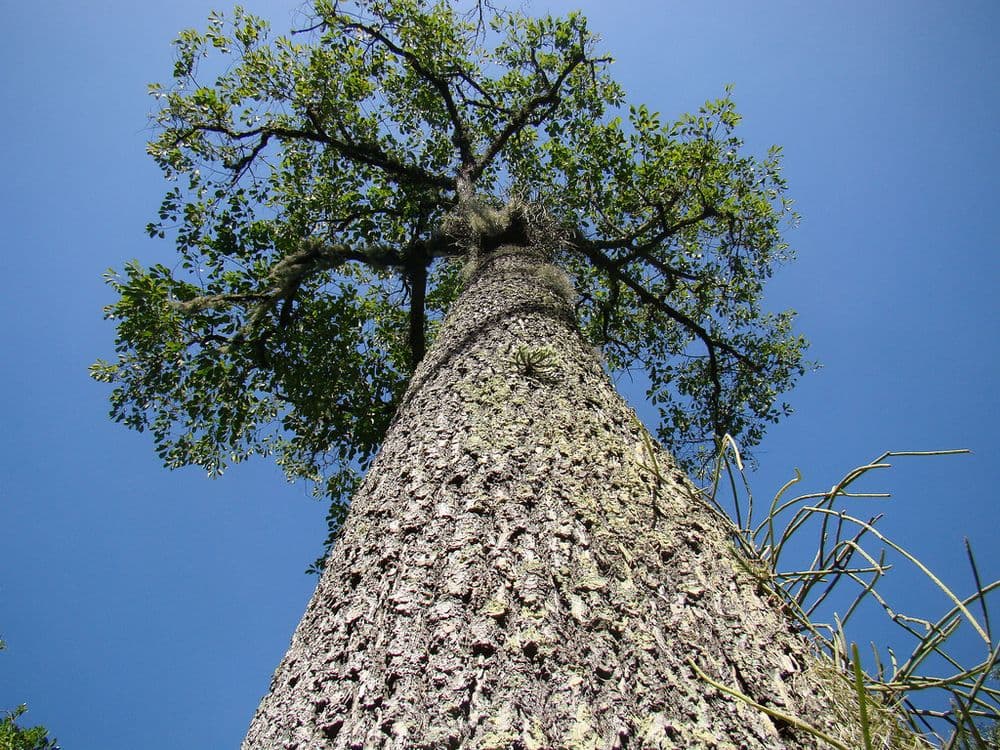


The Brazil Nut Tree is a large tree, often reaching over 50 meters in height. It is known for producing the Brazil nut, which is harvested and consumed worldwide.
Summary
The Brazil Nut Tree, known scientifically as Bertholletia excelsa, is a South American native tree famous for its large, edible nuts. It is one of the largest and longest-lived trees in the Amazon rainforest, reaching up to 50 meters in height and living for up to 1,000 years. The tree is named after the French chemist Claude Louis Berthollet.
The tree features a straight, cylindrical trunk that can reach a diameter of up to 2 meters. The bark is grayish and rough, with deep, vertical fissures. The crown is large and typically umbrella-shaped, with horizontal branches that start high above the ground. The leaves are simple, oblong, and glossy dark green, growing in clusters at the end of branches.
The Brazil Nut Tree blooms between October and December, producing large, cream-colored flowers that are rich in nectar and attract various pollinators. However, the tree has a unique symbiotic relationship with a particular type of bee, the Euglossa Orchid Bee, which is the only insect capable of pollinating the tree's flowers due to their complex shape.
The tree produces large, heavy fruits that resemble coconuts in size and shape. Each fruit contains 8 to 24 triangular seeds, commonly known as Brazil nuts, enclosed in a hard, woody shell. The nuts are rich in protein, dietary fiber, and several essential vitamins and minerals, hence their popularity as a food source.
Harvesting Brazil nuts is a labor-intensive process. The fruits fall from the tree naturally when they are ripe, often weighing up to 2 kilograms each. Collectors must wait for the fruits to fall and then gather them from the forest floor. The hard shells of the fruit are then cracked open using a machete or a specially designed nutcracker to retrieve the nuts inside. Due to the tough exterior of the fruits, this process can be dangerous and requires a great deal of skill and care.
Brazil Nut Trees are an integral part of the Amazonian ecosystem. They provide food and habitat for various species of birds, mammals, and insects. The trees also play a crucial role in soil nutrient cycling, helping to maintain the health and productivity of the rainforest. Furthermore, the trees are a key source of income for local communities, who sell the nuts both domestically and internationally.
Despite their importance, Brazil Nut Trees face several threats. Deforestation for agriculture, mining, and urbanization is reducing the trees' natural habitat, while climate change could make the Amazon less suitable for the trees in the future. Additionally, overharvesting of the nuts can lead to a decrease in tree populations, as the seeds are not left to germinate and grow into new trees.
Conservation efforts for the Brazil Nut Tree are ongoing. These include promoting sustainable harvesting practices, protecting the trees' natural habitat, and raising awareness about the importance of these trees to the Amazon ecosystem and the people who depend on them. Additionally, research is being conducted to better understand the trees' ecology, reproduction, and response to environmental changes, with the goal of developing more effective conservation strategies.
Despite the challenges, the Brazil Nut Tree remains a symbol of the Amazon and its biodiversity. Its impressive size, long lifespan, and the delicious nuts it produces make it a species worth preserving for future generations. As more people become aware of the tree's importance and the threats it faces, it is hoped that this unique and valuable species can continue to thrive in its native rainforest home.
Human Use and Interaction
The Brazil nut tree, also known as Bertholletia excelsa, is a native tree of the Amazon rainforest that plays a significant role in human use and interaction. This majestic tree is best known for its nutritious nuts, which are harvested and consumed worldwide. However, the Brazil nut tree's usefulness extends beyond its edible nuts, contributing to various human activities and needs.
The most prominent usage of the Brazil nut tree is for its nuts. Brazil nuts are a rich source of essential nutrients, including selenium, magnesium, copper, phosphorous, and Vitamin E. They are also high in monounsaturated fats, which are heart-friendly fats. These nuts are consumed both raw and roasted, and are often used in baking and cooking. They can be ground into a flour for baking, or pressed to extract Brazil nut oil, which is used in cooking and cosmetics.
Harvesting Brazil nuts is a major economic activity in the Amazon region, particularly in Brazil, Bolivia, and Peru. The nuts are gathered from the wild, with a single tree yielding up to 300 pounds of nuts in a good year. Because of their economic value, Brazil nut trees are often left standing when other trees are cut down for timber or to clear land for agriculture. This practice helps to preserve the Amazon rainforest by providing an economic incentive for maintaining the forest.
However, the Brazil nut tree also plays a crucial role in the ecosystem of the Amazon rainforest. It is a keystone species, meaning that it has a disproportionately large effect on its environment relative to its abundance. The Brazil nut tree forms a symbiotic relationship with certain species of bees, which are the only insects capable of pollinating the tree's flowers. By providing food for these bees, the Brazil nut tree helps to maintain the biodiversity of the forest.
The Brazil nut tree is also a source of timber. Its wood is heavy, hard, and durable, making it suitable for construction and furniture making. However, because of the tree's importance for Brazil nut production, logging of Brazil nut trees is generally discouraged and in many cases illegal. Nonetheless, illegal logging of these trees remains a problem in some areas, threatening the sustainability of Brazil nut production and the health of the Amazon rainforest.
In addition to nuts and timber, the Brazil nut tree also provides other useful products. The shells of the nuts, which are very hard, can be used as fuel or as a soil amendment. The bark of the tree can be used to make a dye, and the leaves can be used as fodder for livestock. In traditional medicine, various parts of the tree, including the bark, leaves, and nuts, are used to treat a variety of ailments, such as stomach ulcers and liver problems.
Despite the many uses of the Brazil nut tree, it is a challenging species to cultivate. The tree requires a specific set of environmental conditions to thrive, including a specific type of bee for pollination, and it takes many years for a tree to start producing nuts. As a result, most Brazil nuts are still harvested from wild trees rather than cultivated ones. This dependence on wild trees makes the Brazil nut industry vulnerable to environmental changes, such as deforestation and climate change.
In recent years, efforts have been made to promote sustainable practices in the Brazil nut industry. These efforts include initiatives to protect the Amazon rainforest, promote the sustainable harvesting of Brazil nuts, and support the livelihoods of the communities that depend on Brazil nut harvesting. By valuing the Brazil nut tree not just for its nuts but also for its role in the ecosystem and the economy, we can help to ensure the future of this remarkable species.
Overall, the Brazil nut tree is a prime example of the complex ways in which humans interact with nature. It provides us with nutritious food, valuable timber, and other useful products, while also playing a crucial role in the ecosystem of the Amazon rainforest. By understanding and respecting the needs of the Brazil nut tree, we can help to maintain this delicate balance and ensure the sustainability of the resources it provides.
Cultural and Symbolic Significance
The Brazil Nut Tree, known scientifically as Bertholletia excelsa, is a culturally and symbolically significant tree in many parts of the world, particularly in Brazil, its native region. This majestic tree, which can reach up to 160 feet in height and live for over 500 years, is more than just a source of delicious and nutritious nuts. It represents a deep cultural heritage, important ecological role, and contributes significantly to local economies.
In Brazil, the Brazil Nut Tree is an important symbol of the Amazon rainforest and its rich biodiversity. It is often featured in local folklore and mythology. The indigenous people of the Amazon rainforest have been harvesting Brazil nuts for centuries and the tree holds a significant place in their cultural practices and traditions. The nuts are not only a staple food source, but also used in traditional medicine and rituals. For these communities, the Brazil Nut Tree is a symbol of sustenance, health, and spiritual connection to the natural world.
Moreover, the Brazil Nut Tree is iconic in representing the interconnectedness of the Amazon rainforest ecosystem. The tree and its nuts are an essential part of the food chain, providing nourishment for a wide range of animals including rodents, birds, and insects. In fact, the Brazil Nut Tree relies on a specific species of orchid bee for pollination. This intricate relationship highlights the delicate balance of nature and underscores the tree's role in maintaining the health and vitality of the rainforest.
In addition to its cultural and ecological significance, the Brazil Nut Tree also holds economic importance. Brazil nuts are harvested and sold globally, contributing significantly to local and national economies. The tree is a source of livelihood for many families in the Amazon region. Harvesting and processing the nuts provide employment opportunities and income. The Brazil Nut Tree, therefore, symbolizes prosperity and economic resilience for these communities.
The Brazil Nut Tree is not only revered in Brazil but also holds symbolic significance in other cultures. For instance, in Celtic symbolism, tall trees like the Brazil Nut Tree are seen as powerful symbols of growth, strength, and longevity, reflecting the tree's towering height and long lifespan. In certain African cultures, large and fruitful trees are often associated with abundance and fertility. Similarly, in Hinduism and Buddhism, trees are considered sacred and often symbolize enlightenment and spiritual growth.
Conservation of the Brazil Nut Tree is a key environmental issue. The tree is considered a 'keystone' species in the Amazon rainforest, meaning its survival is crucial to the health of the entire ecosystem. Deforestation and climate change pose serious threats to the Brazil Nut Tree and efforts are being made to protect and preserve this remarkable tree. In this context, the Brazil Nut Tree has come to symbolize the urgent need for environmental conservation and sustainable practices.
Although the Brazil Nut Tree is not typically used in mainstream symbolism or iconography, it is an excellent example of how nature, culture, and economy can intertwine. It also serves as a powerful symbol of the importance of biodiversity and the role individual species play in maintaining the balance of their ecosystems. Its towering presence in the Amazon rainforest serves as a constant reminder of nature's resilience and abundance, as well as our responsibility to protect and sustain it.
The Brazil Nut Tree, with its rich cultural, ecological, and economic significance, is a symbol of the intricate and delicate balance of life on earth. Its significance extends beyond its physical presence in the Amazon rainforest, reaching into the realms of human culture, economy, and spirituality. As we continue to learn more about this fascinating tree and its role in our world, we gain deeper insights into the interconnectedness of all life on our planet.
Aesthetic and Experiential
The Brazil Nut Tree, known scientifically as Bertholletia excelsa, is a native of the Amazon rainforest and plays an essential role in the aesthetic and experiential aspects of this lush environment. Standing majestically tall at an average of 50 meters, with some reaching up to 60 meters, the Brazil Nut Tree is a sight to behold. Its enormous size, combined with its broad, spreading canopy, creates a striking silhouette against the backdrop of the rainforest. The bark of the tree is greyish and rough, adding to its rugged beauty.
Equally impressive are the trees large, elliptical leaves. Their rich, dark green color contrasts beautifully with the lighter hues of the surrounding vegetation, while their glossy surface reflects the sunlight in a way that gives the tree a certain luminosity. The leaves also have a unique texture, being leathery and thick, which adds to the tactile experience of the tree. When the wind rustles through these leaves, they create a soothing, rustling sound that is characteristic of the Amazon rainforest.
The aesthetic appeal of the Brazil Nut Tree is heightened when it blooms. Its flowers are small, pale yellow in color, and have a delicate, sweet fragrance. These flowers, which bloom during the rainy season, attract pollinators such as bees, beetles, and bats, creating a lively scene around the tree. The flowering period is followed by the fruiting period, during which the tree produces large, round fruits that are hard and woody. These fruits, which can weigh up to 2 kilograms, contain the famed Brazil nuts.
The experience of seeing a Brazil Nut Tree in its natural habitat is nothing short of awe-inspiring. The sheer size and grandeur of the tree, combined with its characteristic features, such as its glossy leaves and woody fruits, create a spectacle that is both visually stunning and fascinating. The tree is also home to a variety of wildlife, from insects to birds and mammals, adding to the richness of the experience.
Being in the presence of a Brazil Nut Tree also brings about a sense of reverence. It is not just a tree, but a vital part of the rainforest ecosystem. It provides food and shelter to numerous species, contributes to the nutrient cycle of the forest, and plays a critical role in maintaining the health of the rainforest. Furthermore, the tree is a source of livelihood for many local communities, who harvest and sell the Brazil nuts.
The Brazil Nut Tree also has a unique place in folklore and tradition. For the indigenous communities of the Amazon, the tree is revered and respected. Many myths and legends revolve around the tree, and it is often featured in their rituals and ceremonies. This cultural significance adds another layer to the experiential aspect of the tree.
Despite its many virtues, the Brazil Nut Tree is under threat. Deforestation, illegal logging, and climate change have led to a decline in the population of these trees. This not only impacts the aesthetic and experiential aspects of the rainforest but also has serious implications for the biodiversity and overall health of the ecosystem.
In conclusion, the Brazil Nut Tree is a remarkable species that enriches the aesthetic and experiential aspects of the Amazon rainforest. Its towering height, lush foliage, and distinctive fruits create a captivating visual spectacle, while its ecological importance and cultural significance add to the richness of the experience. The preservation of this tree is therefore vital, not only for the survival of the rainforest ecosystem but also for the aesthetic and experiential richness it offers.
References
Brazil Nut | Description, Uses, & Facts | Britannica
Brazil Nut - an overview | ScienceDirect Topics
7 Proven Health Benefits of Brazil Nuts - Healthline
Brazil nuts: Health benefits, nutrition, and risks - Medical News Today
Brazil nut consumption improves selenium status and glutathione peroxidase activity - NCBI
Genomic and Genetic Diversity within the Pseudomonas fluorescens Complex - Frontiers
Brazil nuts: an effective way to improve selenium status - NCBI
Randomized controlled trial of Brazil nuts on cholesterol levels - NCBI
Demography and Genetic Structure of a Recovering Grizzly Bear Population - JSTOR
Improving Selenium Status Through Supplementation with Brazil Nuts - NCBI
Global distribution of plant-extractable water capacity of soil - Wiley Online Library
Share with friends
The Brazil Nut Tree is a large tree, often reaching over 50 meters in height. It is known for producing the Brazil nut, which is harvested and consumed worldwide.
Common Name
Brazil Nut Tree
Scientific Name
Bertholletia excelsa
Family
Lecythidaceae
Native Region / Habitat
Amazon Rainforest
Tree Type
Broadleaf evergreen
Lifespan / Age Range
Over 500 years
Growth Habit
Large canopy tree
Leaves / Foliage Description
Large, simple, oblong and arranged alternately
Trunk
Straight and cylindrical, can reach up to 2m in diameter
Fruit / Flowering Characteristics
Large, heavy, woody fruit that contains several Brazil nuts
Ecological Role
Provides habitat and food for various mammals and insects, plays a crucial role in nutrient cycling
Related Trees of The World


About
Where Wisdom Meets AI Utopia Edutainment
Wisdomia.ai is a 3D AI edutainment platform that seamlessly blends learning with immersive play. As the first AI-powered 3D Web 3.0 marketplace created by creators for creators. Founded by renowned serial entrepreneur and author Dinis Guarda, Wisdomia empowers individuals to flourish in an ecosystem designed for collective wisdom EQ. Join us in shaping humanity's future as we harness the power of AI to visualise and create a better world—where technology serves human potential, and innovation is guided by utopian wisdom.
Contact us
Produced by

