
loading...
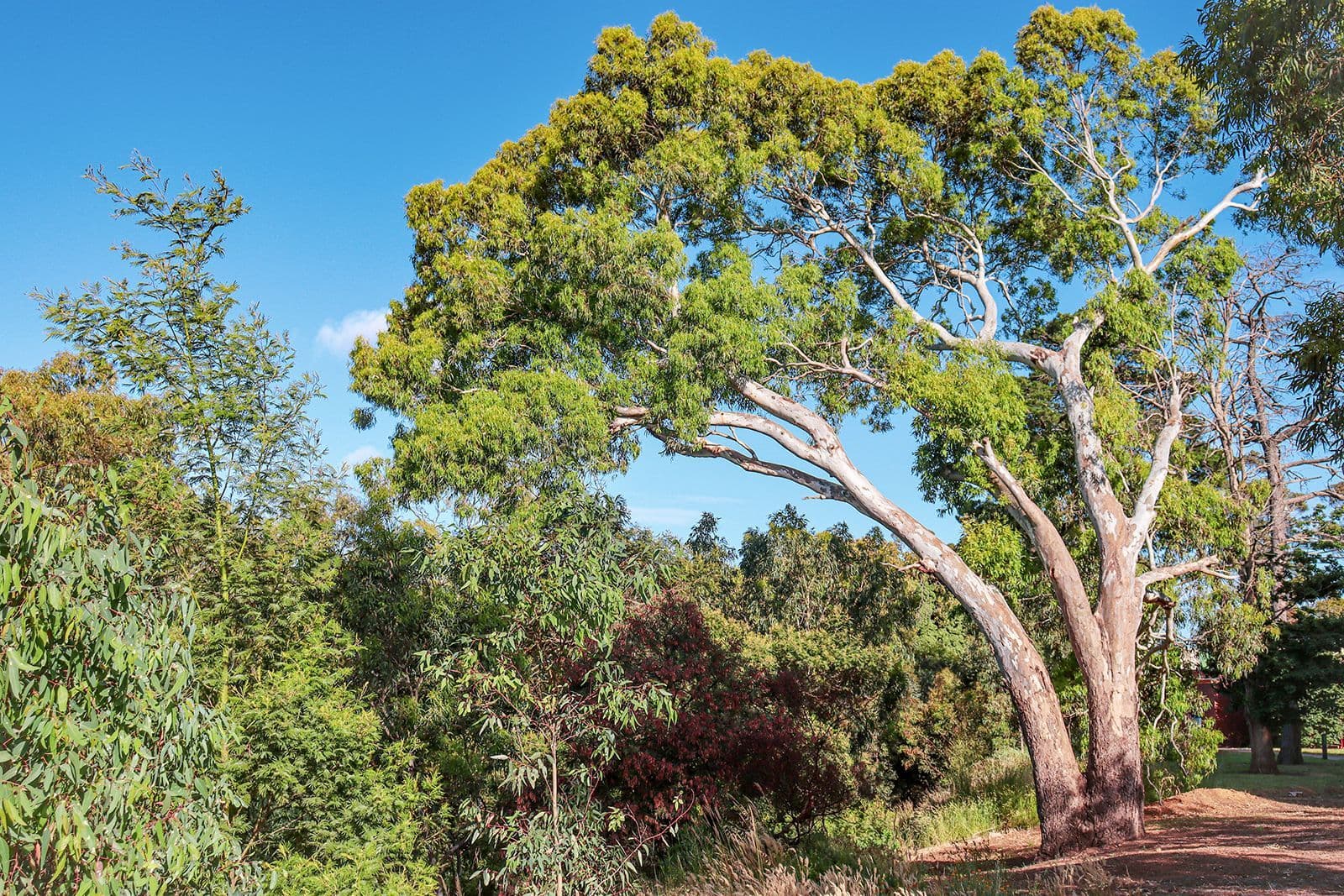


Eucalyptus is a type of tree native to Australia and surrounding areas. They are known for their pleasant smell and ability to withstand harsh conditions.
Summary
Eucalyptus is a genus of over seven hundred species of flowering trees, shrubs or mallees in the myrtle family, Myrtaceae. Commonly known as eucalypts, they are native to Australia where the majority of species are found. However, they have also been introduced to other parts of the world including Africa, the Middle East, Europe, South America, and the United States, due to their fast growth and adaptability to a variety of soil and climate conditions.
The name Eucalyptus is derived from the Greek words 'eu' meaning well and 'kalypto' meaning to cover, referring to the operculum on the calyx that initially conceals the flower. The flowers are usually white, but some species have yellow, pink or red flowers. The fruit is a woody capsule commonly referred to as a 'gumnut'.
Eucalyptus trees are evergreen, with the leaves being covered in oil glands. These leaves are known for their strong and distinctive smell, which is caused by compounds such as eucalyptol, a type of oil that can be distilled from the leaves. This oil has been used for centuries by indigenous Australians for its medicinal properties, including its ability to relieve coughs and colds, soothe muscle pain, and even act as a natural insect repellent.
Due to their fast-growing nature, eucalyptus trees have been widely used in forestry practices for timber and pulpwood. The wood is hard and durable, making it suitable for a variety of uses such as construction, furniture making, and as firewood. In addition, eucalyptus is also used in the production of paper, with some species providing a high-quality pulp that is ideal for fine paper production.
Eucalyptus trees also play a crucial role in the ecosystem. They provide habitat for a wide range of wildlife, including various bird and mammal species. In Australia, they are particularly important for koalas, which feed almost exclusively on eucalyptus leaves. Additionally, the trees help to reduce carbon dioxide levels in the atmosphere, contributing to the fight against climate change.
However, the introduction of eucalyptus to non-native environments has not been without controversy. In some areas, they have become invasive, out-competing native plants for resources and altering ecosystems. They are also known to be highly flammable, and their presence can increase the risk of wildfires. Despite these challenges, eucalyptus trees remain an important species, both economically and ecologically.
There are many different types of eucalyptus, each with its own unique characteristics. For example, the Blue Gum (Eucalyptus globulus) is one of the most widely cultivated species, known for its rapid growth and high oil content. The River Red Gum (Eucalyptus camaldulensis) is a drought-tolerant species that is commonly found along watercourses, while the Snow Gum (Eucalyptus pauciflora) is known for its ability to withstand cold conditions.
Eucalyptus has also been used in various cultural practices. For example, in Aboriginal Australian cultures, eucalyptus leaves were used for a variety of purposes including medicinal uses, as a source of food, and in the creation of tools and weapons. Today, eucalyptus oil is widely used in aromatherapy and natural healing practices around the world.
In conclusion, eucalyptus is a diverse and versatile genus of plants that has a wide range of uses, from timber and paper production to medicinal applications. Despite some challenges related to its introduction in non-native environments, it remains an important part of ecosystems and economies around the world.
Human Use and Interaction
Eucalyptus trees, native to Australia, have been used by humans for thousands of years. These trees are recognized for their fast growth and hardiness, making them a popular choice for timber, wood pulp, and plantation forestry worldwide. The wood is used in construction, furniture making, and as firewood. Eucalyptus is also a source of eucalyptus oil, used in various industries such as pharmaceuticals, antiseptics, repellents, flavoring, fragrance, and industrial uses.
Indigenous Australians have used eucalyptus for a myriad of purposes. The leaves were used for medicinal purposes, the bark for making canoes, and the wood for making tools and weapons. The trees were also used as a source of food, with the nectar from the flowers being used to make a sweet drink, and the manna, a sugary substance exuded by the leaves, being eaten directly or used to make cakes.
With the colonization of Australia, eucalyptus trees were introduced to the rest of the world. In the 18th century, the trees were brought to Europe and the Americas. Today, eucalyptus is grown in many countries with a Mediterranean climate, including Spain, Portugal, and South Africa, as well as countries with a subtropical and tropical climate, such as Brazil and India.
One of the most well-known uses of eucalyptus is eucalyptus oil. The oil is distilled from the leaves of the eucalyptus tree and has a strong, distinctive smell. Eucalyptus oil has been used for centuries in traditional medicine for its antiseptic and anti-inflammatory properties. It is commonly used in over-the-counter cough and cold remedies, as well as in topical creams and ointments for muscle and joint pain.
Eucalyptus oil is also used in the perfume and flavoring industry. It is used to give a fresh, camphor-like scent to perfumes, soaps, and cleaning products. In the food industry, it is used as a flavoring agent in candies, cough drops, and certain beverages. Industrial uses of eucalyptus oil include its use as a solvent, in the production of citronellal (an insect repellent), and as a component in biofuel.
The wood of the eucalyptus tree is highly valued for its strength, durability, and versatility. It is used in construction, particularly in roofing and flooring, and in the manufacture of furniture. The wood is also used in the paper industry, where it is pulped and used to make high-quality paper products. Eucalyptus wood is also a popular choice for firewood due to its high heat output and long burn time.
In recent years, eucalyptus trees have been grown for their environmental benefits. Eucalyptus trees are very efficient at absorbing carbon dioxide, one of the main greenhouse gases contributing to global warming. This makes them an effective tool in efforts to combat climate change. They also help to reduce soil erosion, improve water quality, and provide habitat for wildlife.
However, eucalyptus trees have also been associated with some environmental issues. They are known to be highly invasive in certain areas, outcompeting native plant species and altering ecosystems. They are also highly flammable and can contribute to the intensity of wildfires. In some regions, the planting of eucalyptus trees for commercial purposes has led to the depletion of water resources, as the trees consume large amounts of water.
Despite these challenges, eucalyptus remains a valuable resource for humans. With careful management and sustainable practices, eucalyptus can continue to provide numerous benefits for people and the environment. The multifaceted use of eucalyptus from medicine to manufacturing, construction to conservation, illustrates its importance in human use and interaction. The eucalyptus tree, with its multitude of uses and benefits, stands as a testament to the intricate relationship between humans and the natural world.
Cultural and Symbolic Significance
Eucalyptus trees, known for their distinct aroma and medicinal properties, hold significant cultural and symbolic value across various societies globally. Originating from Australia, these trees have been an integral part of Aboriginal culture for centuries. They were used medicinally for their antiseptic and anti-inflammatory properties to treat a range of ailments.
The Aboriginal people also utilized eucalyptus in their spiritual practices. They burnt leaves during ceremonies to ward off evil spirits and cleanse the surroundings. The tree's ability to survive and thrive in harsh conditions symbolized resilience and strength to these indigenous communities, making it a potent symbol in their folklore and storytelling.
With the colonization of Australia, the eucalyptus tree was introduced to various parts of the world. In the Mediterranean region, particularly Portugal and Spain, eucalyptus holds cultural significance. The trees were often planted around churches and cemeteries, symbolizing eternity and protection. The rapid growth of the tree, coupled with its ability to regenerate after a fire, symbolizes renewal and rebirth in these cultures.
In California, USA, the eucalyptus tree has been a prominent feature of the landscape since the late 1800s. Planted extensively for their potential as a renewable source of timber, eucalyptus groves have become a defining characteristic of the Californian landscape. To many, these trees symbolize the state's unique blend of natural and human-made landscapes.
In modern times, eucalyptus oil has gained popularity in aromatherapy. Its fresh, clean scent is believed to promote relaxation and clarity of mind. The oil is often associated with purification, protection, and healing, making it a common ingredient in spiritual rituals and healing practices in various cultures. It is also widely used in cosmetics, soaps, and other personal care products for its refreshing scent and antiseptic properties.
In art and literature, eucalyptus trees often symbolize the Australian landscape and identity. They have been a recurring motif in Australian art, from traditional Aboriginal art to contemporary works. Eucalyptus trees have also been featured prominently in Australian literature, symbolizing the country's unique environment and heritage.
In the field of environmental science, eucalyptus trees have come to symbolize the importance of biodiversity and the need for conservation. Their fast-growing nature and adaptability have made them a popular choice for reforestation projects. However, their tendency to dominate ecosystems has also raised concerns about their impact on local biodiversity, highlighting the need for careful management and sustainability practices.
Despite the controversy surrounding their environmental impact, eucalyptus trees remain an important symbol of resilience and regeneration. They stand as a testament to nature's ability to adapt and survive in a rapidly changing world. Their significance extends beyond their physical presence, touching upon spiritual, cultural, and ecological aspects of human life.
In conclusion, eucalyptus trees hold rich cultural and symbolic significance across various societies and fields of study. From their medicinal use in Aboriginal culture to their role as symbols of resilience, regeneration, and environmental sustainability, these trees have a multifaceted significance that transcends geographical boundaries. Their unique characteristics and widespread presence continue to inspire and influence cultures, shaping our understanding of nature and our place within it.
Aesthetic and Experiential
The aesthetic and experiential qualities of eucalyptus are manifold and diverse, a testament to the versatility and adaptability of this remarkable genus of trees. Native to Australia, eucalyptus trees are now found in many parts of the world, a testament to their adaptability and resilience. Their beauty is undeniable, with their tall, slender trunks, their distinctive, aromatic leaves, and their colourful, textured bark. The aesthetic appeal of eucalyptus trees is both visual and olfactory, with the scent of their leaves being as much a part of their charm as their appearance.
In terms of their visual appeal, eucalyptus trees are a study in contrasts. Their bark, which ranges in colour from white and grey to red and brown, is often peeling or flaking, creating a textured, multi-layered effect that is both rugged and delicate. The bark of some species is smooth and glossy, reflecting the light in a way that makes the tree seem to glow from within. The leaves, meanwhile, are usually a vibrant green, their oval or lanceolate shapes creating a dense, bushy canopy. The flowers, which range in colour from white to red, are small but numerous, creating a cloud of colour when in bloom.
The olfactory appeal of eucalyptus trees is equally striking. The scent of their leaves, which is released when they are crushed or heated, is fresh, clean, and invigorating, often described as being reminiscent of mint, pine, and lemon. The aroma is so potent that it can often be detected from a distance, adding an extra sensory dimension to the experience of being in a eucalyptus forest.
Experiencing a eucalyptus forest is a multisensory delight. The sight of the tall, straight trunks reaching up to the sky, the sound of the wind rustling the leaves, the scent of the eucalyptus oil permeating the air, the feel of the rough bark under your fingers - all combine to create a unique and unforgettable experience. Walking through a eucalyptus forest is like entering another world, one that is tranquil, refreshing, and invigorating.
But the aesthetic and experiential qualities of eucalyptus extend beyond their physical attributes. Eucalyptus trees also have symbolic and cultural significance, particularly in their native Australia. They are an important part of Aboriginal mythology and spirituality, with different species and parts of the tree being associated with different totemic ancestors and spiritual beings. The eucalyptus tree is also a symbol of Australia itself, representing the country's rugged beauty, resilience, and spirit of independence.
Moreover, the uses of eucalyptus are as varied as its aesthetic qualities. The strong, durable wood is used in construction and furniture making, while the leaves are used in traditional medicine for their antiseptic and decongestant properties. Eucalyptus oil, derived from the leaves, is used in aromatherapy, perfumery, and in a variety of household products. These practical uses of eucalyptus contribute to its aesthetic and experiential appeal, adding layers of meaning and value to the experience of encountering this remarkable tree.
Ultimately, the aesthetic and experiential qualities of eucalyptus are a reflection of its inherent qualities - its resilience, its versatility, its sensory appeal. Whether standing alone as a sentinel in the landscape, forming a canopy in a dense forest, or being used in a multitude of practical applications, the eucalyptus tree is a testament to the beauty and utility of nature. It is a tree that appeals to all the senses, that offers a multitude of experiences, and that, in its own unique way, enhances our understanding and appreciation of the natural world.
References
Eucalyptus | Description, Species, & Facts | Britannica
Eucalyptus - an overview | ScienceDirect Topics
Eucalyptus: Uses, Side Effects, Interactions, Dosage, and Warning | Medical News Today
Eucalyptus Essential Oil: A Review of the Bioactivity and Potential Health Benefits | NIH
Eucalyptus: Health Benefits, Uses, Side Effects, Dosage & Interactions | WebMD
Tips On Growing Eucalyptus | Gardening Know How
Eucalyptus cultivation for biomass production | ScienceDirect
Eucalyptus plantation and biodiversity | ResearchGate
Eucalyptus globulus (blue gum eucalyptus) | Invasive Plant Atlas of the United States
The Impact of Eucalyptus Plantations on Native Species | JSTOR
Eucalyptus cinerea (Silver Dollar Eucalyptus) | Floridata
Eucalyptus polyanthemos (Red Box) | Australian Native Plants
Eucalyptus L'Hér. | USDA PLANTS
Eucalyptus gunnii | BBC Gardening
Eucalyptus L'Hér. | International Plant Names Index
Eucalyptus L'Hér. | Biodiversity Heritage Library
Eucalyptus L'Hér. | Global Biodiversity Information Facility
Share with friends
Eucalyptus is a type of tree native to Australia and surrounding areas. They are known for their pleasant smell and ability to withstand harsh conditions.
Common Name
Eucalyptus
Scientific Name
Eucalyptus Globulus
Family
Myrtaceae
Native Region / Habitat
Australia
Tree Type
Evergreen
Lifespan / Age Range
Over 250 years
Growth Habit
Fast growing
Leaves / Foliage Description
Aromatic, green, lanceolate
Trunk
Tall, straight, often with shedding bark
Fruit / Flowering Characteristics
Woody capsule
Ecological Role
Soil enrichment, habitat for various animals, source of nectar for bees
Related Trees of The World


About
Where Wisdom Meets AI Utopia Edutainment
Wisdomia.ai is a 3D AI edutainment platform that seamlessly blends learning with immersive play. As the first AI-powered 3D Web 3.0 marketplace created by creators for creators. Founded by renowned serial entrepreneur and author Dinis Guarda, Wisdomia empowers individuals to flourish in an ecosystem designed for collective wisdom EQ. Join us in shaping humanity's future as we harness the power of AI to visualise and create a better world—where technology serves human potential, and innovation is guided by utopian wisdom.
Contact us
Produced by

