
loading...
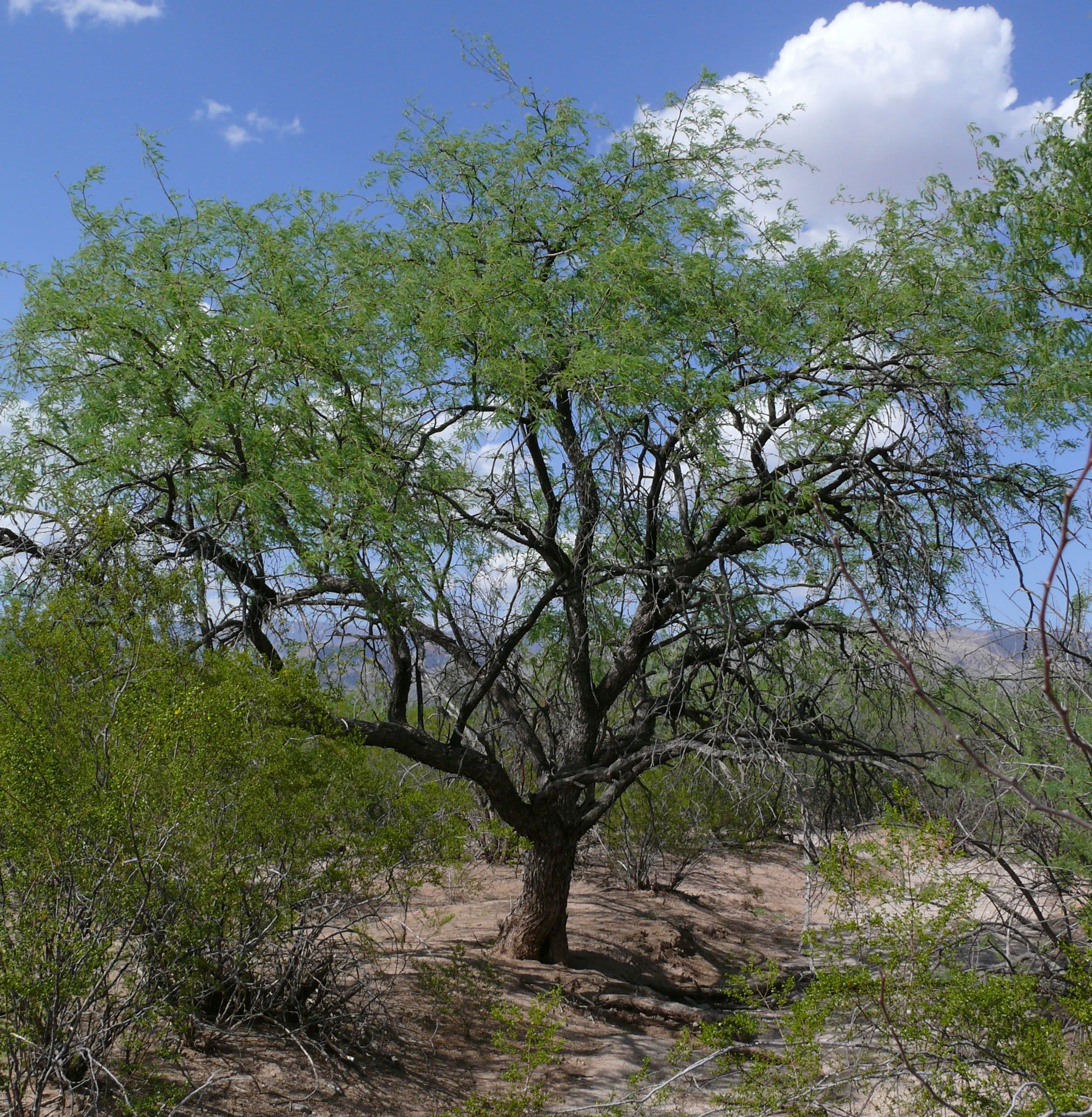


The Mesquite Tree is a deciduous plant that grows in arid and semi-arid regions. It's well known for its hardiness and adaptability, thriving even in harsh desert conditions.
Summary
The mesquite tree, known scientifically as Prosopis, is a member of the Fabaceae family. It is native to the southwestern portions of the United States and Mexico, but it can also be found in other parts of the world. The tree is well-known for its ability to endure harsh conditions and low precipitation levels. It has a long lifespan, often living for hundreds of years. The mesquite tree has a deep taproot system that allows it to access water deep underground. This makes it an ideal plant for arid and semi-arid regions.
The tree grows to a height of about 20 to 30 feet, and it has a broad crown of feathery, bright green leaves. The bark is rough and dark, and the branches have sharp thorns. The mesquite tree produces small yellow flowers that are fragrant and attract bees and other pollinators. These flowers turn into long, flat seed pods that are sweet and edible. These pods have been a source of food for Native Americans and wildlife for centuries.
The mesquite tree is known for its hard, dense wood that is resistant to decay and insect damage. This wood is often used for furniture, flooring, and fence posts. It is also a popular choice for barbecuing because it imparts a unique, smoky flavor to the food. The tree's sap is used for making gum, while the leaves and bark have medicinal uses. The tree's seed pods can be ground into a flour that is used in baking and cooking.
Despite its benefits, the mesquite tree is often considered a nuisance plant in some areas. It has a rapid growth rate and can quickly take over an area if not properly managed. This can lead to the displacement of native plants and disruption of local ecosystems. However, when managed properly, the mesquite tree can provide numerous benefits. It can act as a windbreak, provide shade, prevent soil erosion, and enhance the landscape's aesthetic appeal.
There are several species of mesquite trees, including the Honey Mesquite, Screwbean Mesquite, and Velvet Mesquite. Each species has its unique characteristics, but they all share the common traits of being hardy and adaptable. They are all capable of surviving in harsh conditions, and they all provide important resources for wildlife and humans alike.
The mesquite tree is a symbol of resilience and adaptability. Its ability to thrive in arid conditions and its long lifespan make it a fascinating subject of study for botanists and environmentalists. Its uses in cooking, medicine, and carpentry also make it a valuable resource for many cultures. Despite its reputation as a nuisance plant, the mesquite tree has much to offer if properly managed and appreciated.
Research on the mesquite tree is ongoing, with scientists exploring its potential uses in biofuel production and carbon sequestration. Its ability to grow in poor soil conditions makes it a promising candidate for reforestation projects. Additionally, its deep root system can help improve soil structure and water retention, making it beneficial for land rehabilitation efforts.
The mesquite tree's hardiness and adaptability also make it a popular choice for landscaping in desert regions. It provides shade and beauty, and its flowers and seed pods attract a variety of wildlife. It is also used in xeriscaping, a type of landscaping that reduces the need for irrigation. Despite its thorny branches, the mesquite tree's many benefits make it a worthwhile addition to many landscapes.
In conclusion, the mesquite tree is a unique and versatile plant. Its ability to thrive in harsh conditions, long lifespan, and numerous uses make it a valuable resource. Despite its challenges, with proper management, the mesquite tree can continue to provide benefits for both humans and wildlife for years to come.
Human Use and Interaction
The Mesquite tree, scientifically known as Prosopis, is a hardy, deciduous plant that thrives in arid regions like the Southwestern United States, Mexico, and parts of South America. The tree has multiple uses for humans, making it a crucial part of both historical and modern societies in these regions. Human interaction with the Mesquite tree spans various aspects, including food, medicine, construction, fuel, and even environmental rehabilitation.
One of the most significant uses of the Mesquite tree is as a source of food. The tree produces pods that are rich in sugar and protein. Indigenous peoples have used these pods for centuries as a food source. The pods can be ground into flour, which can then be used to make bread, cakes, and other dishes. This flour is gluten-free and high in protein, making it a healthy alternative to wheat flour. The sweet, slightly nutty flavor of the flour is also very appealing, making it an excellent ingredient for a wide range of recipes.
Aside from the pods, the Mesquite tree also produces honey mesquite, a type of honey made by bees that pollinate the tree's flowers. This honey is a popular sweetener in the regions where the tree grows. The tree's leaves and bark have also been used as fodder for livestock, particularly in times of drought when other food sources are scarce.
Another significant use of the Mesquite tree is in traditional medicine. The indigenous peoples of North and South America have long used various parts of the tree to treat a range of ailments. The bark, for example, has been used to make a tea that is said to help with digestive problems. The leaves have been used as a poultice to treat skin infections and wounds. More recently, scientific studies have shown that the tree possesses antimicrobial, antifungal, and antiviral properties, validating some of these traditional uses.
The Mesquite tree is also highly valued for its wood. The wood is dense and durable, making it suitable for construction and furniture making. It’s also highly resistant to pests. The wood has a beautiful, rich color and unique grain patterns, making it a popular choice for high-quality furniture and decorative items. In addition, the wood of the Mesquite tree is excellent for fuel. It burns slowly and produces a high heat output, making it ideal for cooking and heating. The wood also gives off a pleasant, smoky flavor when burned, making it a favorite for barbecuing in the Southwestern United States.
Furthermore, the Mesquite tree plays a critical role in environmental rehabilitation. In areas affected by desertification, the tree is often planted to help restore the soil and prevent further erosion. The tree's deep root system allows it to access water far beneath the surface, helping to stabilize the soil. The tree also helps to improve soil fertility by fixing nitrogen, a process wherein the tree converts atmospheric nitrogen into a form that plants can use.
The Mesquite tree is also a valuable source of shade and shelter in arid regions. It provides habitat for a variety of wildlife, including birds and small mammals. Its flowers are a source of nectar for bees and other pollinators, contributing to biodiversity.
In conclusion, the Mesquite tree has profound significance for humans, particularly in arid regions. Its various uses, from food to medicine to construction and fuel, make it a versatile and valuable resource. Moreover, its role in environmental rehabilitation demonstrates the tree's importance not just for human use, but for the overall health of the ecosystems where it grows. As such, the Mesquite tree is not only a symbol of survival in harsh climates, but also a testament to the intricate interplay between humans and the natural world.
Cultural and Symbolic Significance
The Mesquite tree, scientifically known as Prosopis glandulosa, holds a rich cultural and symbolic significance in many regions, particularly in the southwestern United States and Mexico. This tree species is an integral part of the desert ecosystem and plays a significant role in the life and culture of the indigenous peoples who have inhabited these areas.
Symbolically, the Mesquite tree has come to represent resilience, strength, and adaptation, primarily because of its ability to thrive in harsh desert conditions. It can withstand intense heat, scarce water resources, and poor soil conditions, reflecting the endurance and adaptability of the communities that have lived in these rugged landscapes. The tree's deep root system, which allows it to reach water sources far beneath the ground surface, is often seen as a metaphor for the deep cultural roots and strong connections to the land found among these communities.
From a cultural perspective, the Mesquite tree has been a source of sustenance and a critical survival resource for indigenous peoples for thousands of years. The beans of the Mesquite tree are edible and highly nutritious, providing a substantial source of protein and fiber. These beans were traditionally ground into flour and used to make a variety of foods, including bread, cakes, and drinks. Today, Mesquite flour is experiencing a resurgence in popularity as a gluten-free alternative to traditional wheat flour.
Additionally, the wood of the Mesquite tree has been used for a variety of practical purposes. It is strong and durable, making it ideal for construction and tool making. The wood is also highly prized for its unique flavor when used for smoking meats, a culinary tradition that continues to this day in southwestern barbecue cuisine. In fact, Mesquite smoked barbecue has become a defining characteristic of this region's culinary identity.
The Mesquite tree also has medicinal properties recognized by indigenous communities. Various parts of the tree, such as its bark, leaves, and beans, have been used in traditional remedies for treating a variety of ailments, including digestive problems, wounds, and skin conditions. Some research suggests that Mesquite may also have antifungal and antibacterial properties.
Beyond its practical uses, the Mesquite tree also holds spiritual significance for some indigenous cultures. It is often considered a sacred tree, associated with certain deities or spiritual concepts. For example, in some Native American cultures, the Mesquite tree is associated with the Thunderbird, a powerful spirit creature and a bringer of life-sustaining rain.
Furthermore, the Mesquite tree is an important component of the desert ecosystem, providing habitat and food for a variety of wildlife species. Its flowers are a significant source of nectar for bees and other pollinators, while its beans provide food for many bird and mammal species. The tree's dense growth also provides valuable shelter for wildlife in the harsh desert environment.
In conclusion, the Mesquite tree is much more than just a desert plant. It is a symbol of resilience and adaptability, a critical source of food and materials, a medicinal resource, a spiritual symbol, and an essential part of the desert ecosystem. Its cultural and symbolic significance is deeply intertwined with the history and identity of the indigenous peoples of the southwestern United States and Mexico, reflecting their deep connections to the land and their remarkable ability to thrive in challenging conditions.
Aesthetic and Experiential
The mesquite tree holds an enchanting, rustic beauty that defines the landscape wherever it is found. Native to the arid regions of the Americas, especially the southwestern United States and Mexico, the mesquite tree is a symbol of resilience, strength, and adaptability, thriving where few other plants can. Its aesthetic appeal and experiential allure is deeply tied to its natural environment and cultural significance, offering a rich sensory experience that engages sight, touch, smell, and even taste.
From an aesthetic perspective, the mesquite tree captures the essence of wilderness and rugged natural beauty. It typically grows to a height of 20 to 30 feet, presenting a broad, spreading canopy that provides generous shade. The tree's bark is deeply furrowed and brownish-gray in color, adding a rough, textured look that accentuates its wild appeal. The intricate branching pattern, caused by the tree's unique growth habit, adds to its visual allure. In spring and summer, the tree is adorned with copious yellow flowers, followed by long, bean-like pods that hang in clusters, adding an element of delicate beauty to the otherwise sturdy structure.
The leaves of the mesquite tree are equally captivating. They are bipinnate, meaning they are divided into pairs of leaflets, offering a feathery, delicate appearance. In the right light, the leaves shimmer with a soft green glow that contrasts beautifully with the rough bark. When the wind blows, the leaves rustle gently, creating a soothing, rhythmic sound that adds to the tree's sensory appeal. In autumn, the leaves turn a golden yellow, adding a splash of color to the landscape.
From an experiential perspective, the mesquite tree offers a rich, multi-sensory experience. The rough texture of the bark, the delicate softness of the leaves, and the sturdy resilience of the wood all contribute to a tactile experience that is deeply engaging. The tree's aroma is another captivating feature. When the flowers bloom, they release a sweet, honey-like fragrance that fills the air. In the arid regions where the tree grows, this fragrance is often the first sign of spring, signaling the end of winter's harshness.
Moreover, the mesquite tree is not just a visual and olfactory delight, but also a source of culinary joy. The tree's pods are edible and have a sweet, slightly nutty flavor. They have been a staple food of indigenous people for centuries, used in everything from bread and drinks to medicinal remedies. The wood of the mesquite tree is also treasured for its smoky, sweet flavor that it imparts to food when used for grilling or smoking, making it a favorite among barbecue enthusiasts.
The mesquite tree's aesthetic and experiential allure extends beyond its physical features. It holds a deep cultural significance in the regions where it grows. For the Native American tribes of the Southwest, the mesquite tree has been a vital resource for food, medicine, and building material. It holds a central place in their folklore and spiritual beliefs, symbolizing resilience, life-giving sustenance, and the interconnectedness of nature.
For modern dwellers, the mesquite tree continues to inspire with its rugged beauty and resilience. It serves as a reminder of the harsh, arid landscapes that it calls home, and the life that thrives in these seemingly inhospitable conditions. The tree's ability to thrive in poor soil and harsh climates serves as a symbol of strength and adaptability, inspiring awe and respect.
Overall, the mesquite tree offers a deeply enriching aesthetic and experiential encounter. Its rugged beauty, sensory allure, and cultural significance combine to create a unique, immersive experience that engages all the senses. Whether it is the sight of its broad canopy against a clear blue sky, the sound of its leaves rustling in the wind, the smell of its sweet blossoms, the taste of its edible pods, or the touch of its textured bark, the mesquite tree offers a captivating encounter with nature that is both aesthetically pleasing and experientially enriching.
References
Share with friends
The Mesquite Tree is a deciduous plant that grows in arid and semi-arid regions. It's well known for its hardiness and adaptability, thriving even in harsh desert conditions.
Common Name
Mesquite Tree
Scientific Name
Prosopis
Family
Fabaceae
Native Region / Habitat
Southwestern United States, Mexico, and South America
Tree Type
Deciduous
Lifespan / Age Range
Over 100 years
Growth Habit
The tree typically grows a single stem with a broad, spreading crown and can reach heights of 20 to 30 feet.
Leaves / Foliage Description
The leaves are bipinnate and green, arranged alternately along the branches and composed of numerous leaflets.
Trunk
The trunk of the Mesquite tree is short, thick, and often twisted with a rough, dark brown bark.
Fruit / Flowering Characteristics
The tree produces elongated, bean-like fruit pods that are yellow or purple and filled with hard, round seeds.
Ecological Role
The Mesquite tree plays a vital role in its ecosystem. It provides shade and shelter for many species and its fruit is a valuable food source for many birds and mammals.
Related Trees of The World


About
Where Wisdom Meets AI Utopia Edutainment
Wisdomia.ai is a 3D AI edutainment platform that seamlessly blends learning with immersive play. As the first AI-powered 3D Web 3.0 marketplace created by creators for creators. Founded by renowned serial entrepreneur and author Dinis Guarda, Wisdomia empowers individuals to flourish in an ecosystem designed for collective wisdom EQ. Join us in shaping humanity's future as we harness the power of AI to visualise and create a better world—where technology serves human potential, and innovation is guided by utopian wisdom.
Contact us
Produced by

