
loading...
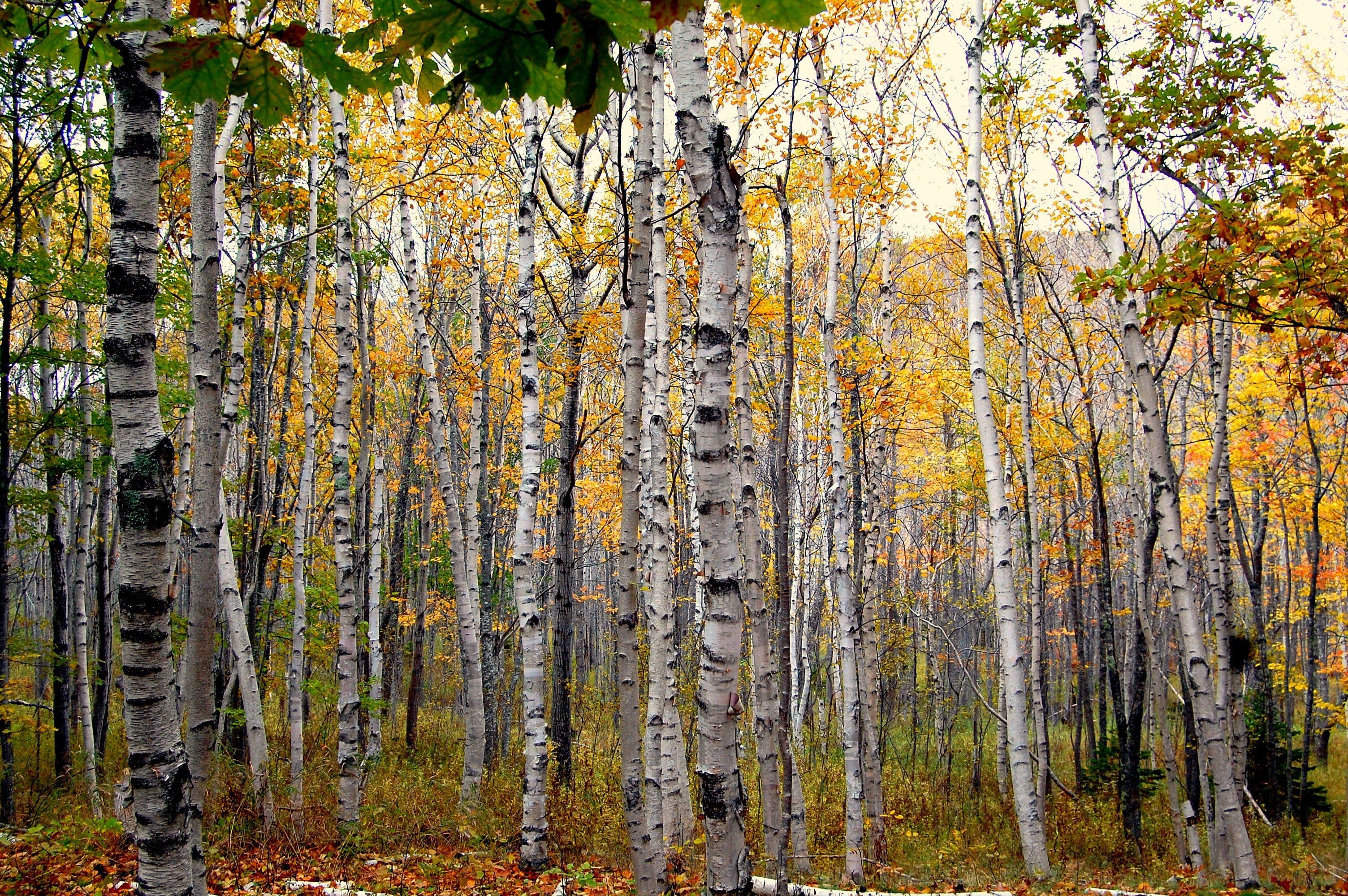


The Paper Birch is a medium-sized deciduous tree known for its white bark that peels in paper-like layers. It is a fast-growing tree and can reach up to 20-30 meters in height.
Summary
The Paper Birch, also known as Betula papyrifera, is a deciduous tree commonly found in North America, specifically in the northern and central parts of the United States and throughout Canada. It is a member of the Birch family, Betulaceae and is known for its distinctive white bark that peels off in thin, paper-like layers, hence its name.
The Paper Birch is a fast-growing tree that can reach a height of 60 to 70 feet and a spread of 20 to 25 feet at maturity. Its lifespan is typically around 30 to 50 years, but some have been known to live up to 200 years. The tree is quite hardy, able to withstand cold temperatures and harsh conditions, making it a popular choice for landscaping in colder climates.
The leaves of the Paper Birch are dark green and oval or triangular in shape, turning a bright yellow in the fall. The leaves are alternately arranged on the branches and are about 2 to 5 inches long. The tree produces male and female flowers, called catkins, in the spring. The male catkins are long and pendulous, while the female catkins are shorter and upright.
The bark of the Paper Birch is its most notable characteristic. It is white to cream-colored and peels off in thin, horizontal strips. The bark is often marked with black fissures, especially on older trees. This peeling bark is not only an attractive feature but also serves a practical purpose. The layers of bark insulate the tree, protecting it from extreme temperatures and fire. The bark is also rich in oil, making it waterproof and resistant to decay.
Another interesting feature of the Paper Birch is its ability to reseed and regenerate quickly after a disturbance, such as a fire. The tree produces numerous small, wind-dispersed seeds that can quickly colonize burned areas. This rapid regeneration makes the Paper Birch an important pioneer species in forest succession.
The Paper Birch has many uses. Its wood is used for pulpwood, plywood, and furniture. It is also used for firewood, due to its high heat output and easy ignition. The bark is used in traditional crafts, such as basketry and canoe making. The tree is also a source of food and habitat for various wildlife, including birds, moose, and deer.
The Paper Birch is also valued for its medicinal properties. The bark and leaves have been used in traditional medicine for various ailments, including fevers, digestive problems, and skin conditions. The sap is also harvested in the spring and can be made into a sweet syrup or fermented into a wine.
Despite its many benefits, the Paper Birch does face some threats. It is susceptible to a number of pests and diseases, including the bronze birch borer and birch leaf miner. Climate change and habitat loss also pose challenges for this tree species.
Nonetheless, the Paper Birch remains a beloved tree for its beauty, versatility, and resilience. Its striking white bark and golden fall foliage make it a standout in any landscape. Whether in a city park, a suburban yard, or a remote wilderness, the Paper Birch adds a touch of elegance and a connection to nature.
Human Use and Interaction
Paper Birch, also known as Betula papyrifera, is a species of birch native to North America. Not only is it a beautiful landscape tree, but it has also played a significant role in human use and interaction throughout history and continues to do so today. The tree got its name due to its unique bark that peels off in paper-like layers.
Most prominently, the Paper Birch was used extensively by Native Americans. The bark of the tree, being waterproof and resistant to decay, was ideal for the construction of canoes, baskets, and other items. The canoes made from the bark of the Paper Birch were lightweight yet sturdy, making them perfect for transportation across the numerous waterways. The bark was also used to create containers for storage, as well as for the roofing of their homes, known as wigwams. In addition, it was used in the production of various tools, utensils, and even toys.
The inner bark of the Paper Birch was often consumed as a food source during times of scarcity. It could be cooked and eaten, or ground into a flour-like substance and used in bread-making. Birch sap was also tapped and consumed as a beverage or boiled down into syrup, similar to maple syrup. The tree's buds and twigs were also utilized for medicinal purposes. They were often brewed into a tea, which was believed to have various medicinal properties, including pain relief and anti-inflammatory effects.
Today, the Paper Birch continues to be valued for its practical uses. The wood of the tree is used commercially for various products, including furniture, flooring, and plywood. It is also popular for woodturning and carving due to its fine grain and easy workability. The wood is also used as firewood, as it burns easily and gives off a pleasant aroma. The bark, with its unique texture and color, is often used in crafts and decorative items. In landscaping, the Paper Birch is a popular choice due to its aesthetic appeal, with its distinctive white bark and yellow fall coloration making it a standout in any garden or park.
Moreover, the Paper Birch is also an important part of the ecosystem. It provides habitat and food for a variety of wildlife. Many bird species, including woodpeckers and sapsuckers, feed on the insects found in the bark. The tree's seeds are a food source for small mammals and birds. Furthermore, the tree plays a significant role in forest regeneration as it is one of the first species to colonize an area after a disturbance such as a fire.
However, human interaction with the Paper Birch is not always positive. The tree is susceptible to a variety of pests and diseases, many of which are exacerbated by human activities. For example, the bronze birch borer, a beetle that infests and kills birch trees, has become a significant problem in many areas, in part due to the stress put on the trees by urban environments. Climate change, driven by human activities, also poses a threat to the Paper Birch, as it is a cold-loving species that may struggle to adapt to warmer temperatures.
Nevertheless, efforts are being made to address these issues. Research is ongoing into ways to make the Paper Birch more resistant to pests and diseases, and to help it adapt to changing climate conditions. Conservation efforts are also underway to protect and preserve the Paper Birch, recognizing its value not only for its practical uses but also for its ecological importance.
In conclusion, the Paper Birch has a long history of use and interaction with humans, serving as a resource for food, medicine, and materials. Today, it continues to be valued for these uses, as well as for its aesthetic appeal and ecological role. However, it also faces challenges brought about by human activities, and thus requires our ongoing attention and care to ensure its continued survival.
Cultural and Symbolic Significance
The Paper Birch, also known as Betula papyrifera, is a species of birch tree native to North America. Its symbolic and cultural significance spans across different cultures and civilizations, due to its unique features and medicinal properties. The tree is widely recognized for its distinctive white bark that peels off in strips, hence the name Paper Birch. This feature has made it an important part of various cultures, with its bark being used for several purposes, ranging from making birch bark canoes by Native Americans to crafting decorative items in modern times.
In Native American culture, the Paper Birch holds immense symbolic value. The indigenous tribes view it as a sacred tree that symbolizes truth, new beginnings, and cleansing. Its white bark is seen as a symbol of purity and renewal, representing the cleansing and rejuvenating power of nature. Many tribes use the bark in spiritual ceremonies for purification purposes. The bark is also used to make baskets, mats, and canoes, demonstrating the tree's practical value in their daily life.
In addition to its symbolic importance, the Paper Birch also holds significant medicinal value. The Native Americans have been using this tree for centuries for its healing properties. The bark, leaves, and sap of the tree are used in traditional medicine to treat various ailments like fever, digestive problems, and skin issues. It is also used as an analgesic, astringent, and antiseptic. These medicinal uses have made the Paper Birch an essential part of the native healing practices, further enhancing its cultural significance.
In modern times, the Paper Birch continues to hold its cultural and symbolic importance. It is admired for its beauty and is often used in landscaping for its ornamental value. The tree's distinctive bark makes it a popular choice for crafting and decorating. Pieces of the bark are used in making jewelry, ornaments, and other decorative items, showcasing its contemporary cultural relevance. Moreover, the Paper Birch is also seen as a symbol of resilience and strength, given its ability to survive in harsh climates. This has led to its use as a symbol in literature and art, representing endurance and adaptability.
Furthermore, the Paper Birch is also of considerable significance in environmental conservation. It plays a vital role in forest regeneration after disturbances like fires, as it is one of the first trees to repopulate the area. This makes the tree a symbol of rebirth and regeneration, reflecting the resilience of nature. The tree is also a crucial part of the ecosystem, providing habitat and food for various wildlife species. Its ecological role further underscores its cultural and symbolic importance, highlighting the interconnectedness of nature and culture.
The Paper Birch's cultural and symbolic significance extends to the realm of folklore and mythology as well. In various cultures, the tree is associated with protection and cleansing. Some believe that the tree has the power to ward off evil spirits and bring good luck. These beliefs, while largely symbolic, reflect the deep cultural connections that people have with the natural world, and the way these connections shape their understanding and interpretation of it.
In conclusion, the Paper Birch, with its distinctive features and multiple uses, holds a significant place in different cultures. Its symbolism ranges from representing purity and renewal to symbolizing resilience and strength. Its practical uses, from crafting to medicine, further enhance its cultural significance. The tree's cultural and symbolic importance, therefore, is not merely a reflection of its physical characteristics, but also a testament to its multifaceted role in human life and its enduring place in human culture.
Aesthetic and Experiential
The paper birch, also known as Betula papyrifera, is a tree species native to North America, known for its distinctive white bark that peels, somewhat resembling sheets of paper. This remarkable feature not only gives the tree its common name but also contributes significantly to its aesthetic appeal. The tree's bark, with its stark white color and unique peeling texture, creates a fascinating visual contrast against the greenery of its leaves in spring and summer and the bare branches in winter.
Visually, the paper birch is a striking addition to any landscape. Its bark, which starts out as a smooth, creamy white surface, gradually peels away in horizontal strips to reveal a darker, reddish-brown layer underneath. This peeling process, while giving the tree its paper-like quality, also creates an intricate pattern of colors and textures that is pleasing to the eye. The tree's slender, upright form further enhances its aesthetic impact, particularly in winter when its bare, snow-covered branches stand out against the stark white of its bark.
However, the paper birch's appeal goes beyond its visual beauty. The tree has a unique tactile quality as well. The peeling bark is smooth to the touch, providing a delightful sensory experience. The sound of the wind rustling through the tree's leaves and the gentle crackling of its peeling bark add another dimension to the experience of being around a paper birch. In fall, the tree's leaves turn a golden yellow, creating a beautiful visual spectacle and a soothing rustling sound as they fall to the ground. In addition, the scent of the tree, especially when it's wet, is a distinctive mix of earthy and sweet, adding yet another sensory layer to the experience.
From an experiential perspective, the paper birch also has much to offer. The tree's distinctive bark is not just visually striking but also an important part of many Native American cultures. It has been used for centuries in the creation of canoes, baskets, and other functional objects, adding a historical and cultural dimension to the experience of the tree. In addition, the tree's sap can be tapped in late winter to early spring, providing a sweet, syrupy substance that can be consumed or used in cooking, linking the tree to seasonal and culinary traditions as well.
Moreover, the paper birch plays an important role in its ecosystem. It's a pioneer species, often one of the first to colonize open spaces after a fire or other disturbance. It provides food and habitat for a variety of wildlife, including birds, squirrels, and moose, adding an ecological aspect to the experience of the tree. Observing the wildlife that frequents the tree can provide a deeper appreciation for the interconnectedness of nature and the role of the paper birch within it.
In the realm of symbolism, the paper birch holds significant meaning as well. In Celtic mythology, it is associated with new beginnings and purification, while in some Native American cultures, it signifies truth and clarity. This symbolism, linked to the tree's visual characteristics and natural behavior, adds a spiritual or philosophical dimension to the experience of the paper birch, enhancing its appeal not just as a visual spectacle, but as a source of inspiration and reflection as well.
In conclusion, the paper birch is a tree that offers a rich sensory and experiential journey. Its distinctive aesthetic qualities, combined with its cultural, ecological, and symbolic significance, make it a tree that engages all senses, invites interaction, and encourages reflection. Whether it's the visual spectacle of its peeling bark, the soothing sounds of its rustling leaves, the tactile pleasure of its smooth bark, or the historical and cultural associations it carries, the paper birch offers a complex, multi-dimensional experience that extends far beyond its physical appearance.
References
Share with friends
The Paper Birch is a medium-sized deciduous tree known for its white bark that peels in paper-like layers. It is a fast-growing tree and can reach up to 20-30 meters in height.
Common Name
Paper Birch
Scientific Name
Betula papyrifera
Family
Betulaceae
Native Region / Habitat
North America
Tree Type
Deciduous
Lifespan / Age Range
Up to 140 years
Growth Habit
Fast-growing, upright
Leaves / Foliage Description
Alternate, oval to triangular, doubly serrate, dark green upper surface, lighter beneath
Trunk
White, peeling in horizontal strips
Fruit / Flowering Characteristics
Small winged seeds within conical strobiles
Ecological Role
Provides food and habitat for wildlife, aids in soil stabilization
Related Trees of The World


About
Where Wisdom Meets AI Utopia Edutainment
Wisdomia.ai is a 3D AI edutainment platform that seamlessly blends learning with immersive play. As the first AI-powered 3D Web 3.0 marketplace created by creators for creators. Founded by renowned serial entrepreneur and author Dinis Guarda, Wisdomia empowers individuals to flourish in an ecosystem designed for collective wisdom EQ. Join us in shaping humanity's future as we harness the power of AI to visualise and create a better world—where technology serves human potential, and innovation is guided by utopian wisdom.
Contact us
Produced by

