
loading...
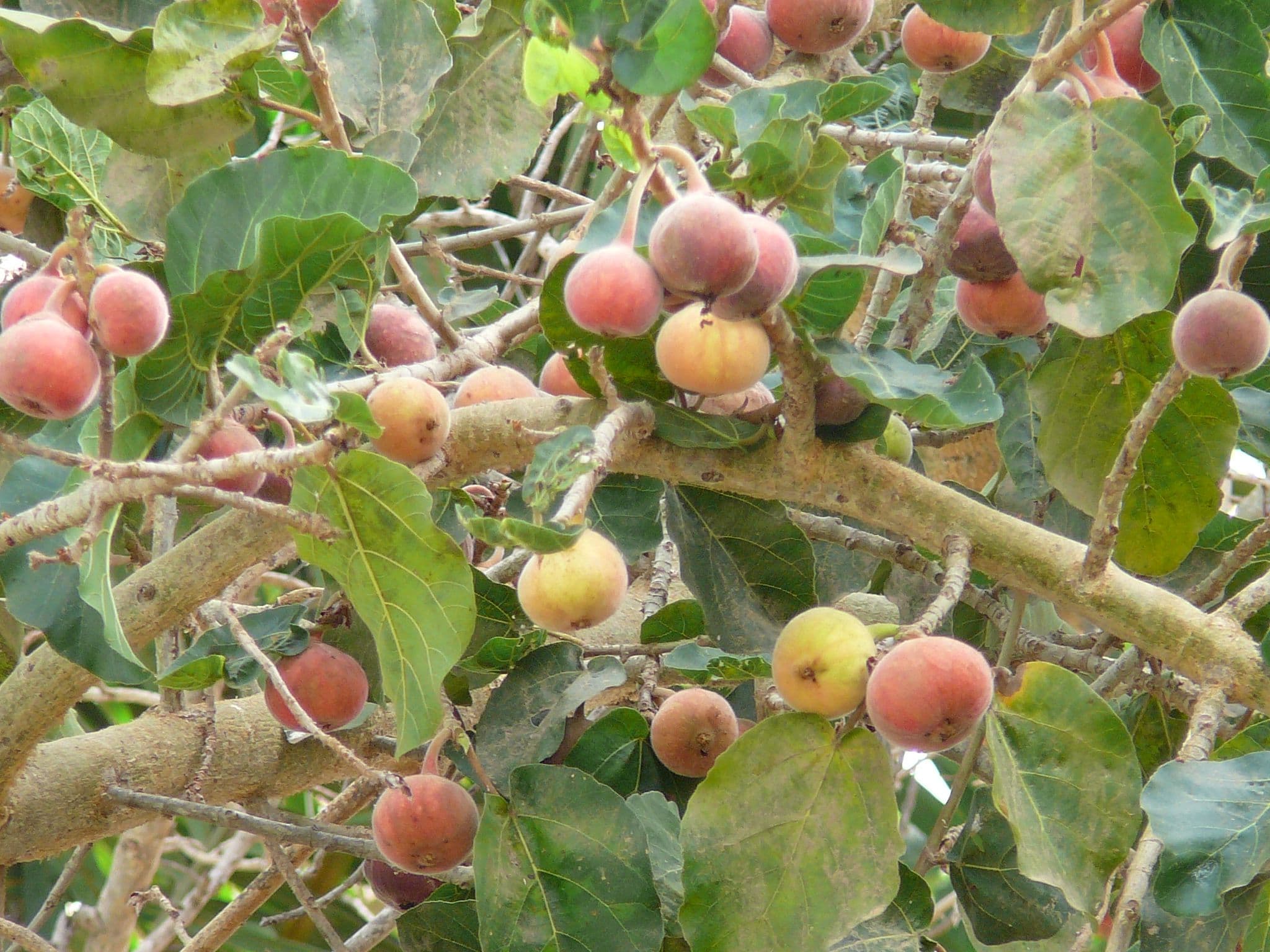


The Sycamore Fig is a large, evergreen tree that can grow up to 20m tall. It produces distinctive yellowish-green figs and has a unique growth habit.
Summary
The Sycamore Fig, scientifically known as Ficus sycomorus, is a fig species that is native to the middle east and parts of Africa. The tree has been naturalized in other regions including parts of southern and eastern Asia. It is one of the oldest cultivated plants and has been utilized by humans for its many benefits since ancient times.
The tree is known for its large size, often growing up to 20 meters in height, with a wide canopy that provides ample shade. The trunk is short and thick, and the bark is usually gray or brown. The leaves are heart-shaped and have a rough texture, and they are dark green in color. The fruit, which is the fig, is small and round and turns purple when ripe. The Sycamore Fig is a deciduous tree, meaning that it sheds its leaves annually.
The Sycamore Fig is a keystone species in its native habitats, meaning it plays a critical role in maintaining the structure of the ecosystem. Its fruits are a significant food source for a wide variety of animals, from birds to mammals. More than 40 bird species feed on its fruits, and the tree also provides shelter and nesting sites for various bird species. Mammals such as baboons, monkeys, and elephants also feed on the fruits, leaves, and bark of the tree.
Aside from its ecological importance, the Sycamore Fig has been used by humans for various purposes. The fruit is edible and can be eaten fresh or dried. It is also used to make jam, jelly, and other food products. The wood of the tree is used for making furniture, tools, and other items. The bark is used in traditional medicine for treating various ailments. In ancient Egypt, the tree was considered sacred and was often depicted in art and hieroglyphics.
The cultivation of the Sycamore Fig is relatively easy. The tree is tolerant of various soil types and can grow in both full sun and partial shade. It is resistant to drought and can survive in areas with low rainfall. However, it requires a warm climate and cannot tolerate frost. The tree can be propagated from seeds, cuttings, or air layering.
Despite its many benefits, the Sycamore Fig is facing threats in some of its native habitats. Habitat loss due to deforestation is one of the main threats to the tree. Additionally, the tree is susceptible to various pests and diseases, which can affect its growth and productivity. Efforts are being made to conserve and protect the Sycamore Fig and its habitats.
The Sycamore Fig has a long history of cultural significance in various societies. In the Bible, the tree is mentioned in several passages, and it is often associated with prosperity and abundance. In ancient Egypt, the tree was associated with the goddess Hathor, who was believed to protect the dead. The tree was often planted near temples and tombs, and its wood was used to make coffins.
Today, the Sycamore Fig continues to be valued for its many uses and its ecological importance. It is planted in parks and gardens for its shade and ornamental value. Its fruits are harvested for consumption and for making various food products. Its wood is used in carpentry and woodworking, and its bark is used in traditional medicine. Despite the threats it faces, the Sycamore Fig remains a vital part of many ecosystems and cultures.
In conclusion, the Sycamore Fig is a remarkable tree that offers numerous benefits to both wildlife and humans. Its ecological importance, combined with its various uses, make it a valuable species worth conserving and protecting. As we continue to learn more about this fascinating tree, we can better appreciate its contributions to our world and work towards ensuring its survival for future generations.
Human Use and Interaction
The Sycamore Fig, scientifically known as Ficus sycomorus, is a tree species native to the Middle East and parts of Africa. It has had a profound influence on human cultures and societies throughout history due to its multifaceted uses and symbolic significance. The sycamore fig tree is an essential part of the ecosystem it inhabits, but it has also played an integral role in human societies, serving as a source of food, medicine, and materials for various crafts.
The most apparent human use of the sycamore fig tree is as a source of food. The tree produces an abundance of figs, which are edible and highly nutritious. The figs are sweet and can be eaten fresh, dried, or prepared in various recipes. They are a great source of dietary fiber, vitamins, and minerals. In many African cultures, the figs from the sycamore tree are a staple food source and are often used in traditional cooking.
Beyond its culinary uses, the sycamore fig tree has been used for medicinal purposes. The latex of the tree, for instance, has been used to treat skin diseases and other ailments. In traditional African medicine, various parts of the tree - including the bark, leaves, and roots - are used in the treatment of a wide range of conditions like ringworm, respiratory problems, and digestive disorders. It is also thought to have wound healing properties and has been used as a natural remedy for cuts and bruises.
The wood of the sycamore fig tree is soft and easy to work with, making it a popular choice for woodworking and carving. Its wood has been used for making tools, utensils, and even musical instruments. Additionally, the bark of the tree has been used in the making of traditional crafts, including baskets and clothing. The tree's large size and wide-spreading branches also make it suitable for use as shade and shelter, providing a natural canopy in hot climates.
On a symbolic level, the sycamore fig tree has held deep cultural and religious significance in various societies. In ancient Egyptian mythology, the sycamore tree was associated with the goddess Hathor, who was believed to greet the dead in the underworld and offer them nourishment from the tree. The tree also features in the Bible, where Zacchaeus the tax collector climbed a sycamore fig tree to get a better view of Jesus as he passed through Jericho. In both cases, the tree is symbolic of life, nourishment, and spiritual insight.
The sycamore fig tree also holds an economic significance. In many parts of Africa, the tree is cultivated for its fruit, which is sold in local markets. The tree's timber is also a valuable resource, used in construction and for making furniture. Its large leaves can be used as natural packaging materials, while the latex has applications in the manufacturing of adhesives and rubber products.
Despite its many uses, the sycamore fig tree faces threats from deforestation and habitat loss. Conservation efforts are being made to preserve this species and the vital role it plays in the ecosystem and human societies. The tree's resilience and ability to thrive in a variety of conditions make it a symbol of endurance and hope for the future.
Overall, the sycamore fig tree demonstrates the intricate relationship between humans and nature. Its uses span from the practical to the symbolic, highlighting the diverse ways in which humans interact with their environment. The tree's continued relevance in modern societies speaks to its enduring value and serves as a reminder of the importance of preserving the world's biodiversity.
Cultural and Symbolic Significance
The Sycamore Fig, scientifically known as Ficus sycomorus, is a tree that holds significant cultural and symbolic importance across various societies and religions globally. This tree, native to Africa, the Middle East, and the Indian subcontinent, is revered for its extensive size, remarkable lifespan, and its fruit's sweet taste.
In the ancient Egyptian civilization, the Sycamore Fig was considered sacred. Throughout their art, literature, and religious texts, the tree was often depicted as a symbol of life and fertility. The Egyptians believed that the Sycamore Fig was a manifestation of the goddess Hathor, the deity of love, joy, and motherhood. She was often represented as a woman emerging from the trunk of a Sycamore tree, offering the deceased food and water in the afterlife. This association made the tree a common feature in burial sites and the tombs of high-ranking officials and pharaohs, symbolizing the promise of eternal life.
The Sycamore Fig also finds mention in the Bible, both in the Old and New Testaments. According to the Book of Amos, it was a symbol of prosperity and abundance. In the New Testament, Zacchaeus, a tax collector, climbed a Sycamore Fig tree to have a better view of Jesus as he passed through Jericho. This story is often interpreted as a metaphor for overcoming obstacles to achieve spiritual enlightenment.
In the African cultures, particularly among the Bantu people of Southern Africa, the Sycamore Fig is revered for its medicinal properties. The bark, leaves, and roots are used in traditional medicine to treat various ailments like respiratory problems, digestive issues, and wounds. The tree is also seen as a symbol of power and resistance. The Mau Mau freedom fighters in Kenya, for instance, used the tree as a secret post office during their rebellion against colonial rule.
Moreover, the Sycamore Fig tree is of great ecological importance. It is known as a 'keystone species' because it supports a wide range of wildlife, including birds, monkeys, and insects, with its fruits, leaves, and bark. It is also believed to have a positive impact on its surroundings by improving soil fertility and preventing soil erosion.
However, despite its cultural and ecological significance, the Sycamore Fig tree is under threat due to deforestation and urbanization. This has led to a decline in its numbers, affecting not just the tree itself but also the various species that depend on it for survival.
In conclusion, the Sycamore Fig tree is much more than just a tree. It is a symbol of life, prosperity, and resilience, deeply embedded in the cultural fabric of many societies. Its role in history, religion, and ecology highlights the importance of preserving such species for future generations. Recognizing and respecting the cultural and symbolic significance of the Sycamore Fig tree is a crucial step towards a more sustainable and harmonious relationship with nature.
The Sycamore Fig tree is a prime example of how nature and culture are intertwined. It serves as a reminder that every species, no matter how insignificant it may seem, has a role to play in the grand scheme of life. As we continue to learn more about these fascinating trees, we can only hope to uncover more about their secrets and the lessons they hold for humanity.
Aesthetic and Experiential
The Sycamore Fig, scientifically known as Ficus sycomorus, is a tree that commands attention and admiration. Its aesthetic appeal is undeniable, and its experiential aspects are equally captivating. Known for its expansive canopy and textured bark, the Sycamore Fig adds an element of intrigue and beauty to any landscape it graces.
From an aesthetic standpoint, the Sycamore Fig is a visual feast. Its large, heart-shaped leaves, which range in color from a deep, glossy green to a lighter, almost yellowish-green, provide a stark contrast to the rough, greyish-brown bark of the trunk. Meanwhile, the fruit of the tree, small figs that range in color from green to purple, add a pop of color that only enhances the overall visual appeal of the tree.
The tree’s bark, riddled with knots and gnarls, gives the Sycamore Fig a rugged, ancient look. This characteristic alone can make the tree a focal point in a garden or park. The bark is also a canvas for nature’s art – lichens, moss, and small creatures often find a home in its crevices, adding to the tree’s aesthetic charm.
The Sycamore Fig’s expansive canopy is another notable aesthetic feature. The canopy spreads wide, offering generous shade beneath it. This creates a sort of natural shelter, a place where one can escape the harsh rays of the sun and enjoy the cool, dappled light filtering through the leaves. On breezy days, the rustle of the leaves creates a soothing, ambient sound, adding another dimension to the aesthetic experience.
The aesthetic appeal of the Sycamore Fig is not limited to daytime. At night, the tree can take on an ethereal quality. Bathed in moonlight, the tree’s leaves shimmer and its bark seems to glow. This nocturnal charm only enhances the tree’s aesthetic value.
From an experiential perspective, the Sycamore Fig holds a wealth of delights. The tree, with its sturdy trunk and strong branches, invites exploration. Children often find the tree an irresistible challenge, climbing its branches to get a bird’s eye view of the surroundings.
For nature lovers, the Sycamore Fig is a treasure trove. The tree is known to host a variety of insects, birds, and animals. In fact, in its native Africa, the tree is often referred to as the ‘Tree of Life’ because of the ecosystem it supports. Observing the life that thrives in and around the tree can be a fulfilling, enlightening experience.
The fruit of the Sycamore Fig is another experiential aspect worth mentioning. These figs, when ripe, are sweet and edible. Picking the fruit straight from the tree and tasting its sweetness is an experience that engages the senses and connects one to nature in a profound way.
The Sycamore Fig also holds cultural and historical significance. In ancient Egypt, the tree was considered sacred. It was often depicted in hieroglyphics and its wood was used to make sarcophagi. This historical connection adds a layer of intrigue to the experiential aspect of the tree.
In conclusion, the Sycamore Fig is a tree that offers an extraordinary blend of aesthetic appeal and experiential delights. Its visual charm, coupled with the multitude of experiences it offers, makes it an enchanting aspect of nature’s bounty. Whether you are a nature lover, a history enthusiast, or simply someone who appreciates beauty, the Sycamore Fig has something to offer.
References
Share with friends
The Sycamore Fig is a large, evergreen tree that can grow up to 20m tall. It produces distinctive yellowish-green figs and has a unique growth habit.
Common Name
Sycamore Fig
Scientific Name
Ficus sycomorus
Family
Moraceae
Native Region / Habitat
Africa and Middle East
Tree Type
Evergreen
Lifespan / Age Range
Over 150 years
Growth Habit
Fast growing, with dense canopy
Leaves / Foliage Description
Heart-shaped, glossy green leaves
Trunk
Grey-brown, thick and sturdy
Fruit / Flowering Characteristics
Yellowish-green figs
Ecological Role
Provides food and habitat for various birds and mammals
Related Trees of The World


About
Where Wisdom Meets AI Utopia Edutainment
Wisdomia.ai is a 3D AI edutainment platform that seamlessly blends learning with immersive play. As the first AI-powered 3D Web 3.0 marketplace created by creators for creators. Founded by renowned serial entrepreneur and author Dinis Guarda, Wisdomia empowers individuals to flourish in an ecosystem designed for collective wisdom EQ. Join us in shaping humanity's future as we harness the power of AI to visualise and create a better world—where technology serves human potential, and innovation is guided by utopian wisdom.
Contact us
Produced by

